

























Minnesota Push to Ban Bitcoin Atm Machines Puts Seniors and Small Towns at Center of a Broader Scam Fight

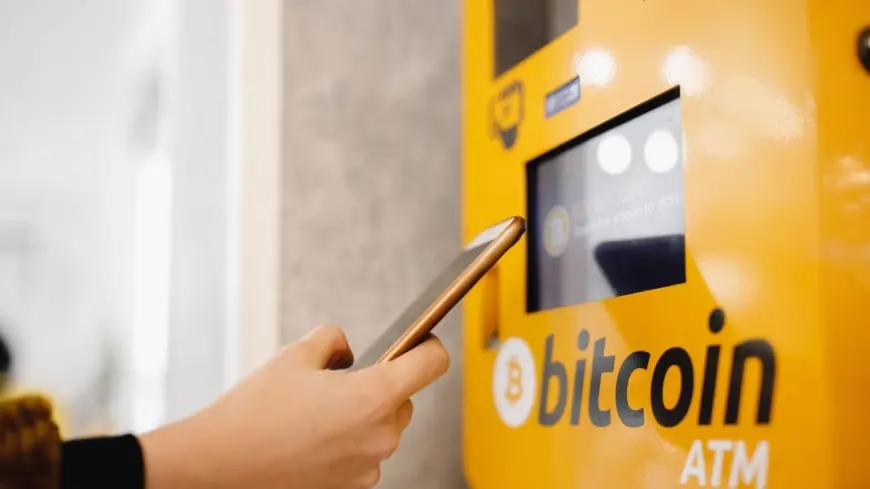
Why this matters now: vulnerable Minnesotans — especially older adults and people on fixed incomes — are already paying the price of crypto kiosk scams, and lawmakers are pressing for a ban that would immediately remove a visible vector for fraud. The proposed ban has reignited questions about whether regulatory limits enacted in 2024 were sufficient, and who will feel the impact first if kiosks disappear from convenience stores and gas stations. The debate centers on tangible losses and a patchwork of evolving state responses to bitcoin atm crime.
Who faces the biggest impact from a Bitcoin Atm ban
Street-level victims are front and center: police described cases where older Minnesotans and people on fixed incomes were coached into repeatedly using machines, surrendering savings and monthly earnings. One victim was said to have completed at least 10 Bitcoin transactions in six months and to have given roughly half her monthly income to scammers over that period, prompting involvement from adult protective services. Law enforcement and commerce officials argue those direct harms are the immediate effect a ban is trying to prevent; kiosk operators and some lawmakers worry about removing a legal service used by others.
What the measure would change and key committee action
House File 3642, sponsored by Rep. Erin Koegel, reached the House Commerce Finance and Policy Committee on Thursday and, as amended, would prohibit operation of physical virtual currency kiosks that accept cash or debit cards for instant cryptocurrency purchases and would repeal the regulatory framework enacted in 2024. That earlier framework required operators to post warnings that cryptocurrency is not legal tender and that transactions are irreversible, set a $2, 000 daily limit for new customers who had held accounts for less than 72 hours, and allowed refunds when fraud victims contacted the company and law enforcement within 14 days. The commerce committee laid the bill over for future consideration while members from both parties work on language they hope can pass by the end of the session. Banning cryptocurrency kiosks 2/26/26
How police and local officials framed the problem
Department of Commerce lawmakers that scammers routinely coach victims to use existing accounts or machines in neighboring states such as Wisconsin to bypass the 2024 protections. The department recorded 70 complaints in the past year totaling $540, 000 in losses and cautioned that the vast majority of incidents go unreported. Faribault Police Chief John Sherwin wrote that Faribault residents have reported more than $500, 000 in kiosk-related losses since 2022 and that those reports likely represent only about 25% of incidents in the city, a gap that local leaders estimated could equal roughly $2 million in unreturned community spending.
Operator pushback and what companies say they’re doing
Industry representatives acknowledged the fraud issue but opposed a ban. One operator’s lawyer said kiosks are not the sole avenue for scams and argued it would be inappropriate to ban a legal product because fraud occurs. That operator is identified as running dozens of local kiosks: an estimate in committee testimony put the number of licensed machines in the state at roughly 350, under eight to ten companies, while one firm was noted as operating about 50 kiosks in Minnesota.
National cases that shaped the conversation
Similar patterns have surfaced in other states: an attorney general sued a kiosk operator, alleging more than $10 million in statewide losses and internal company data that showed 13–16% of transactions were scam-related in early 2023 and that scam-linked money volume rose to over 50% through certain machines between August 2023 and January 2025. A 2021 internal review flagged that 90% of customers handled by one due-diligence team were likely scam victims. The company disputed the allegations, said it has cooperated with law enforcement, and now requires identity verification on every transaction. Elsewhere, a nearly $2 million settlement required removal of kiosks in one state, Kansas regulators opened an inquiry after a Centerville farm couple lost $20, 000 when a caller posing as technical support directed cash deposits into a machine in Johnson County, and a state legislature advanced a bill to license operators, set transaction limits and mandate fraud protocols after residents reported $7. 6 million in losses; an advocacy group noted people 60 and older accounted for more than 85% of reported national losses in 2024.
Next steps, uncertainties and signals to watch
Here’s the part that matters: the committee is negotiating language and has paused final action, leaving the state in a holding pattern where kiosks remain operational while pressure for stricter measures builds. The real question now is whether lawmakers will adopt an outright ban, strengthen controls and enforcement, or pursue narrower fixes that preserve kiosks but tighten operator obligations. Timelines are tied to session deadlines and compromise talks in committee.
What’s easy to miss is that some source details in coverage are incomplete: one fragment reads "FBI figures show nearl" and another reads "Once at a kiosk, which can be found in gas stations and gro" — unclear in the provided context. These gaps underline that some national data and full descriptions of kiosk locations remain incomplete in the material available to the committee.
Editorial aside: the committee’s move to weigh repeal of the 2024 framework against a full ban reflects a familiar legislative pattern—urgency driven by visible harms while regulators and industry haggle over technical fixes.