
























Is Dubai Safe? Starmer cautious after Trump call as RAF jets fly defensive missions

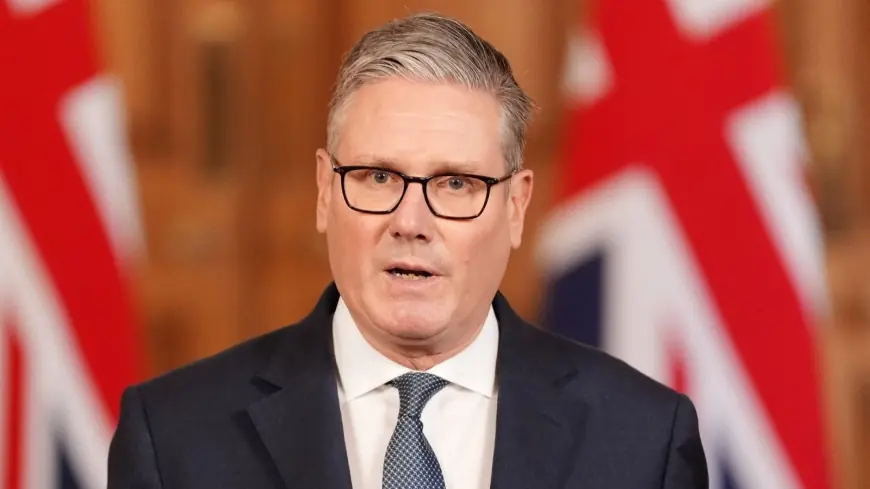
is dubai safe has been a question raised amid a brief phone call from US President Donald Trump to Prime Minister Sir Keir Starmer and heightened British defensive operations in the Middle East. The UK says it did not take part in the US and Israeli strikes on Iran but has moved jets and issued travel warnings to protect nationals in the region.
Trump called Starmer after White House-instigated contact
The phone call between Donald Trump and Sir Keir Starmer was brief and was instigated by the White House. Downing Street's readout said only: "They discussed the situation in the Middle East. " The public account stopped short of endorsement of the US and Israeli strikes; Britain, alongside France and Germany, was neither involved in nor had endorsed those actions.
RAF jets 'in the sky today' on defensive operations
Starmer said RAF fighter jets were "in the sky today" to defend allies from Iranian retaliation. The UK did not participate in the first waves of strikes and has no immediate intention of doing so, but fighter jets were running defensive operations from Qatar and Cyprus to shoot down incoming drones and missiles. British forces were present at regional bases in small numbers.
Is Dubai Safe — airports closed and thousands stranded
Thousands were stranded after Iranian strikes forced airports to close, including Dubai and Doha. The Foreign Office advised against all travel to Israel and Palestine and warned British nationals in Bahrain, Kuwait, Qatar and the United Arab Emirates to shelter in place after reports of missile attacks. The Foreign Office has set up its "Register Your Presence" system for Britons in many Middle Eastern countries so the government knows where its citizens are and can keep in touch.
Starmer condemns Iran but stops short of backing strikes
Sir Keir repeated his long-standing condemnation of Iran and, in particular, its retaliatory actions this weekend against Israel and several Gulf nations which host US military bases. In a televised statement he called the Iranian regime "utterly abhorrent, " said it had "murdered thousands of [its] own people, brutally crushed dissent and sought to destabilize the region, " and described it as posing "a direct threat" to the UK. He urged the Iranians to "give up their weapons programmes and cease the appalling violence and repression, " while stopping short of echoing the President's desire for regime change.
Domestic politics and military prudence collide
The domestic political reaction has divided roughly along right and left lines. The Conservatives and Reform UK accused the prime minister of sitting on the fence and failing to offer adequate support to America, for example by not making British bases available to the US air force. The Liberal Democrats and the Scottish National Party have expressed scepticism about the US strikes. Starmer, mindful of a Labour party still haunted by the Iraq war, has been careful to stress that British defensive activity is "in line with international law" and that the UK was not involved in the American/Israeli attacks.
Deployments, denials and the wider campaign
The UK has recently bolstered deployments: last month RAF Typhoons were sent to Qatar to protect al-Udeid airbase and other allied facilities, and an extra six F-35s plus additional air defence, radar and counterdrone systems were deployed to RAF Akrotiri in Cyprus, from where they could be used to defend Israel, Jordan or other countries. It is understood British airbases were not used by the US air force in the attacks; Starmer rejected a request from Donald Trump to use RAF bases in Diego Garcia and Fairford earlier this month. The US and Israel have started a wide-ranging campaign aimed at regime change in Iran and at bombing its nuclear and missile sites; Britain has said only that it does not want Tehran to have a nuclear weapon.
Iran launched an immediate counterattack that included strikes on Israel and Jordan and on US bases in Bahrain, Qatar, the United Arab Emirates and Kuwait. Details of the UK's defensive operations were scant and the Ministry of Defence would not specify which countries and bases were being defended, though the government said it stands ready to protect its interests and does not want to see further escalation into a wider regional conflict.
Concern for nationals and economic knock-on effects
Officials expressed clear concern for many British people in the Middle East and the many more travelling through the region's major hub airports. There is also a worry about the economic impact of any blockages to the Strait of Hormuz and what that could mean for inflation, interest rates and the cost of fuel. A government spokesperson said the immediate priority is the safety of UK nationals and that consular assistance is available 24/7.
The prime minister chaired a meeting of the government's emergency Cobra committee earlier on Saturday and has been in contact with allies. The government has set up the Register Your Presence system for Britons in the region and says it will continue to provide consular assistance around the clock as events unfold.