
























Black History Month’s 100th Anniversary Faces Familiar Attacks on Knowledge

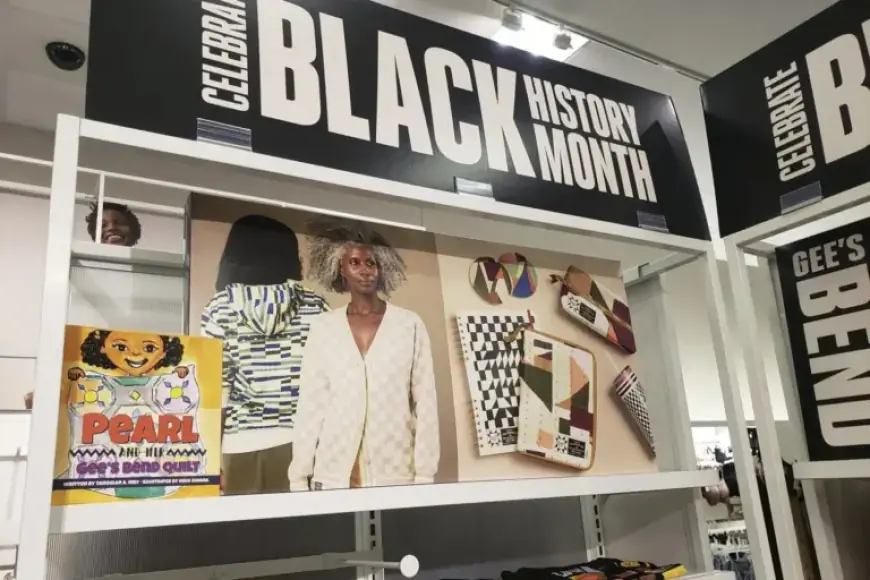
This year commemorates the 100th anniversary of Negro History Week, which was established in 1926. Over time, this observance evolved into Black History Month, officially recognized in 1976. Celebrations continue throughout February, emphasizing the rich contributions of Black individuals and communities in the United States.
Reflections on Black History Month’s History
Phillip Warfield, a PhD candidate in U.S. history and church historian, highlights that this milestone presents an opportunity to reflect on the evolution of Black history observances. The foundation of Negro History Week was rooted in addressing erased narratives, allowing the celebration of daily contributions by Black people to U.S. history. Warfield notes a shift over the past century from an emphasis on prominent figures to honoring everyday individuals.
The Pioneers of the Movement
- Dr. Carter G. Woodson: Creator of Negro History Week.
- Black Women Leaders: Key to expanding the movement, especially Black female educators and club women.
- Mary McLeod Bethune: A notable leader who promoted Black education and history.
- Nannie Helen Burroughs: An educator in D.C. who founded the National Training School for Girls and advocated for Black history instruction.
Warfield credits these historical figures for their instrumental roles in broadening the teaching of Black history beyond the confines of traditional classrooms. Informal education in churches and community centers became crucial during this time.
Contemporary Challenges to Historical Narrative
In recent years, discussions about how the nation remembers its history have intensified. In 2025 and 2026, federal measures affected historical interpretations and endangered significant monuments. A Justice Department opinion in 2025 permitted presidential actions to alter or eliminate national monuments. This decision put sites like the Emmett Till and Mamie Till-Mobley National Monument at risk.
Additionally, actions taken during the Trump administration reviewed historical presentations at National Park Service sites. By 2026, numerous exhibits addressing topics such as slavery and LGBTQ history faced removal, reflecting an ongoing challenge in preserving diverse narratives.
A Continuation of the Struggle
Warfield asserts that these current challenges are part of a historical pattern of resistance against efforts to reclaim Black history. He emphasizes the importance of contextualizing monuments and understanding their significance. Knowledge, he argues, cannot be erased, regardless of political attempts to alter historical narratives.
Looking Ahead
Reflecting on Woodson’s vision, Warfield believes that today’s observance of Black history continues his legacy. He encourages those feeling disheartened by ongoing attacks on Black history to remain steadfast. “If you notice something missing in our historical record, take the initiative to fill that gap,” he advises.
As February unfolds, Filmogaz.com continues to honor Black History Month and highlights the enduring importance of understanding and teaching Black history in all aspects of society.