

























Opinion: Unveiling Trump’s Strategic Flaw in Iran’s Combat Operations

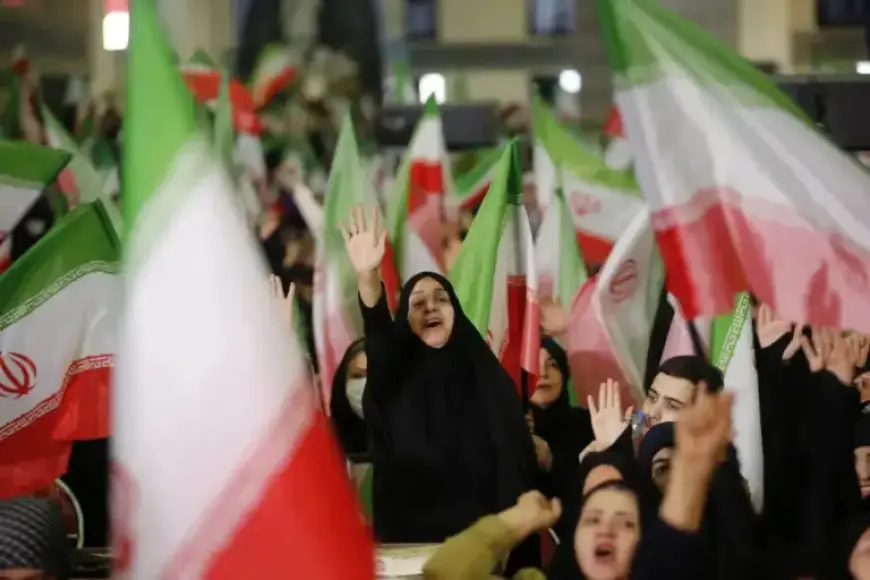
The recent escalation in U.S. military action in Iran under President Donald Trump raises significant concerns about strategy and long-term goals. The current military operations, labeled as “major combat operations,” reflect a departure from previous multi-national intervention efforts, placing the focus squarely on unilateral U.S. action.
Analyzing Trump’s Strategy in Iran
Trump’s approach contrasts sharply with the previous Coalition of the Willing and NATO’s interventions in Iraq and Afghanistan. Whereas those campaigns engaged international allies and sought public backing, Trump’s actions appear erratic and lack a coherent strategy.
His declarations of having a “concept of a plan” and being “locked and loaded” do not provide a clear path for success. The absence of a detailed strategy raises the question: how does this lead to regime change or prevent the U.S. from becoming embroiled in further conflicts?
Recent Military Threats and Actions
- In January 2023, Trump hinted at military actions in response to Iranian protests.
- Despite such threats, the Iranian regime continues to suppress dissent violently.
- Trump claimed that targeted strikes could yield concessions in nuclear negotiations.
However, the American public has not received a clear rationale for these military maneuvers. The complexity of forcing regime change is evident; a singular military strike cannot achieve such a multifaceted goal.
Past Military Operations and Their Consequences
The 2023 strikes on Iran’s Fordow nuclear facility serve as a pertinent example. Although Trump asserted that these actions crippled Iran’s nuclear capabilities, international inspectors have not been granted access to confirm these claims. Hence, skepticism about the efficacy of these operations remains high.
Public Sentiment in Iran
The Iranian people have shown a strong desire for change. Recent protests reflect widespread dissatisfaction with the government:
- The 2022 uprising, led by women, aimed at securing basic freedoms.
- Ongoing protests highlight issues of corruption and economic stability.
These movements underscore the resistance against a regime unwilling to modernize or respond to its citizens’ needs.
Regime Change Cautionary Tales
Trump’s public statements about regime change evoke historical cautionary tales. The emergence of ISIS following the Iraq War and the return of Taliban governance in Afghanistan serve as reminders of the potential consequences of military intervention. These events occurred even with significant international and domestic support at the time.
As the situation evolves, questions surrounding Trump’s strategic decisions in Iran continue to loom large. Without a clearly articulated plan and understanding of the broader implications, the U.S. may risk repeating past mistakes on the global stage.
This analysis highlights the complexities of U.S. involvement in Iran’s internal matters and emphasizes the need for a well-thought-out approach in order to foster lasting change.