

























Rockets Vs Heat: Coverage Glitch and Betting-Platform Structure Raise Risk Questions Before Feb. 28, 2026 Odds

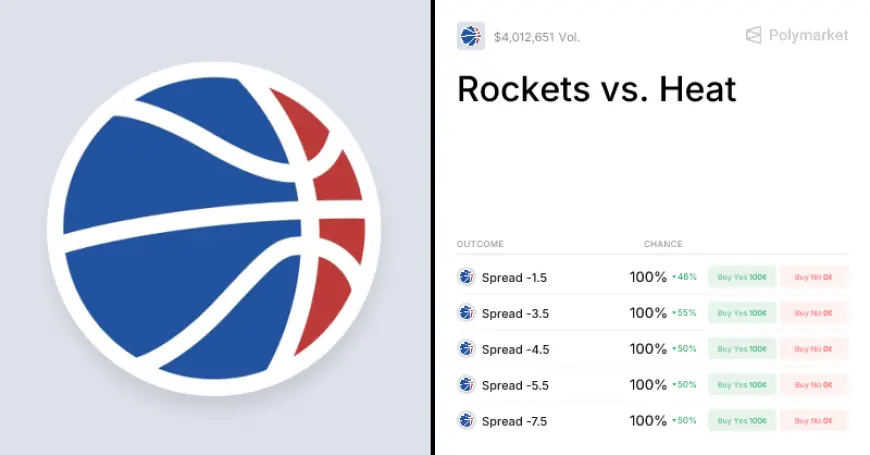
The short version: rockets vs heat coverage is showing two parallel risk signals — a visible service error and a more structural regulatory split inside a betting platform’s corporate setup — that complicate how bettors and readers should treat odds for Feb. 28, 2026. If you’re following market lines or trying to catch a late value swing, the combination of technical disruption and a fragmented legal footprint raises uncertainty about data continuity and trade protections.
Risk framing: what the interruption and legal setup mean for users
Here’s the part that matters: a page-level failure flagged as "429 Too Many Requests" interrupts normal access to coverage, while the trading venue tied to the Heat vs. Rockets odds for Feb. 28, 2026 operates through separate legal entities across jurisdictions. That pairing increases short-term operational risk (missing or delayed price feeds) and longer-term regulatory ambiguity (different rules for U. S. versus international activity). The real question now is how those strains will affect order execution and informational reliability when markets are active.
Rockets Vs Heat — coverage and schedule note
Headline-level items in recent coverage reference the matchup and a dedicated odds page titled "Heat vs. Rockets Odds & Predictions (Feb. 28, 2026). " Simultaneously, an access error labeled "429 Too Many Requests" has appeared on coverage pages, interrupting normal retrieval of game material and potentially the odds snapshot used by readers and traders. Timing for the game is embedded in that headline date, Feb. 28, 2026, but specific start-time details are unclear in the provided context.
Trading platform legal structure and risk language
The trading platform connected with the Feb. 28, 2026 odds operates globally through separate legal entities. Its U. S. arm is run by QCX LLC d/b/a the U. S. trading arm and functions as a CFTC-regulated Designated Contract Market. The platform’s international operations are not regulated by the CFTC and operate independently. Trading on the platform carries the standard caution that it involves substantial risk of loss. The platform’s user-facing legal pages direct readers to their Terms of Service & Privacy Policy for further details.
Key takeaways and near-term signals
- Service interruption: "429 Too Many Requests" indicates throttling or an access overload that can temporarily block odds visibility.
- Dual-regime operations: the U. S. entity is CFTC-regulated as a Designated Contract Market, while the international arm remains outside CFTC jurisdiction.
- Risk posture: trading is explicitly framed as involving substantial risk of loss, underscoring caution for active bettors around the Feb. 28, 2026 market.
- Data reliability check: persistent access errors or discrepancies between U. S. and international feeds would be a signal to pause automated or large-stake activity.
It’s easy to overlook, but the combination of a technical access problem and a divided regulatory footprint tends to compound user exposure: a failed page can hide last-minute disclaimers or changes, and differing oversight regimes can affect dispute remedies.
Practical steps for followers of rockets vs heat and market participants
If you track the rockets vs heat market for Feb. 28, 2026, consider verifying odds from multiple independent feeds when available and review the trading venue’s Terms of Service & Privacy Policy before executing sizeable wagers. Expect intermittent access disruption while the "429 Too Many Requests" state exists and treat rapid line moves with extra caution until feed integrity is confirmed.
Micro timeline: Feb. 28, 2026 appears in the odds headline for the matchup; concurrently, a coverage access error reads "429 Too Many Requests"; platform legal notes state the U. S. arm is CFTC-regulated while international operations are independent. Future confirmation of feed stability and clarifications from the platform’s legal pages would reduce current uncertainty.
Writer’s aside: The bigger signal here is not the headline alone but the overlap of disruption and regulatory complexity — that combination often creates the most practical headaches for readers and traders.