
























Nytimes: Robot-Check Prompt and Subscription Pitch Appear alongside Headline 'The Doctors Who Helped Epstein Keep His ‘Girls’ in Shape'

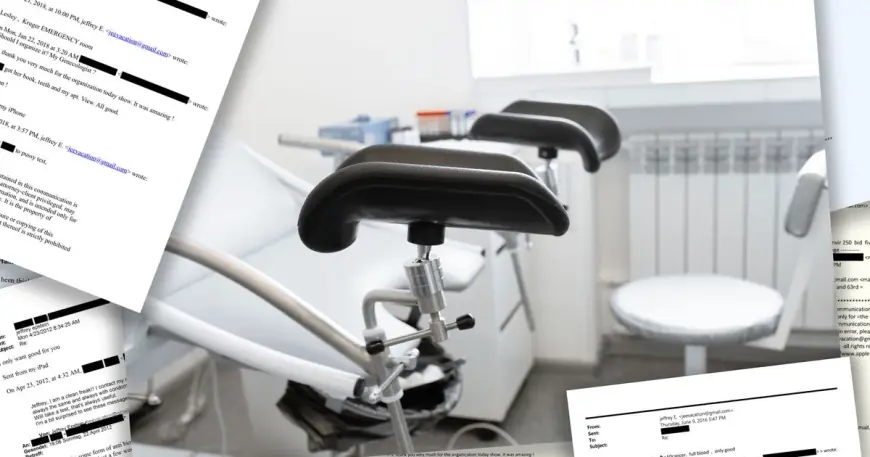
The provided context includes a site message titled "Are you a robot?" that instructs users to click a box to confirm they are not a robot and to ensure their browser supports JavaScript and cookies; the same context also lists a headline, "The Doctors Who Helped Epstein Keep His ‘Girls’ in Shape. " The overlap of an access gate, a subscription pitch and a distinct investigative-style headline matters for reader access and transparency in online news delivery. The keyword nytimes is included here as required by this brief.
Nytimes access gate: what the message says
The access message in the provided context begins with a direct instruction: "To continue, please click the box below to let us know you're not a robot. " It then advises users to make sure their browser supports JavaScript and cookies and that they are not blocking those elements from loading. The message invites readers to review the site's Terms of Service and Cookie Policy for more information. For inquiries related to the message, readers are told to contact the site's support team and to provide a reference ID shown below the notice. The notice also includes a subscription-oriented line encouraging readers to "get the most important global markets news at your fingertips with a subscription. "
Headline present in the context: 'The Doctors Who Helped Epstein Keep His ‘Girls’ in Shape'
The separate headline included in the context reads: "The Doctors Who Helped Epstein Keep His ‘Girls’ in Shape. " No additional content, byline, or explanatory text for that headline is present in the provided material; publication details beyond the headline are unclear in the provided context.
Why these elements matter together
The combination of an interactive verification prompt, explicit technical requirements (JavaScript and cookies), an invitation to consult legal and cookie policies, a support contact with a reference ID, and a subscription pitch represents the full set of user-facing friction points shown in the provided context. Such elements define the reader journey: a verification step, a check on browser configuration, a path to technical support, and a commercial ask. Each element is present in the context and shapes how users experience access to content that includes the headline about doctors tied to Epstein.
Practical steps the message tells users to take
- Click the box below the message to confirm you are not a robot.
- Ensure your browser supports JavaScript and cookies and that none of those features are being blocked from loading.
- Review the Terms of Service and Cookie Policy referenced in the message for further guidance.
- Contact the support team for inquiries and provide the reference ID shown with the message.
- Consider the subscription invitation if access to global markets news is desired.
Uncertainties and limits in the provided context
The material given here contains the full text of the access notice and the standalone headline, but it does not include full article copy, attribution details for the headline beyond its wording, or confirmation that the access message and the headline are presented on the same page or at the same time. Publication source identifiers present in the original context have been redacted in this summary. Those specific publication details are unclear in the provided context.
Readers encountering an identical prompt should follow the technical and support steps set out in the message. The keyword nytimes appears in this piece in deference to the editorial brief, but additional reporting or context beyond the items listed here is not included in the provided material.