





















Scream 7 Reviews and Post-Credit Scene Answer: Does Scream 7 Have a Post Credit Scene, and Why the New Sequel Is Splitting Fans

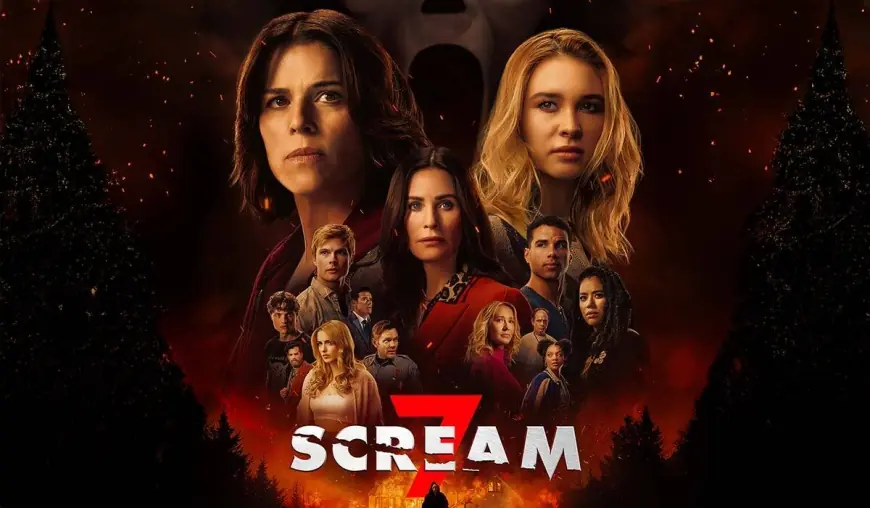
Scream 7 hit theaters on Friday, February 27, 2026, and within hours two questions started outrunning almost everything else: are the Scream 7 reviews actually that bad, and does Scream 7 have a post credit scene worth waiting for. The seventh entry is also reigniting interest in the entire timeline, from Scream 1 through Scream 5, as audiences argue about whether the franchise’s self-aware formula still feels sharp or finally feels exhausted.
Here’s what matters for moviegoers right now, in U.S. Eastern Time: the movie is in wide release, early audience chatter is loud and polarized, and the credits have one extra moment that’s easy to miss if you leave too early.
Does Scream 7 have a post credit scene?
Scream 7 has a mid-credits scene, not a true post-credits scene.
In practical terms, that means there is an extra bit that appears after the credits begin, but there is not an additional scene at the very end of the full credit roll. If you’re deciding whether to stay, the mid-credits moment is designed more like a quick character button and a wink at expectations than a big franchise roadmap. It plays like a meta punchline rather than a clear setup for Scream 8.
Scream 7 reviews: why critics and fans are talking past each other
Early reviews have leaned negative overall, but the reasons vary. Some reactions focus on the movie feeling overly dependent on callbacks, while others argue that the nostalgia is the point and the movie is deliberately critiquing that dependency even as it uses it. This is the central tension of Scream as a concept: it mocks horror rules while also running on them.
A lot of the strongest audience responses come down to what each viewer wants from the franchise in 2026:
-
If you want Scream 1’s lean, nasty whodunit energy, Scream 7 may feel too busy and too self-referential.
-
If you like the later sequels’ soapier ensemble arcs and franchise “lore management,” Scream 7 can feel like a maximalist reward.
-
If you’re here for the joke of Scream itself, the film’s obsession with fandom and legacy culture may land as timely, or as tired, depending on your tolerance for meta commentary.
How Scream 7 connects to Scream 1, Scream 2, Scream 3, and Scream 5
Scream 7’s strategy is to pull the past into the present more aggressively than a typical sequel. That doesn’t just mean references. It’s about taking the franchise’s original question, who gets to control the story, and aiming it at modern fandom behavior: obsession, reenactment, content-making, and the need to turn real trauma into entertainment.
That’s also why comparisons to the Scary Movie parodies are popping up again. Scream helped mainstream self-awareness in horror, and the parody wave that followed trained audiences to expect jokes about the genre inside the genre. In 2026, Scream is competing with its own long shadow: it has to be scary, clever, and also one step ahead of the viewers who have spent decades learning its tricks.
Behind the headline: incentives, stakeholders, and what’s missing
The incentive structure around Scream 7 is almost part of the plot. Horror franchises now live in an era where opening weekend attention can be as valuable as long-term reputation. A divisive movie can still “win” if it dominates conversation, drives group viewing, and becomes a meme engine. Scream, more than most series, benefits from argument.
Stakeholders include returning legacy characters, newer ensemble favorites, and the studio side that has to balance nostalgia with the need to keep the door open for future installments. The fanbase is also a stakeholder here: Scream is unusually responsive to audience discourse, and that feedback loop can shape what gets emphasized next.
What’s missing right now is stable consensus. Opening-weekend reactions are always noisy, and this franchise is especially prone to hot takes because the mystery structure invites instant ranking wars: best Ghostface, best reveal, best final act, worst sequel, and so on.
What happens next: realistic scenarios and triggers
-
Word-of-mouth stabilizes by midweek (March 4–5, 2026) and the conversation shifts from “worst in the series” to “which type of Scream fan are you.”
-
The mid-credits scene becomes a social clip and keeps the film trending, but without materially changing the direction of the story.
-
If a follow-up sequel is greenlit quickly, marketing will likely emphasize a cleaner hook and less homework, responding to complaints about overload.
-
If box office legs are strong, the takeaway will be that controversy is fuel, not damage, for a franchise built on debate.
Why it matters
Scream 7 isn’t just another sequel. It’s a stress test for whether a meta-horror franchise can keep commenting on culture without becoming a rerun of its own commentary. For audiences, the immediate value is simple: a new whodunit slasher with a mid-credits tag. For the franchise, the bigger question is whether the next chapter will chase nostalgia harder, or finally cut away from it.