

























Bbc News: Bahrain strikes expose air‑defence gaps that put US forces and regional partners at immediate risk

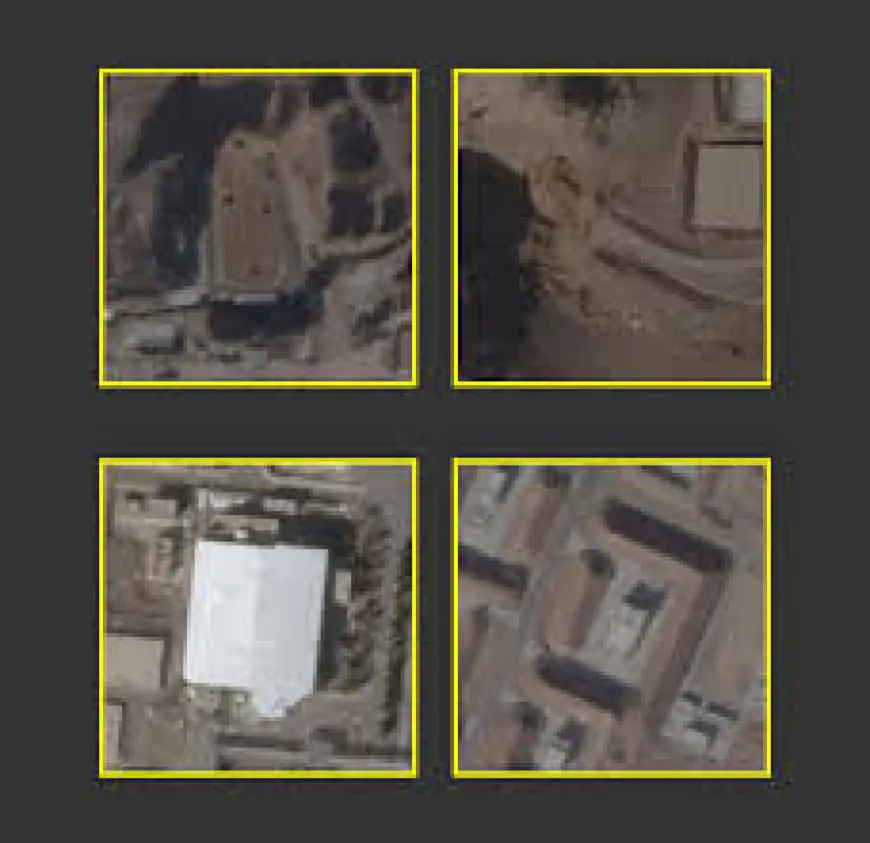
Why this matters now: news coverage of the strikes near the US Fifth Fleet headquarters in Bahrain spotlights which personnel and sites feel the effects first — forward‑deployed US sailors and nearby regional partners — and shows how available air‑defence assets are already stretched thin. That imbalance shapes operational choices and raises the chance that some targets will remain vulnerable.
Immediate impact on people and posture
Videos appear to show missiles and drones striking the vicinity of the US Fifth Fleet headquarters in Bahrain. There are, as yet, no reports of casualties. The US military will likely have had some warning of the attack and taken precautions to evacuate personnel. Tom Sharpe, a former Royal Navy Commander, says Bahrain was likely seen by Iran as a high profile target that has, in the past, had relatively little in the way of air defences.
Event details and the kind of threat recorded
Footage highlights a relatively slow‑moving Iranian Shahed drone breaching local defences near the base. In Ukraine, such drones can often be shot down with a simple high calibre machine‑gun; the imagery suggests that similar low‑cost tactics remain effective where layered defences are absent or incomplete.
News analysis of the regional defensive picture
In recent weeks additional air‑defence systems have been flown to the region, including THAAD and Patriot systems, which can shoot down ballistic missiles, but these systems are expensive and limited in number. For context, Ukraine has fewer than 10 Patriot batteries and still struggles to defend the capital, Kyiv. It remains unlikely the US has sufficient numbers to protect all its military bases and interests in the Middle East.
What military assets are in play and their limits
The US Navy has deployed around a dozen Arleigh Burke‑class Destroyers to the Gulf and the eastern Mediterranean; these air‑defence destroyers can also shoot down drones and ballistic missiles. They have already proven effective in the Red Sea against the Iranian‑backed Houthi rebels in Yemen. Between 2024 and 2026, the US intercepted nearly 400 Houthi drones and missiles. US fighter jets, which have been sent to the region, are also capable of intercepting drones and missiles, and the US now has more than 100 jets in the region. But even these significant capabilities are unlikely to be enough to prevent Iran from successfully striking some targets.
Wider threat inventory linked to current strikes
Before the latest US and Israeli strikes, Iran still probably had an arsenal of around 2, 000 short‑range ballistic missiles and many more one‑way attack drones, creating a large pool of potential delivery systems that can be used across the region.
- Here’s the part that matters: expensive, limited missile‑defence batteries and a finite number of destroyers and jets cannot cover every base or approach simultaneously.
- Evacuation and warning measures likely reduced immediate harm; however, some risks remain where defences are thin.
- Previous success against Houthi raids shows layered defence can work, but the scale of threat from missiles and one‑way drones is significantly larger.
- Confirmation of shifts in deployments or additional defensive assets would be the clearest signal that posture is changing.
The real question now is how leadership balances forward presence with force protection when the volume of threats — missiles and one‑way drones — exceeds coverage. A practical shortfall in numbers is central: high‑end systems like THAAD and Patriot are effective against ballistic threats but are scarce.
During collection of reporting materials, an automated web check interrupted access: a page asked readers to click a box to confirm they are not a robot, to ensure the browser supports JavaScript and cookies and that those features were not blocked. The prompt also suggested reviewing the site’s Terms of Service and Cookie Policy for more information, invited contact with a support team with a reference ID for inquiries, and promoted a subscription for global markets updates. This administrative barrier is noted here because it paused verification of additional visual material.
It’s easy to overlook, but historical and logistical constraints matter: lower‑cost drones that can be defeated by small arms in some theatres still pose a serious threat where defences are sparse. The mix of destroyers, fighters and a handful of land‑based missile defences reduces risk but does not eliminate it, particularly against an actor with thousands of short‑range missiles and many one‑way drones.
Writer's aside: operational trade‑offs have a habit of showing up in footage long before they appear in strategy documents, and the footage from Bahrain makes those trade‑offs plainly visible.