
























Dubai caught in crossfire: Residents, hotels and an airport feel immediate impact as regional strikes spread

Here’s the part that matters: dubai residents, visitors and commercial hubs were among the first to feel the effects when strikes from across the region produced explosions, a hotel fire and damage at a major airport. Verified footage and emergency responses unfolded alongside missile interceptions in nearby states, creating an immediate local disruption to travel, hotels and daily life.
Immediate human and commercial impact on Dubai
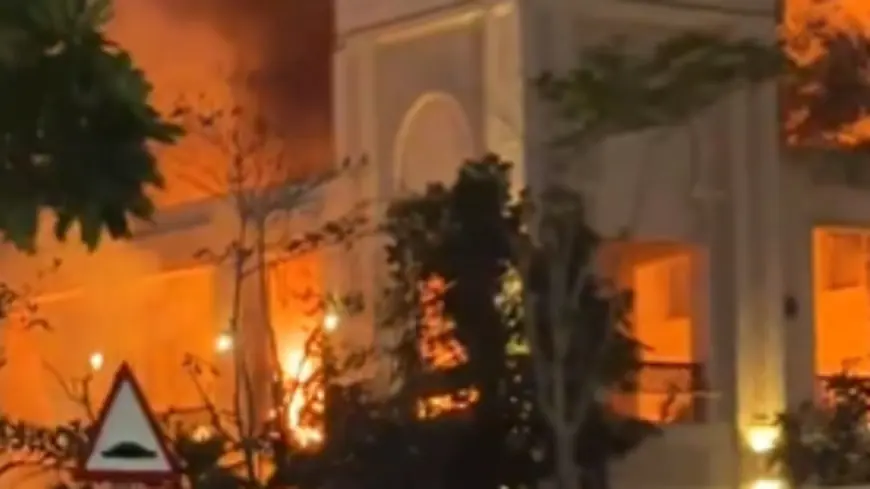
Verified video shows a fire raging outside Fairmont The Palm on the Palm Jumeirah, with thick black smoke rising above the luxury hotel. Emergency services attended the scene and large smoke plumes were recorded from buildings opposite the hotel, where one clip captures the moment of impact and a large orange fireball; the person filming appears to fall to the ground. Local four people were injured in a blaze at a building in the Palm Jumeirah area.
A separate statement from the Dubai Media Office noted an "incident" at Dubai International Airport that wounded four people and left the airport concourse with minor damage. The UAE's airspace is closed as a precautionary measure, and residents were urged to remain calm while authorities worked to contain the fires and assess damage. Around 240, 000 British citizens live in the UAE and have been advised to stay indoors or in a safe place and away from windows.
It’s easy to overlook that multiple verified clips of panic and impact were captured on smartphones across the city; official details about causes and targeting remain incomplete.
What unfolded: verified footage, blasts and local eyewitness accounts
People were filmed running for shelter in Dubai as air raid sirens sounded and, witnesses heard at least three big blasts over the city. A British woman at the Dubai Marina, just off Jumeirah Beach, described hearing a loud bang, seeing a big puff of black smoke and watching a flurry of missiles be intercepted overhead for around five minutes; she said she felt very on edge and had not received an official alert.
Debris reportedly fell from the sky near the Fairmont The Palm entrance and sparked a fire that was later described as under control once emergency teams arrived. Fairmont The Palm is a five-star hotel known for gourmet dining, an award-winning spa and pools with city views; the blaze drew large plumes of smoke visible from surrounding buildings.
Region-wide interceptions, damage reports and casualties
States in the region intercepted missiles and said they were targeted at facilities tied to the American military presence. Qatar's defence ministry intercepted several missiles apparently targeting the al-Udeid air base, identified as the largest American base in the region. Bahrain saw huge plumes of black smoke near the headquarters of the US Navy's Fifth Fleet; the extent of any damage is unclear and the US has not commented. Jordan and Kuwait also reported interceptions.
In Abu Dhabi a series of explosions was heard and authorities said one person was killed by falling debris after the UAE intercepted incoming missiles. The nation's defence ministry affirmed readiness and said measures were being taken to confront threats to security and stability. In Dubai a second wave of missiles was observed over residential areas by local witnesses.
Wider humanitarian and political ripples across the region
Coverage has characterized the situation as an escalation tied to a broader US-Israel attack on Iran; that framing included assertions the attack aimed to topple Iran's regime and warnings that Iran would retaliate. Iranian media stated it had launched an attack on Dubai, though what was being targeted was unclear.
- More aid has been allowed into Gaza since a ceasefire began three months ago, but the UN says the volume remains far short of needs.
- Kurdish-run prisons hold about 8, 000 suspected IS fighters and around 34, 000 of their family members in camps.
- The United Nations Development Programme says over 80% of buildings in the coastal territory are destroyed or damaged.
Political unrest and humanitarian warnings sit alongside the strikes. Protests in Iran have continued for the 13th consecutive night and appear to be the most widespread since the movement began on December 28; video verified by Persian-language services captured protesters chanting anti-government slogans. Observers noted the sounds of heavy machinery in some neighbourhoods, and correspondents spoke to Syrians about how life has changed since past upheavals.
Other human-focused items in recent coverage include hundreds gathering in Manger Square for festive events with music and dancing, an account that a vehicle had transported the late Pope on a visit to Bethlehem in 2014, and warnings from a UN humanitarian chief that about 14, 000 babies could die in 48 hours if critical aid does not reach them. A humanitarian official described scenes of despair on a recent trip, and an individual named Shadi Abu Sido said a prison officer told him his family had been killed. People in Tel Aviv described their feelings after all remaining living hostages were released by Hamas.
Three quick questions answered
Who was hurt in Dubai? Local officials reported four people injured in a blaze at a Palm Jumeirah building; a separate airport incident wounded four people and caused minor concourse damage.
Is travel affected? Dubai's airspace is closed as a precaution and emergency responses were deployed; the airport concourse sustained minor damage while authorities assess further disruption.
How widespread is interception activity? Qatar, Bahrain, Jordan and Kuwait said they intercepted missiles fired towards them; al-Udeid air base was among apparent targets and huge smoke was seen near the US Fifth Fleet headquarters in Manama, with the extent of damage unclear.
Micro timeline: the regional protest movement began on December 28; protests have reached a 13th night of demonstrations; a ceasefire began three months ago with additional aid entering Gaza since then.
The real question now is how authorities will reconcile immediate civilian protection with mounting regional military exchanges and an already fragile humanitarian environment.