























Stellan Skarsgård and a Weekend Conversation with Kate Hudson: What Fans and Actors Should Take Away

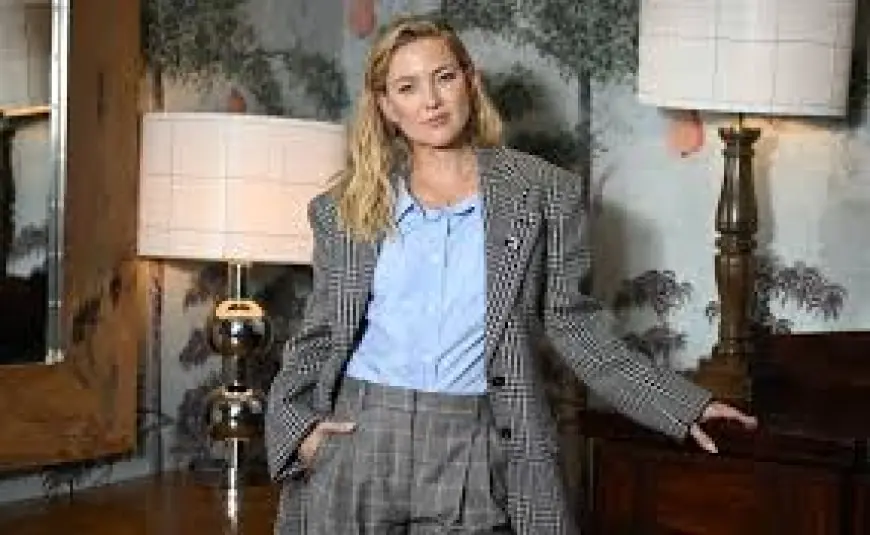
A weekend conversation that brought Kate Hudson together with Stellan Skarsgård included a striking line: the actor from 'Sentimental Value' said he doesn't believe in bad guys. For viewers and working actors, that brief exchange reframes familiar storytelling shortcuts and nudges audience expectations toward nuance. If you follow performances closely, this matters because it changes how you'll read motives on screen and how actors might prepare roles going forward.
Stellan Skarsgård's comment and why it matters to audiences and performers
When an established performer says they "don't believe in bad guys, " the immediate effect is less about moral relativism and more about interpretation. For audiences this can lower appetite for one-dimensional antagonists; for actors it signals a preference for layered roles where intention, context and vulnerability drive choices. Here's the part that matters: that framing can alter both what projects viewers gravitate toward and how actors sell character decisions in future work.
It's helpful to think in concrete terms. Viewers may start to favor stories where antagonists have backstories or understandable motives. Actors may push for scripts that allow ambiguity rather than clear-cut villainy. The real question now is whether casting and storytelling will follow the rhetoric on complexity into actual screen choices.
- Weekend conversation paired Kate Hudson with Stellan Skarsgård and highlighted his view that he doesn't believe in bad guys.
- The remark came in the context of his association with the project 'Sentimental Value' where he is identified as an actor.
- For audiences, the line reframes expectations: characters increasingly may be read for psychological texture rather than simple moral alignment.
- For performers, this stance often translates into seeking roles with clearer internal logic and fewer archetypal villains.
What happened in the exchange and the narrow facts we can rely on
In the weekend segment that featured Kate Hudson alongside Stellan Skarsgård, the actor linked to 'Sentimental Value' stated that he doesn't believe in bad guys. Beyond that direct claim and the names involved, details of the wider discussion are not established here. Recent updates indicate the remark formed a clear thematic moment in the conversation; details may evolve as more context becomes available.
It's easy to overlook, but a short declarative line like this often becomes shorthand for how an actor wants audiences to approach their work—less caricature, more cause-and-effect inside the character. That nuance is where casting directors, critics and committed viewers will decide whether an interview line actually shifts practice or stays as conversational color.
Two practical signals will show whether this perspective has staying power: follow-up role choices that emphasize moral complexity, and additional interviews or discussions that expand on why the actor rejects the "bad guy" label. Neither of those items is confirmed here, but they would clarify whether the comment is an isolated remark or the start of a pattern.
For now, fans and industry observers can take the exchange as an invitation to look more closely at motives on screen and to expect actors like Stellan Skarsgård to press for roles that resist tidy moral labels. If you're wondering why this keeps coming up, it's because statements about character philosophy often ripple into casting and audience taste—sometimes quietly shaping the kinds of stories that get made.