

























Uae ties tested: Saudi Crown Prince pledges full solidarity and capabilities after Iranian strikes

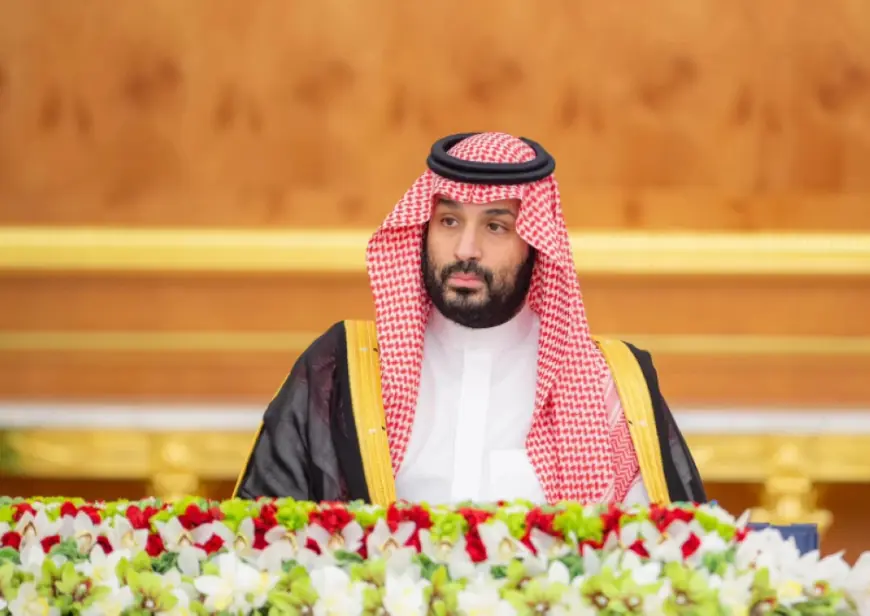
Why this matters now: The immediate impact falls first on Gulf leadership and critical civilian systems — the uae and neighboring monarchies face an elevated security and economic disruption that is already prompting defensive, diplomatic, and operational responses. Phone diplomacy on Saturday signaled coordinated backing, but the security picture and regional stability remain fragile.
Immediate impact on Uae and neighbouring capitals: solidarity, readiness and strained operations
Leaders across the Gulf are reacting to an escalation that has already interfered with everyday life and infrastructure. Saudi Arabia’s top leadership placed its full capabilities at the disposal of partner states and affirmed comprehensive support for measures those countries take in response to the attacks. That pledge aims to bolster both defensive operations and political backing for affected governments.
What the Saturday calls covered — who spoke with whom
On Saturday, Crown Prince and Prime Minister Mohammed bin Salman bin Abdulaziz Al Saud held phone calls with several regional heads: UAE President Sheikh Mohammed bin Zayed Al Nahyan, Bahrain’s King Hamad bin Isa Al Khalifa, Qatar’s Emir Sheikh Tamim bin Hamad Al Thani, Kuwait’s Emir Sheikh Mishal Al-Ahmad Al-Jaber Al-Sabah, and Jordan’s King Abdullah II. During those conversations, the Crown Prince affirmed the Kingdom’s full solidarity and support for the brotherly countries and stressed readiness to support any measures they take in response to the heinous Iranian attacks targeting their countries.
Key operational and civilian effects described by officials
Officials in the uae described several concrete developments: the UAE Ministry of Defence said it successfully intercepted a new wave of Iranian missiles launched towards the country with no damage or injuries reported. The UAE economy ministry said it holds strategic reserves of staple goods that are plentiful and "safe" and urged citizens and residents to avoid stockpiling. Separately, Dubai Airports confirmed that all flight operations at Dubai International (DXB) and Dubai World Central – Al Maktoum International (DWC) are suspended until further notice.
Diplomatic posture and warnings: escalation, sovereignty and calls for restraint
During the phone call between Sheikh Mohammed bin Zayed Al Nahyan and Mohammed bin Salman bin Abdulaziz Al Saud, the Crown Prince expressed condemnation of the attacks and reaffirmed full solidarity with the UAE, underscoring readiness to provide all possible support in response to any measures taken by the UAE. The UAE President expressed appreciation for the Kingdom’s firm stance and fraternal support. Both sides cautioned that continued violations of state sovereignty and international law carry serious consequences and constitute a dangerous escalation that threatens regional security and undermines stability. The leaders also called for restraint and the pursuit of diplomatic solutions to preserve the region’s security and stability.
Regional phone diplomacy beyond Riyadh and Abu Dhabi
The UAE President also spoke with Qatar’s Emir Sheikh Tamim bin Hamad Al Thani on Saturday about the ongoing escalation of Iran's missile strikes, underscoring a pattern of cross‑Gulf engagement focused on immediate response and de‑escalation. These conversations were repeated across capitals as neighboring heads of state coordinated positions and responses.
Here’s the part that matters: the mix of military readiness, logistical safeguards and high‑level calls shows governments are prioritizing immediate protection while signaling unified political pressure.
- Saudi leadership publicly committed all capabilities to assist affected states.
- Defensive actions in the uae included missile interceptions with no reported casualties.
- Essential supplies are being managed centrally; authorities urged the public not to hoard.
- Commercial aviation out of Dubai is suspended at the two major hubs until further notice.
It’s easy to overlook, but these moves are both tactical and symbolic: tactical in protecting people and infrastructure; symbolic in reaffirming regional alliances. The real question now is how long suspension of flights and heightened military posture will persist while leaders push for restraint and diplomatic avenues.
Writer’s aside: The rapid sequence of high‑level calls and operational measures shows familiar crisis playbooks are in use — coordination first, contingency measures second — but the long‑term stability consequences depend on actions that go beyond immediate support.