





















Brit Awards in Manchester: Six things to look out for as the ceremony leaves London for the first time


The move of the brit awards out of the capital is more than a venue swap — it signals a deliberate push to recognise musical talent beyond London. This night gathers big-name performers, headline nominations and prize shifts at the 46th edition, while city-wide events and ticket allocations for students aim to widen access. Here’s a compact guide to what changes, who’s central and why Manchester is the focus tonight.
Why Manchester now: a contextual rewind on momentum and strategy
Manchester is hosting the ceremony for the first time since the awards began in 1977, a moment framed by organisers as an effort to acknowledge the country's geographic diversity. The event is centred at Co-op Live arena after local authorities and city leaders were described as having opened up the city with a different approach to hosting large music nights. A temporary Olivia Deansgate station sign and visible citywide activity underline how the arrival has been embraced locally.
Brit Awards nominations and special prizes — who’s leading and who’s being honoured
Two Londoners, Olivia Dean and Lola Young, lead nominations with five apiece and are listed among contenders for hotly-contested categories. Olivia Dean and Lola Young each had major singles in 2025 — "Man I Need" and "Messy" respectively — that could help their cases. Raye could potentially increase her Brit tally, with the possibility of picking up an eighth and a ninth award at this ceremony. The shortlist recognises Lily Allen’s break-up album West End Girl, includes songs from the movie musicals Wicked and KPop Demon Hunters, and puts Britpop band Pulp in a best group slot. Noel Gallagher is due to receive a special prize for songwriting.
Performances, rehearsals and onstage moments to expect
Harry Styles will give the first live performance of music from his fourth album, presenting the single "Aperture" from his forthcoming record Kiss All The Time, Disco Occasionally. It is three years since he last played at the Brits; his previous appearance saw him perform "As It Was" at the O2 Arena in a spangly red jacket and leave with four trophies including album of the year. Details of his Manchester performance have been tightly held, with closed-door rehearsals at Manchester's Co-Op Arena limited to essential staff, and he is also set to appear in a sketch with host Jack Whitehall. Other acts lined up to perform include Wolf Alice and the singing voices from KPop Demon Hunters—Ejae, Audrey Nuna and Rei Ami—listed as HUNTR/X.
City programming, youth access and local creative activity
The move includes a fringe programme of workshops and intimate shows designed to involve grassroots artists: universities, colleges and creative organisations were allocated tickets to allow young people to attend the ceremony. Local workshops have featured industry figures offering feedback on demos and label approach, while fringe concerts include performances by nominees and a charity appearance by Robbie Williams in aid of War Child. The local reaction ranges from staged tributes like the Olivia Deansgate sign to excited attendees on the red carpet.
- Thom Rylance, producer and frontman of The Lottery Singers from Greater Manchester, described it as his first Brit Awards and a big deal to have the show on home turf, hoping for a "naughty moment" but not yet ready for a Jarvis-style stunt.
- Surejya McKenzie, born and bred in Manchester, runs NexGeNetwork supporting creatives and acts as an ambassador for the KYSO youth group; she was among those engaged with the week’s activity.
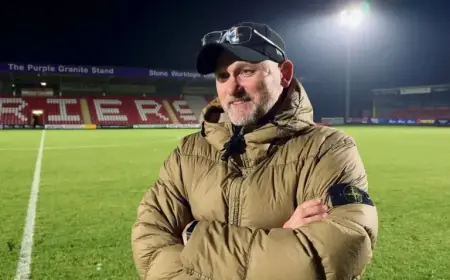
- Industry staff including camera star Lee Byatt and an arts correspondent were noted as present on the carpet awaiting nominees.
What’s easy to overlook is the combination of headline talent and structural change: the ceremony sits alongside a run of northern music milestones — past shows at Co-op Live, a recent launch of northern music awards, and a long-running history of the Mobo awards touring northern cities — that feed into the current decision to relocate the biggest night in UK music. The real question now is whether this first outside-London staging will shift future site choices and industry energy.
Here's the part that matters for young artists and local scenes: organisers and the record industry have been running workshops and allocating tickets to boost visibility and access, while industry figures have pointed to research showing Manchester as a consistent source of chart-toppers. If you’re wondering why this keeps coming up, note that a recent move of a major prize to another northern city and home-city wins for artists have been cited as part of a wider pattern prompting change.
Writer’s aside: The blend of live spectacle and local engagement is unusually explicit here — both a red-carpet show and a week of grassroots programming — which could make this staging a useful test case for whether national ceremonies can genuinely broaden their talent pipelines.