




















David Morrissey to play enigmatic headmaster in ITV thriller Gone, which premieres 8 March
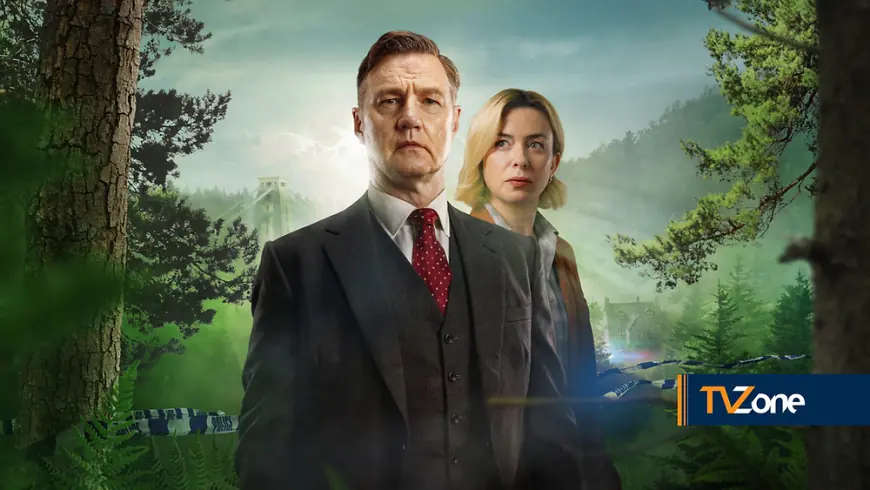
Eve Myles and david morrissey lead Gone, a six-part psychological crime drama inspired in part by a real cold-case investigation and set to debut on Sunday 8 March at 9pm. The timing matters because the series explicitly links contemporary fictional policing to a landmark 2009 investigation that reopened a 1984 murder, shaping both the show's consultants and its themes.
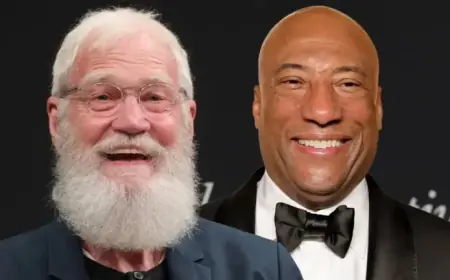
David Morrissey as Michael Polly
David Morrissey plays Michael Polly, a headmaster and “upstanding member of the community” who is described as inscrutable and fond of order and precision in his working life. In the story, Polly becomes the prime suspect after his wife Sarah disappears, setting up a central question of whether he could be capable of murder and, if so, why. The series frames Polly’s calm exterior against a mounting police inquiry, creating a compulsive game of cat and mouse with Detective Annie Cassidy.
Eve Myles and Detective Annie Cassidy
Eve Myles stars as Det Annie Cassidy, a super-bright, gutsy investigator who chips away at Polly’s veneer. Myles has spoken about the role with enthusiasm, calling Annie intuitive and not someone who suffers fools; she also noted she finds the character a formidable match for Morrissey’s Polly. Myles is best known for roles in Broadchurch and Keeping Faith, and she said at the Wales Screen Summit in October that she had once considered quitting acting because of a lack of quality roles for women. What makes this notable is the show’s clear effort to foreground a female detective in a tightly written psychological drama.
Real-case influence: Julie Mackay, Robert Murphy and To Hunt a Killer
Gone is fictional but was partly inspired by the book To Hunt a Killer, written by crime correspondent Robert Murphy about Detective Superintendent Julie Mackay’s 2009 cold-case investigation. Mackay, the former Detective Superintendent for Gloucestershire Police, reopened the inquiry 32 years after the 1984 murder of 17-year-old Melanie Road, who was killed while walking home from a nightclub in Bath. Mackay’s investigation led to Christopher Hampton being jailed for life for the teenager’s murder. Both Mackay and Murphy served as consultants on the TV series, a direct example of how a real investigation’s methodology and personnel have shaped the production.
Broadcast plan: ITV1, ITVX, STV and the 8 March premiere
ITV has scheduled Gone to premiere on ITV1 on Sunday 8 March at 9pm, with episodes to be released in advance on the streaming platform ITVX. The series will also air on STV. The production was first announced in November and has been described as a “gripping” and “psychological” drama. The release strategy pairs a linear 9pm slot with early streaming access, giving viewers two ways to catch episodes from the launch date.
Setting, themes and creative team
Set against the backdrop of a prestigious private school, a foreboding forest and the quiet sprawl of Bristol, Gone explores trauma, trust and the legacy of elite institutions. The script is by George Kay, known for The Long Shadow, Hijack and Lupin, and the series is directed by Richard Laxton. Kay has said the drama was inspired by real-life research and casts Annie Cassidy as an overlooked detective confronting privilege and prejudice. The production involves New Pictures alongside ITV and STV.
Supporting cast and production details
The six-part series also features Emma Appleton as Alana, the daughter of Sarah and Michael who is a teacher at the school and whose involvement makes the inquiry a family affair. Additional cast members include Jennifer Macbeth, Arthur Hughes, Nicholas Nunn, Elliot Cowan, Billy Barrett and Billy Barratt (unclear in the provided context), Rupert Evans, Jodie McNee, Oscar Batterham and Clare Higgins. Gone reunites david morrissey with writer George Kay and the production team at New Pictures; Morrissey said he was delighted to be working for the first time with Eve Myles and director Richard Laxton. Myles praised Kay’s writing and said she could not wait for audiences to see the show.
The series’ blend of factual inspiration and fictional storytelling—shaped by the involvement of both a crime correspondent and the detective behind a high-profile cold-case—creates a deliberate link between real-world policing outcomes and the drama’s moral questions. That link is visible in the consultants attached, the subject matter drawn from a 2009 reinvestigation of a 1984 killing, and the show’s compact six-episode structure.