























Cavaliers Vs Pistons: Botched Intentional Foul, Horn Malfunction and an OT Finish That Reshaped the East

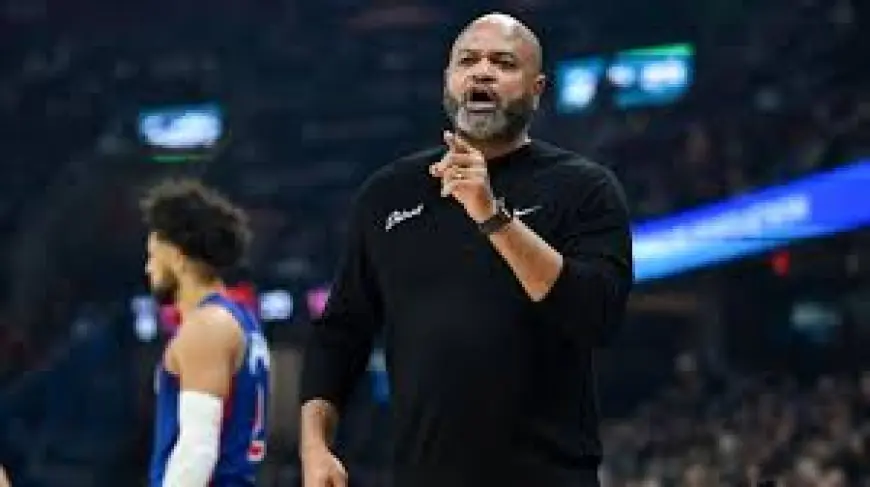
The immediate impact of this Cavaliers vs Pistons showdown landed squarely on standings and momentum: Detroit’s 122-119 overtime victory pushed the Pistons to the league’s best record while Cleveland slipped in the chase. Key rotation changes, late-game execution and an equipment malfunction all altered which players and matchups matter first for both clubs going forward.
Cavaliers Vs Pistons — who felt it most and how the standings moved
Here’s the part that matters: Detroit improved to 44-14, reinforcing its top spot, while Cleveland dropped to 37-24 and sits 8. 5 games back, holding the No. 4 seed in the East. That gap frames how each team approaches minutes and matchups moving ahead; the Pistons can lean on recent depth scoring while the Cavaliers will need cleaner late-game execution to pare the deficit.
Late-game sequence and the botched intentional foul
Cleveland held a three-point lead late in regulation and opted for an intentional foul strategy rather than risk a buzzer-beating try. The plan unraveled when Jaylon Tyson fouled Daniss Jenkins at half-court, drawing a shooting foul as Jenkins began his motion; Jenkins made all three free throws and the game went to overtime. The title line also notes a botched intentional foul with 5 seconds left — unclear in the provided context whether that specific timing is separate from the half-court sequence described elsewhere.
Key game moments, momentum swings and on-court details
- Cleveland opened with a 35-27 first-quarter lead, paced by 10 points from Jarrett Allen.
- Halftime score read 54-50 (as stated in the provided context).
- Detroit finished the third quarter up 85-84, helped by 10 points from Ausar Thompson and battled through a 12-minute delay when the scoreboard horn malfunctioned and wouldn't stop blaring.
- Late regulation saw Cleveland lead 105-96 with 3: 31 left before Detroit chipped back; Cade Cunningham fouled out with 1: 56 to go.
- With 48. 4 seconds left, two free throws credited to Jalen Duran made it 110-109; Dennis Schröder then followed with a layup that was described as giving Cleveland a three-point lead in the provided context.
- After Jenkins missed from long range, a put-back dunk by Duren tied things up and set the stage for the half-court foul that produced three free throws.
- In overtime, Detroit built a lead; four points from Duren (spelled both Duren and Duran in the provided context) and contributions from Tyson, Schröder and Tobias Harris produced the closing margin.
Stat lines, records and an inconsistency flagged
Duren is credited with 33 points (tying a career high), 16 rebounds and 3 blocks in the provided context. Cade Cunningham added 25 points, 10 rebounds and 7 assists as part of Detroit’s stat mix. For Cleveland, Jarrett Allen had 25 points, Evan Mobley scored 23 and Sam Merrill contributed 20. The Pistons’ record moved to 44-14; Cleveland fell to 37-24 and is 8. 5 games behind Detroit. Note: the scoring name appears as both "Duren" and "Duran" in the provided context; unclear in the provided context whether these are the same player or a transcription inconsistency.
Micro Q&A — short clarifications from the game
- Q: What mechanical issue interrupted the game? A: A 12-minute delay occurred when the scoreboard horn malfunctioned and wouldn't stop blaring.
- Q: Who forced overtime? A: Daniss Jenkins made three free throws after a late intentional-foul attempt drew a shooting whistle, sending the game to overtime.
- Q: How did overtime close out? A: Detroit built a late edge in OT and held on for a 122-119 win after missed tying 3-point attempts from Sam Merrill and Evan Mobley.
Schedule note embedded in the provided context: Detroit faces the Orlando Magic on Sunday, Cleveland visits the Brooklyn Nets next, and the two teams meet again on Tuesday in Cleveland; all schedules are subject to change. A brief timeline in the middle of the game — opening lead, a midgame horn delay, and the late foul that produced three free throws — condensed the turning points into a short chain that defined the outcome.
It’s easy to overlook, but the combination of the horn issue and the late-game decision to foul intentionally changed both tempo and personnel decisions in the final minutes. The real question now is how Cleveland adjusts late-game discipline and whether Detroit can protect its margin over the stretch run.
Writer's aside: The sequence of free throws at half-court and the inconsistent naming in the provided context complicate a clean narrative; both details are noted here rather than reconciled without additional confirmation.