

























IAEA Demands Iran Permit Inspections, Focuses on Isfahan

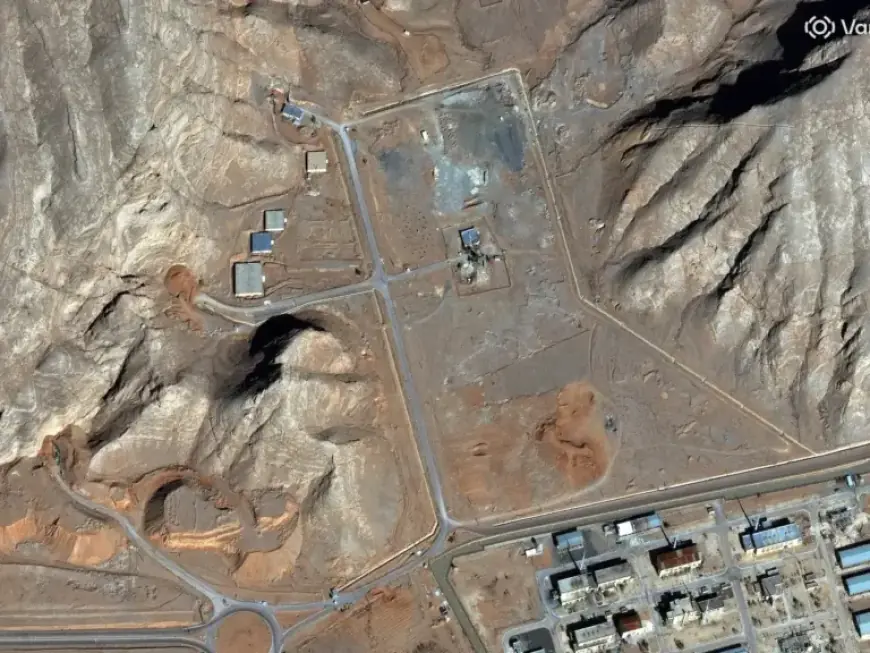
The International Atomic Energy Agency (IAEA) has raised concerns regarding Iran’s nuclear pursuits, particularly emphasizing the need for inspections of the Isfahan facility. A recent report pointed out that Iran has accumulated significant quantities of highly enriched uranium at an underground site, which remains largely inaccessible to inspectors.
IAEA Report Highlights Concerns at Isfahan Facility
The IAEA’s findings indicate that Iran is enriching uranium up to 60%, which is dangerously close to weapons-grade levels. This enrichment activity has heightened international concerns, especially amidst increasing pressure from the United States regarding Iran’s nuclear program.
Details of Uranium Storage and Enrichment
- The report details that most of Iran’s highly enriched uranium is stored in a complex tunnel system at Isfahan.
- IAEA inspectors lack precise information about a newly claimed fourth enrichment facility in the region.
- Satellite imagery has shown ongoing vehicular activity around the Isfahan facility, indicating active operations.
The report stresses the importance of permitting immediate inspections in Iran. Without such oversight, concerns about potential nuclear weaponization will continue to grow. The last known stockpile was over 400 kg (882 pounds) of uranium enriched to 60%, a figure last confirmed by IAEA inspectors on June 10.
Political Context and Diplomatic Efforts
This report comes in the wake of renewed diplomatic discussions between the United States and Iran, mediated by Oman. The latest round of talks yielded no significant progress. Iranians maintain that the stalled negotiations are largely due to what they perceive as excessive demands from the US.
Iranian Foreign Minister Abbas Araghchi stated that negotiations hinge primarily on the issues surrounding the stockpile of enriched uranium and the extent of inspections required by the IAEA.
Implications for Regional Stability
The increasing tensions around Iran’s nuclear capabilities have broader implications for regional stability. The United States had previously launched strikes against Iranian facilities, intensifying the conflict. This military engagement led Iran to limit cooperation with the IAEA, further complicating the situation.
As discussions continue in Vienna, the international community watches closely. The outcome will significantly impact not only Iran’s nuclear future but also geopolitical dynamics in the Middle East.