























Baby Monkey Punch Sparks Global Welfare Debate as Japanese Zoo Issues Update

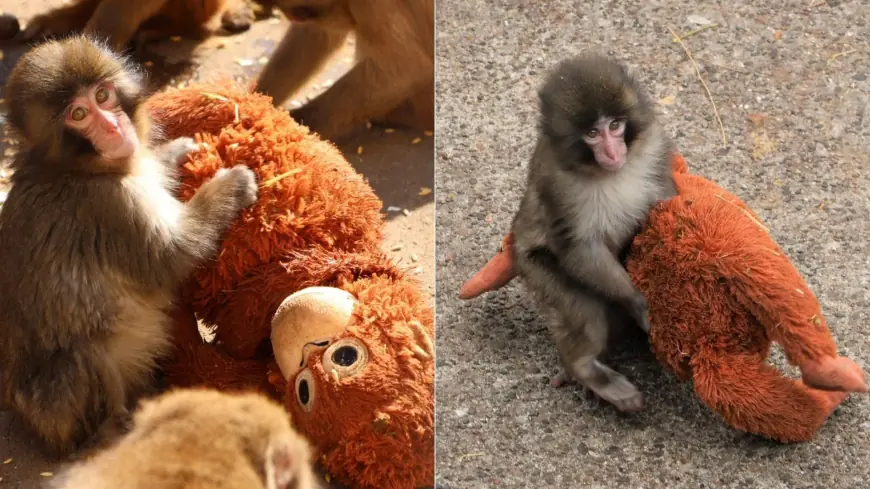
Baby monkey Punch, a young Japanese macaque whose tender bond with a stuffed toy has captivated viewers worldwide, is now at the center of a wider conversation about captive animal welfare, viral attention, and what ethical “care” looks like when millions are watching. In the latest update released Saturday, Feb. 28, 2026 (ET), the Japanese zoo caring for Punch addressed concerns raised by visitors and online audiences about the condition of the macaque troop, including visible hair loss in several animals.
Who Is Baby Monkey Punch?
Baby monkey Punch is a male Japanese macaque born in summer 2025 at a municipal zoo east of Tokyo. After being rejected by his mother shortly after birth, keepers began hand-rearing him while working to gradually introduce him to the larger macaque group. Punch’s story spread rapidly this month after clips showed him clutching a large orangutan plush for comfort—an image that turned him into a symbol of isolation, resilience, and the emotional complexity of primates.
That viral framing has also created a challenge for the zoo: balancing a fragile social integration process with a sudden surge in attention that can amplify scrutiny, crowd pressure, and heated debate over what viewers think they’re seeing in brief, edited moments.
Zoo Update: Health Checks and the Hair-Loss Concern
In its newest statement, the zoo said its veterinarians have checked the macaques and found them healthy, with normal weight and nutrition. The zoo also addressed the most visible point of concern: patches of hair loss observed on multiple macaques. Staff indicated the hair thinning aligns with overgrooming behavior that can increase during colder periods and social stress, rather than a sign of malnutrition.
The zoo described the macaque habitat as having areas for retreat and indoor spaces that allow animals to get away from view. It also emphasized that any changes to the environment must be made carefully, since troop dynamics can shift quickly and create new conflict—especially for a young animal like Punch who is still learning social cues and boundaries.
The Viral Effect: Crowds, Criticism, and Ethical Questions
Punch’s popularity has drawn more visitors than usual, turning an everyday primate exhibit into a destination for travelers and local families. Animal welfare advocates have urged the public to avoid amplifying distressing footage, warning that repeated sharing can unintentionally reward harmful content and fuel demand for novelty animal experiences.
Across the U.S., UK, Canada, and Australia, the debate has taken on familiar contours:
-
Is the footage evidence of poor conditions or simply a snapshot of normal primate conflict and hierarchy?
-
Do viral “sad animal” narratives encourage meaningful welfare improvements, or do they pressure institutions into reactive decisions?
-
How should zoos communicate context when the internet’s emotional interpretation moves faster than any official update?
In many cases, the loudest disagreement stems from uncertainty. Short clips rarely show the full routine of feeding, veterinary oversight, rest periods, or the gradual process of social rehabilitation.
Baby Monkey Punch and the Plush Toy Craze
Punch’s orangutan plush has become a cultural side story all its own. Demand for the same toy has spiked internationally, with shoppers in North America, the UK, and Australia reporting shortages and inflated resale prices. The toy’s role in Punch’s daily comfort has been widely discussed by animal behavior specialists as a form of enrichment—an object that can reduce stress and provide a predictable coping outlet during transitions.
Still, the plush has become more than enrichment in the public imagination. It’s a character in the story, which adds another layer of pressure: removing it could anger online followers; keeping it could be criticized as “too human.” The zoo’s position has been that Punch’s development comes first, and that enrichment decisions will be made based on his behavior and welfare needs, not audience expectations.
What Happens Next for Baby Monkey Punch?
The near-term goal is stable social integration—meaning Punch can interact safely with peers, learn normal macaque behaviors, and build tolerance within the troop without becoming a target for repeated bullying. Experts note that primate group life is not uniformly gentle: chasing, posturing, and occasional scuffles can be part of establishing rank and boundaries. The key welfare question is frequency and severity, plus whether the animal has options to retreat and recover.
For observers overseas, the most responsible way to follow the story may be the least sensational: focusing on concrete welfare indicators (health checks, injuries, feeding behavior, rest, and social progress) rather than viral moments designed to trigger outrage.
| Key Moments in the Baby Monkey Punch Story (ET) | Date |
|---|---|
| Punch born and later rejected by mother | July 2025 |
| Viral spread accelerates and visitor interest rises | Mid-Feb. 2026 |
| Welfare groups urge viewers to stop sharing distress clips | Late Feb. 2026 |
| Zoo issues updated welfare statement addressing hair loss and care plan | Feb. 28, 2026 |
For now, baby monkey Punch remains both a tiny macaque learning how to belong—and a global mirror reflecting how online attention can reshape real-world animal care decisions in an instant.