






















Bijou Phillips Urgently Seeking Kidney Donor as Transplanted Organ Fails

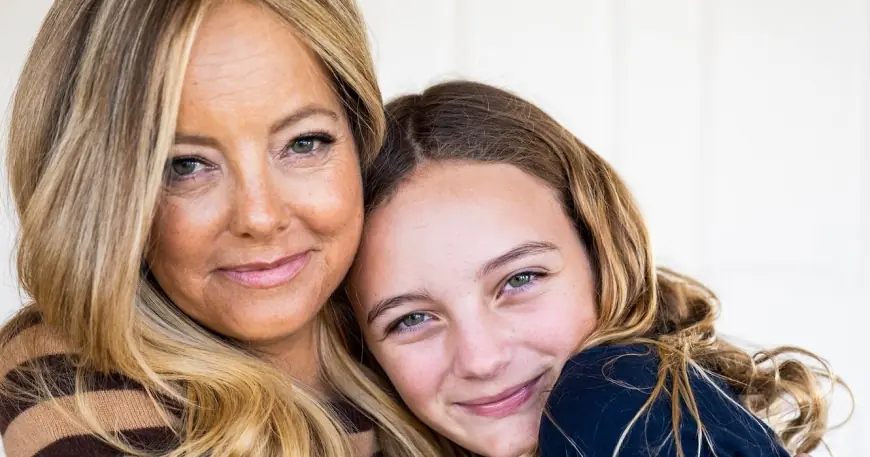
In a candid interview at her Beverly Hills home, bijou phillips said she is hospitalized and receiving dialysis after the kidney she received nearly a decade ago began failing. The disclosure has turned an urgent search for a compatible donor into a public campaign with immediate consequences for her survival and for her 12-year-old daughter.
Bijou Phillips' urgent donor search
Phillips, 45, has lived with chronic kidney problems since birth: she was born with underdeveloped kidneys and spent her first three months on dialysis. She later received a kidney from a friend — identified as Chris Wadhams — but that organ is now failing, prompting her current hospitalization and return to dialysis on February 11.
After Phillips made her health crisis public, roughly 1, 300 people volunteered to be tested as potential donors. Of those, about 50 to 60 have emerged as possible matches. Medical factors are complicating the process: Phillips' blood type is B negative, which limits compatible donor pools to O positive, O negative and B negative, and she carries antibodies that make rejection more likely. Her brother, Aron Wilson, was evaluated but was not a direct match; he may try again to join a kidney-exchange program after an initial denial.
Practical hurdles are also immediate. Phillips is connected to dialysis through a catheter in her chest, which prevents her from showering, and dialysis sessions can produce extreme physiological stress — she has experienced heart rates near 190 during treatment. She has described the situation as urgent, saying prolonged immunosuppression and the failing transplant leave her with a narrow margin between temporary stability on dialysis and potentially life-threatening infection.
Fianna, CORE Kidney at UCLA Health and family actions
Medical care for Phillips has involved CORE Kidney at UCLA Health, where she has been receiving dialysis while the donor hunt continues. She has described being immunosuppressed for many years, a condition that both helped the prior transplant succeed and now contributes to the complexity of securing a new match. Clinicians and family members warn that dialysis is not a cure: it sustains life but does not restore the full health a functioning kidney provides.
The immediate stakes are personal. Phillips has said she is fighting to remain present for her 12-year-old daughter, Fianna, whom she shares with her ex-husband, Danny Masterson. Phillips filed for divorce after his criminal sentencing in 2023 and has sought to remove his surname from their daughter's name. Her support network includes siblings, a partner named Jamie Mazur, longtime friends and other family members who have been coordinating with medical teams and outreach efforts.
What makes this notable is the scale of the public response to a single plea: more than 1, 300 people stepped forward, underscoring both the shortage of transplantable kidneys and the particular difficulty of finding compatible donors for someone with B negative blood and sensitizing antibodies. Roughly 90, 000 people in the United States are waiting for a kidney, a figure that frames the urgency of Phillips' campaign and highlights systemic demand.
Medical realities and next steps
Clinically, the path to a transplant for Phillips involves multiple hurdles: identifying a biologically compatible donor, confirming the donor's suitability through testing, and navigating transplant program processes such as kidney-exchange options when direct donation is not possible. Phillips' brother entering an exchange could elevate her place on transplant lists if a paired donation match is found; his initial application has been denied once, and the family intends to pursue the process further.
Meanwhile, Phillips has emphasized public education about organ donation, noting that dialysis maintains life but does not return patients to fully active, healthy lives. Her public appeal blends a personal plea for a lifesaving organ with broader advocacy for donation awareness, even as she balances medical concerns, family responsibilities and the logistical demands of transplant programs.
Outlook for Phillips and the search
Medical teams are continuing evaluation of the volunteers who have come forward, and Phillips’ family remains engaged in attempts to broaden her options, including possible entry into donor-exchange mechanisms. While she remains on dialysis, the timeline for receiving a transplant is uncertain; she has described both hope and urgency as guiding her efforts. The next critical steps are securing a medically compatible donor and completing the necessary testing and approvals that would allow surgery to proceed.