





















Punch Monkey Update: Japan's Beloved Baby Macaque Makes New Friends and Sparks Global Movement

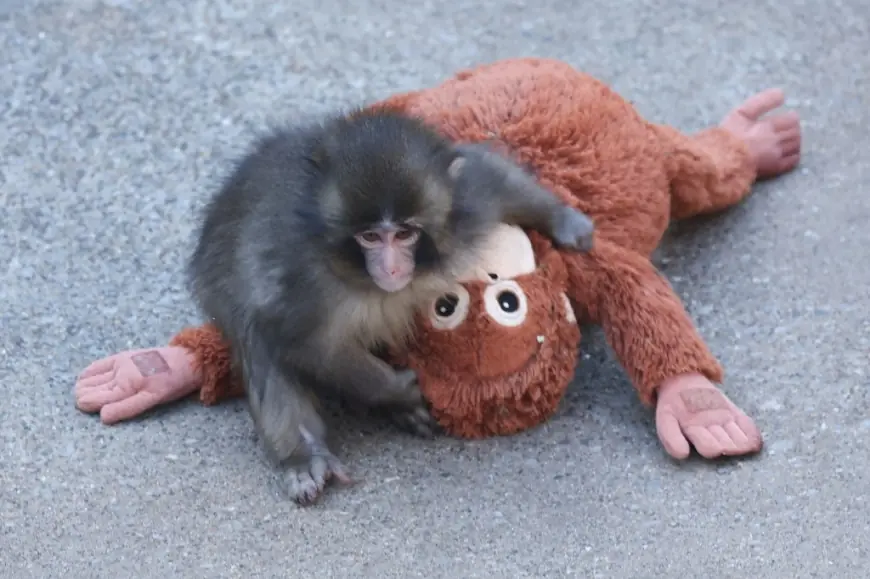
Punch the monkey, the seven-month-old Japanese macaque who captured the world's heart after clinging to a stuffed orangutan toy at Japan's Ichikawa City Zoo, is now showing signs of real social progress. The latest Punch monkey update reveals a baby primate who was abandoned at birth is finally beginning to integrate with his troop — and the internet could not be more invested.
Who Is Punch Monkey? The Story Behind the Viral Sensation
Punch, known in Japan as Panchi-kun, was born on July 26, 2025, and rejected by his mother shortly after birth. Keepers provided soft comfort items, and Punch quickly bonded with a plush orangutan — a relationship that turned him into a social media star and drew surging crowds to the zoo.
The soft toy has quite long fur and several easy places to hold, and it looks like a monkey. Zookeepers thought that its resemblance to a monkey might help Punch integrate back into the troop later on. The IKEA plush orangutan, originally intended as a surrogate comfort object, became Punch monkey's most recognized accessory worldwide.
Punch Monkey Gets Bullied — And the Internet Erupts
Videos circulating online showed other monkeys shoving Punch, leaving him only his emotional support toy as comfort. Japanese fans of the monkey began using the hashtag がんばれパンチ, which loosely translates to "HangInTherePunch," to express their solidarity.
Concern overtook curiosity after clips posted to X showed a larger macaque dragging Punch across an enclosure, with the infant fleeing to clutch his toy for comfort. The footage reignited questions about whether he should be separated from his troop. The zoo responded quickly, clarifying that no single monkey had shown truly serious aggression toward Punch monkey during the episodes captured on camera.
Punch Monkey Finds a Protector Inside the Troop
New footage shows Punch staying close to a larger monkey and following it around the enclosure. The zoo confirmed: "This big monkey has accepted Punch, and Punch has completely grown attached." The development thrilled millions of followers who had been refreshing the zoo's social media accounts for hourly updates on his progress.
Punch is also exploring his enclosure more and has been spotted copying the grooming behavior of older monkeys, which is exactly how macaques learn to bond socially. There is also a clip of him wobbling around on two legs with a stick in hand. He has also, apparently, learned to open doors. Zookeepers confirmed the Punch monkey is spending progressively less time clinging to his stuffed animal each day.
Zoo Addresses Hair Loss Concerns in Latest Punch Monkey Update
The zoo confirmed that a few macaques in the troop exhibit significant hair loss, or alopecia. "We believe the main cause is excessive grooming habits. To improve this issue and promote healthy group life, three staff members have been working together since June 2025 to develop approaches and conduct testing."
The zoo warned that making a "radical change" to the enclosure environment could "lead to Punch being bullied," and stated: "We would like to prioritize Punch becoming a member of the troop safely while improving the monkeys' health conditions as much as possible." Keepers confirmed that Punch monkey's food intake and weight remain healthy and appropriate for his age and development stage.
IKEA Stuffed Orangutan Sells Out as Punch Monkey Goes Global
A video of the bullied baby monkey clinging to a stuffed orangutan at the Japanese zoo led to the IKEA toy selling out online — and some units ending up on eBay. Resellers began listing the plush at several times its original retail price as demand from Punch monkey fans overwhelmed the retailer's online stock across multiple countries simultaneously.
The spectacle has drawn massive crowds to the zoo, and the hashtag HangInTherePunch has gone viral. Punch has become such an idol-like figure that fans hope he stays lively and continues being an idol. Weekend queues outside Ichikawa City Zoo stretched for hours as visitors from across Japan traveled specifically to see the now-famous Punch monkey in person.
What Experts Say About Punch Monkey's Future
Primatology expert Alison Behie from Australian National University explained that Japanese macaques live in very strict matrilineal dominance hierarchies. While the aggression toward Punch looks like bullying, it is a normal part of macaque society — dominant animals show aggression and subordinate animals respond with a signal, and then everyone stays in their place in the hierarchy.
Experts indicated keepers would continue monitored integration with the troop and intervene only if physical harm risks escalate, while prioritizing social learning to reduce long-term psychological impacts from isolation. Because males in this species typically disperse at maturity, Punch could be moved to a different group as he grows older, offering another opportunity to build social relationships. The world is watching — and for now, Punch monkey appears to be slowly, steadily, finding his place.