

























US and Allies Urge Against Iran Travel Amid Rising Middle East Tensions

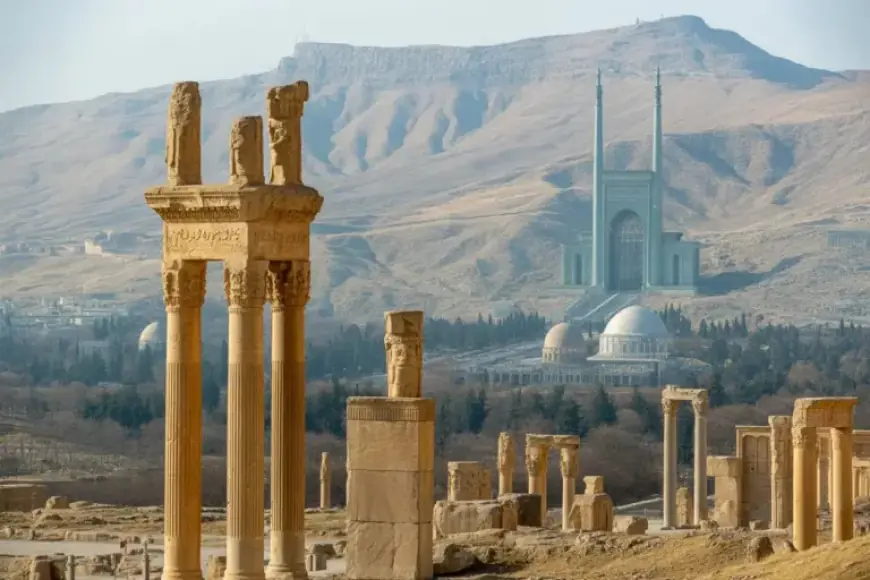
The United States has joined multiple countries in advocating against travel to Iran due to escalating tensions in the region. This advisory aims to safeguard travelers amidst growing safety concerns related to ongoing conflicts. Notable allies issuing similar warnings include Canada, Brazil, the UK, Germany, and Australia, reflecting a broader unease regarding Middle Eastern stability.
Travel Advisory Overview
The U.S. has issued a Level 4 “Do Not Travel” advisory for Iran, encouraging citizens to avoid the country. Not only is this aimed at Iran, but it also has wider implications for surrounding nations, particularly Lebanon, where American embassy staff are being evacuated. This multifaceted diplomatic approach emphasizes the urgency of the situation.
Impact on Tourism
These advisories have profound ramifications for tourism throughout the Middle East. Destinations like Lebanon, traditionally favored by Western tourists, are experiencing a significant decline in visitors. Factors contributing to this downturn include:
- Heightened security risks in Iran and neighboring countries.
- Increased flight cancellations and changes in air travel routes.
- Travelers opting for safer, more stable destinations.
According to industry analysts, this decline will impact local economies reliant on tourism revenue. Hotels, restaurants, and local businesses in Lebanon report a marked decrease in bookings, particularly from U.S. and Canadian tourists.
Other Nations’ Travel Advisories
Canada has echoed similar sentiments, advising against non-essential travel to Iran and highlighting regional instability that threatens safety in places like Lebanon and Israel. This has led to a notable drop in Canadian travelers to these nations, potentially affecting local tourism revenue.
Brazil has also advised its citizens to depart Iran, further complicating the tourism landscape in the Middle East. Though Brazil’s outbound tourism market is smaller, it still plays a significant role in supporting local tourism in countries like Lebanon.
The United Kingdom, Germany, and Australia have released their own advisories, intensifying travel warnings particularly directed at Lebanon. Each of these advisories contributes to a growing reluctance among international tourists to visit the region.
Consequence of Advisory Measures
The collective advisories from these nations draw attention to the rising tensions between the United States and Iran, significantly impacting Middle Eastern tourism. Popular tourist attractions across the region are likely to see reduced numbers of visitors, particularly from markets like the U.S. and UK.
- The tourism sector in regions such as UAE and Jordan is also expected to be affected.
- Cancellations are anticipated to rise as travelers reassess their plans amidst ongoing instability.
This advisory wave introduces new challenges that could have long-lasting effects on the Middle Eastern tourism industry, as safety concerns overshadow the region’s appeal as a travel destination.
Conclusion
The U.S. and its allies’ advisories underline significant safety concerns regarding travel to Iran and its neighbors. The ramifications are already being felt across the Middle Eastern tourism sector, which may struggle to recover from this downturn amidst ongoing geopolitical unrest. These developments highlight a critical period for the region’s tourism infrastructure, shaping travel trends and economic forecasts into the foreseeable future.