
























Qatar’s Foreign Minister Engages with Afghan Counterpart in Phone Call

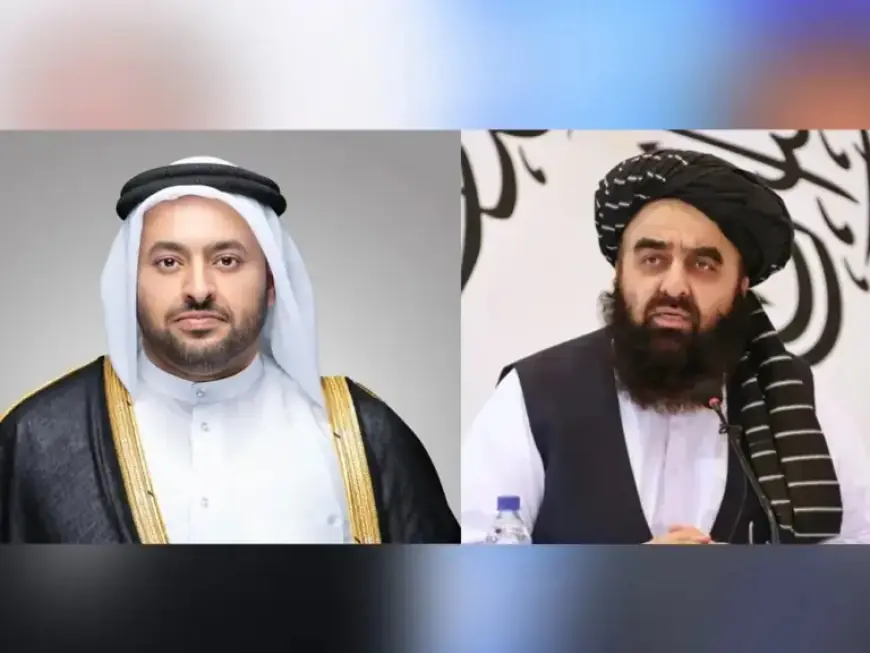
In a significant diplomatic move, Qatar’s Minister of Foreign Affairs, Dr. Mohammed bin Abdulaziz bin Saleh Al Khulaifi, engaged in a phone conversation with Mawlawi Amir Khan Muttaqi, the Acting Foreign Minister of Afghanistan’s interim government. This discussion occurred against the backdrop of increasing tensions along the Afghanistan-Pakistan border.
Dialogue Amid Border Tensions
The call took place on Friday and focused on addressing the ongoing border clashes and the rising intensity of cross-border attacks. Both officials expressed their commitment to finding ways to de-escalate the situation and enhance security in the broader region.
Dr. Al Khulaifi reiterated Qatar’s dedication to peaceful conflict resolution, emphasizing the importance of diplomatic engagements. He framed this dialogue as part of Doha’s broader initiative to promote negotiation and restraint among the involved parties.
Engagements with Regional Leaders
On the same day, Al Khulaifi also spoke with Pakistan’s Deputy Prime Minister and Foreign Minister, Ishaq Dar. Their conversation shared similar themes of reducing tensions and fostering stability between Pakistan and Afghanistan.
- Dr. Mohammed bin Abdulaziz bin Saleh Al Khulaifi: Qatar’s Foreign Minister.
- Mawlawi Amir Khan Muttaqi: Acting Foreign Minister of Afghanistan.
- Ishaq Dar: Pakistan’s Deputy Prime Minister and Foreign Minister.
This diplomatic outreach reflects the collective efforts of regional actors, including Qatar, Saudi Arabia, and Iran, to facilitate dialogue and prevent further escalation along the contested border. Qatar has underscored the necessity of mediation and negotiation, highlighting the critical role of diplomacy in addressing the current challenges.
Looking Ahead
While specific follow-up actions were not disclosed, the exchange between Al Khulaifi and Muttaqi signals a growing commitment among regional leaders to engage diplomatically. As tensions remain high, continued dialogue may pave the way for a more stable security situation in the region.