

























Understanding Iran’s Supreme Leader Khamenei and His Targeted Status

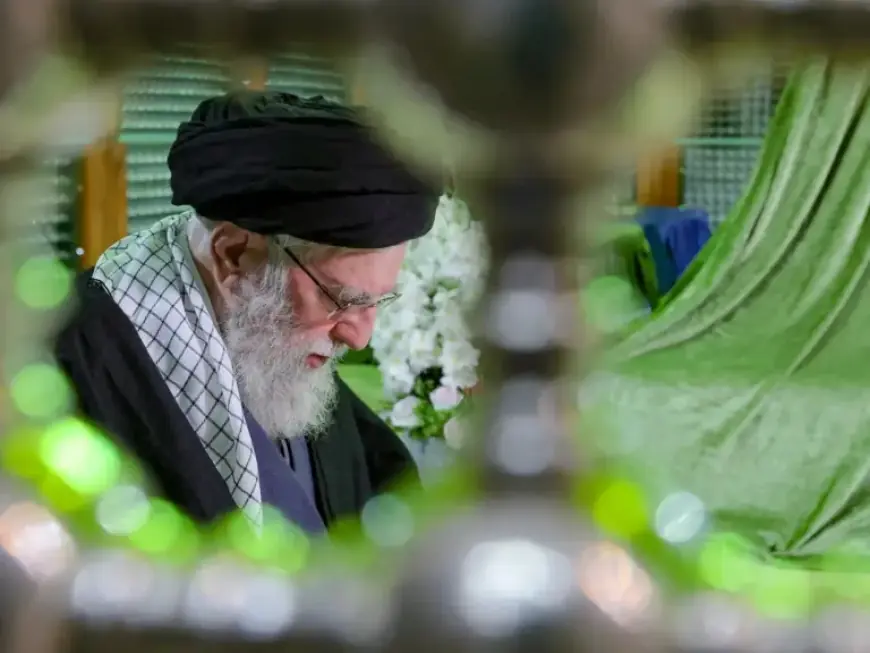
The recent escalation in tensions between the United States, Israel, and Iran has focused attention on Iran’s Supreme Leader, Ayatollah Ali Khamenei. Following recent attacks in Tehran, questions arise regarding Khamenei’s status in the Islamic Republic.
Overview of Attacks on Iran
On a recent Saturday, coordinated strikes by the US and Israel targeted multiple locations in Iran. These attacks were reported across various sites in the capital, Tehran, including areas near the presidential palace in Shemiran and Khamenei’s compound.
- Attacks struck sites linked to Iran’s Supreme Leader.
- Seven missiles hit near key governmental properties.
- Khamenei’s offices were also reported to be targeted.
Khamenei’s Current Situation
The current whereabouts of Khamenei remain uncertain. Reports indicate he may have been moved to a secure location away from Tehran.
Who is Ayatollah Khamenei?
Ayatollah Ali Khamenei, now 86, has been the Supreme Leader of Iran since 1989. He succeeded the founder of the Islamic Republic, Ayatollah Ruhollah Khomeini, who led the 1979 revolution that ousted the last Shah of Iran, Mohammad Reza Pahlavi.
Khamenei holds absolute authority over Iran’s military, government, and judiciary, also acting as its spiritual leader. Throughout his rule, he has faced intense sanctions from the West and internal protests about economic and social issues. He refers to the US as Iran’s primary adversary, with Israel considered a close second.
His leadership relies heavily on the loyalty of Iran’s security entities, including the Islamic Revolutionary Guard Corps (IRGC) and the Basij paramilitary forces.
Nuclear Program and International Stance
Khamenei has consistently declared that Iran will not pursue nuclear weapons and insists that the country’s nuclear program is entirely civilian. International agencies, including the UN’s nuclear watchdog, have found no concrete evidence to support claims that Iran is developing atomic arms, although these allegations persist among some U.S. leaders and Israeli officials.
Threats Against Khamenei
In recent months, officials from the U.S. and Israel have made alarming statements regarding Khamenei’s position. In June, after a series of confrontations, Israeli Defense Minister Israel Katz stated that Khamenei “cannot continue to exist” due to his government’s hostility toward Israel.
Similarly, Prime Minister Benjamin Netanyahu suggested the possibility of an assassination attempt against Khamenei, indicating that such an act could resolve ongoing conflicts in the region. President Donald Trump has also issued veiled threats against the Supreme Leader, implying that regime change in Iran would be beneficial.
The Objective of Recent Attacks
Following the strikes, Trump reiterated his commitment to “annihilate” Iran’s military capabilities and encouraged Iranians to rise against their government. Analysts, like Al Jazeera’s Ali Hashem, suggest these attacks are aimed at dismantling Iran’s political leadership.
While the immediate outcomes of these attacks remain unclear, the implications for Khamenei’s leadership status and the broader geopolitical landscape are significant.