

























Lebanon: Israeli strikes hit al-Tuffah region and Markaba

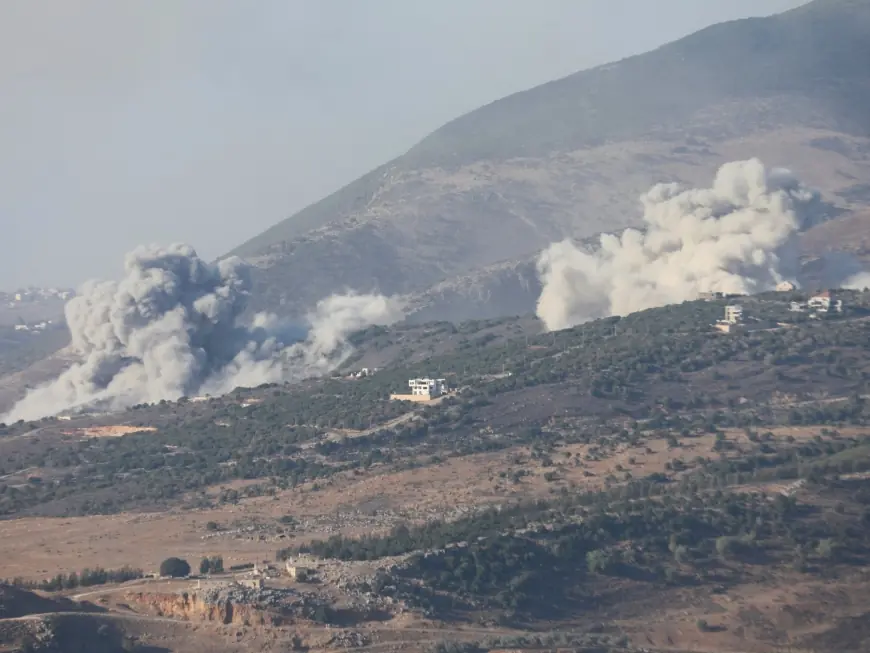
Israeli air strikes struck southern lebanon’s Iqlim al-Tuffah region on Thursday, targeting Blat, Wadi Barghouti and the town of Markaba in what local observers described as a new breach of the November 2024 ceasefire. The raids included multiple strikes on open areas amid forests and hills and the use of small drones that dropped explosive devices in Markaba for the third time.
Impact across southern Lebanon
No casualties have been reported so far from the raids in the al-Tuffah area; most strikes in that zone hit open terrain and elevated ground. In other parts of lebanon, separate strikes in the Bekaa Valley killed one person and wounded 29 others. Lebanon’s Ministry of Health announced that a 16-year-old Syrian boy, named Hussein Mohsen al-Khalaf, was killed in a strike on Kfar Dan near Baalbek. Authorities also say a vehicle near the border was bombed, killing at least four people.
Strike details in al-Tuffah region
The operations in Iqlim al-Tuffah focused on Blat and Wadi Barghouti and targeted the heights of the al-Tuffah region. Military aircraft and small unmanned aerial systems have continued to fly over southern areas, with explosive devices dropped in populated localities such as Markaba for the third documented time. Forces characterized the actions as strikes on infrastructure tied to the armed group in the area, while critics note repeated impacts on civilian areas and infrastructure amid near-daily operations.
Ceasefire, disarmament and next steps
The strikes come after a November 2024 ceasefire that aimed to halt more than a year of large-scale fighting. The United Nations records more than 300 people killed since that ceasefire, including 127 civilians. During the wider war that began in October 2023 and intensified into full-scale conflict in September 2024, the broader death and injury tolls cited by officials include several thousand killed and many more wounded.
The Lebanese government says it has almost completed its commitment under the ceasefire to disarm armed groups south of the Litani River and has said it would need roughly four months to finish a second phase. The armed group in question has rejected the wider interpretation of that disarmament commitment, saying it applies only to areas south of the river and that it will not disarm while attacks and occupation persist. If strikes and occupation continue, that stance could impede the government's stated timeline for completing the next phase of the agreement.
Officials in Washington have said they reduced personnel in lebanon to essential levels, and diplomatic reactions across the region have included public criticism of remarks seen as supportive of broad territorial claims. With strikes continuing and checkpoints on reconstruction reported in border areas, the immediate outlook is one of sustained tension: ongoing overflights and periodic raids suggest the risk of further incidents remains, while the disarmament and return of displaced residents depend on both security developments and political agreement.