























Austin Yogurt Shop Murders: Victims Honored After Emotional Case Closure

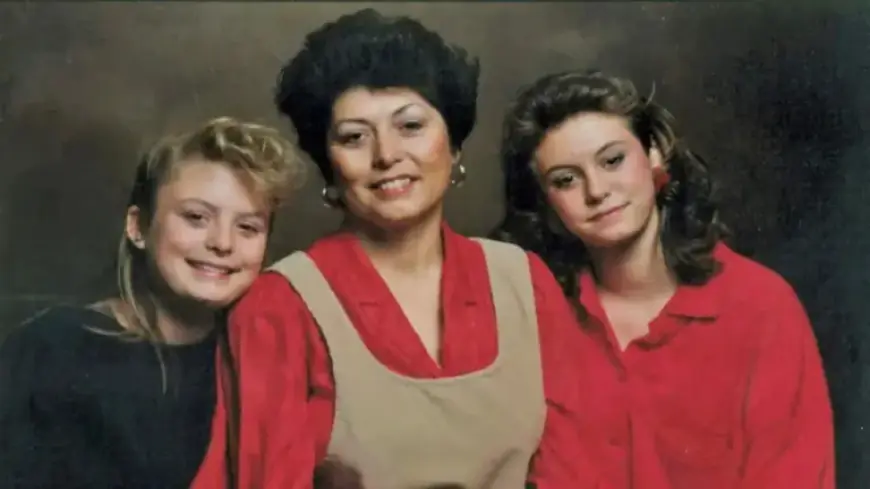
In a case that haunted Austin for decades, the 1991 yogurt shop murders have finally seen some resolution. The tragic killings of four teenage girls—Amy Ayers, Jennifer Harbison, Sarah Harbison, and Eliza Thomas—shocked the community and left families searching for closure. Nearly 35 years after the grisly crime, there have been significant developments in the case, allowing families to reflect on the impact and legacy of the young victims.
A Tragic Incident
On December 6, 1991, the four girls were working at the yogurt shop on West Anderson Lane. They were planning a sleepover after closing, but their lives were cut short before they could reach home. The discovery of their bodies was made tragically clear when an officer reported a fire at the shop shortly before midnight.
Discovery of the Crime
Upon extinguishing the flames, first responders encountered a horrifying scene. The victims were herded to the back of the store and shot execution-style. Autopsy details revealed that they were left nude, tied up, and had suffered evidence of sexual assault.
Investigation and Suspects
In the aftermath, families frantically searched for answers. Initial investigations centered on 15-year-old Maurice Pierce, found with a firearm near the site of the crime. Despite questioning multiple suspects, including Pierce, Michael Scott, Robert Springsteen, and Forrest Welborn, no definitive evidence linked them to the murders.
- Initial suspects: Maurice Pierce, Michael Scott, Robert Springsteen, Forrest Welborn
- Notable evidence: .22 caliber firearm
Confessions and Legal Complications
In the late 1990s, as the cold case was revisited, the suspects were re-interrogated. Follow-up confessions led to their arrests in 1999, but these confessions were later recanted, claiming coercion. Legal complications ensued, and the convictions of Scott and Springsteen were overturned in subsequent years.
Breakthrough in the Case
Years passed without new evidence until a breakthrough came in 2021 when Detective Dan Jackson took on the case. Using a shell casing from the yogurt shop, investigators linked it to a Kentucky cold case involving Robert Eugene Brashers, a deceased serial offender.
Forensic Advances
Advanced DNA profiling techniques helped create connections between the yogurt shop murders and Brashers. YSTR profiles indicated a similar genetic match to evidence collected from other violent crimes. The investigation suggested that Brashers could be the long-sought murderer.
Exoneration of the Wrongfully Accused
In a significant turn of events, the State of Texas exonerated all initially accused individuals on February 19, 2026. District Attorney José Garza publicly apologized for the role played by the legal system in the wrongful convictions. Scott expressed his relief, stating he had carried the burden of a crime he did not commit for decades.
Legacy and Community Impact
Victims’ families now hope to commemorate their daughters’ lives. A memorial stands in honor of the girls, symbolizing their lasting legacy. Barbara Ayres-Wilson, mother of Jennifer and Sarah, emphasized that the community had lost potential contributions from the girls, who were poised to make a difference.
- Amy Ayers — Known for her spirit and involvement with Future Farmers of America
- Jennifer & Sarah Harbison— Remembered as lovely sisters
- Eliza Thomas — Described as social and energetic
The emotional journey of these families calls for reflection on both loss and hope for justice. The case of the Austin yogurt shop murders is not just a story of tragedy but also one of resilience and the quest for truth that spans generations.