

























Rebecca Kutler Charts Streaming Future for Msnow After Viewership Gains

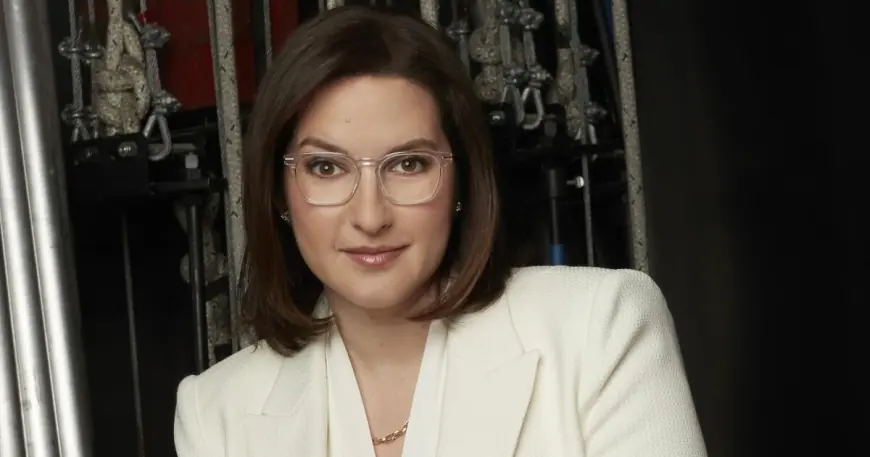
Rebecca Kutler is steering the channel she rebranded as msnow toward a post‑cable future after a rebrand, audience gains and organizational change. The momentum matters now because the network has been forced to operate without NBCUniversal’s infrastructure following a corporate spin‑off, prompting a strategic pivot that includes promotional investment and new newsroom builds.
Msnow Rebrand and Nielsen Audience Gains
The channel dropped its nearly three‑decade‑old name in August and relaunched as MS NOW as part of a corporate split that moved the network into a new media company called Versant. Nielsen data show that from Nov. 15 — the date of the rebrand — through Feb. 14 the channel’s average daily audience reached 613, 000, a 25% increase from the same period the prior year. Weeknight prime time viewership climbed 27%, to about 1. 2 million viewers.
Internal research tracked shifts in perception: when the name change was first announced, 31% of viewers found it somewhat or very unappealing; two months later that negative sentiment had fallen to 17%. The share of viewers who found the new name very or somewhat appealing rose from 30% to 44% in the same span. A $20 million promotional campaign that highlighted on‑air personalities was credited with clarifying that the relaunch was a change of label rather than a change in editorial direction.
Rebecca Kutler’s Operational Decisions and Organizational Impacts
The spin‑off followed a parent company decision driven by broader financial considerations at Comcast, which led to MS NOW losing access to NBCUniversal’s news services. Rather than continue paying $60 million a year for newsgathering from NBC News, Kutler opted to build independent newsrooms in Washington and New York. That operational shift was tested publicly when the channel covered President Trump’s State of the Union as its first major event as a freestanding organization.
The cause‑and‑effect is straightforward: the corporate separation removed shared resources, which forced Kutler to replace an outsourced $60 million news service with in‑house capacity. That decision paved the way for the network to control day‑to‑day gathering and production, and the promotional push sought to preserve viewer habits tied to recognizable hosts such as Rachel Maddow, Jen Psaki and Joe Scarborough.
What makes this notable is that audience metrics moved in Kutler’s favor despite the loss of a legacy brand name and the financial constraints implied by the spin‑off. The data suggest viewers remained loyal to personalities and programming rather than the historic moniker.
Personal Trials and Strategic Timing
Kutler’s tenure has included a personal health challenge: she was diagnosed with breast cancer in October and underwent chemotherapy treatments every few weeks, during which she watched the newly rechristened network while receiving care. Professionally, the timing of the rebrand coincided with renewed viewer interest driven in part by reactions to the second term of the Trump White House, which drew audiences back to familiar programs and hosts after a post‑2024 exodus.
Combined, the strategic choices — building new newsrooms, concentrating promotional dollars on star personalities and maintaining programming continuity — have produced measurable audience gains that strengthen Kutler’s case for expanding beyond traditional cable. The broader implication is that an aggressive, talent‑centered relaunch can stabilize and grow a news brand even after a disruptive corporate separation, setting the stage for a potential push into streaming platforms.