






















Reuters Poll: 61% Say Donald Trump Has ‘Become Erratic With Age’ — New Survey Breakdown

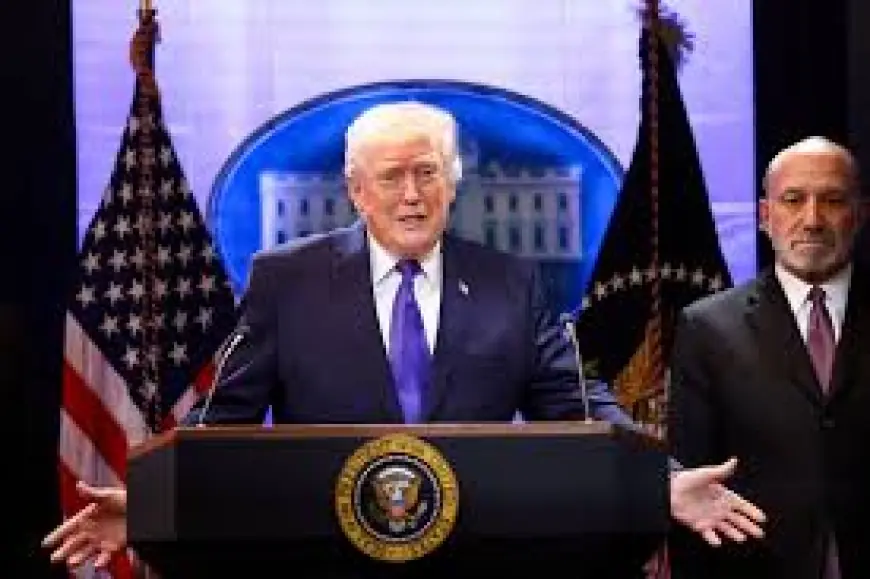
A new poll conducted just before the president’s State of the Union found a majority of respondents believe Donald Trump’s behavior has grown more erratic with age. The survey measured broad public perceptions, captured voter sentiment across party lines, and was carried out in the days leading up to the congressional address.
poll findings: the headline numbers
The /Ipsos survey asked adults nationwide whether they think Donald Trump has “become erratic with age. ” Sixty-one percent of respondents agreed with that statement, while 32 percent did not. By a separate measure in the same survey, 45 percent of respondents said they think Trump is mentally sharp.
The poll sample included 4, 638 adults and was conducted from February 18 to 23, 2026. The timing of the survey places its fieldwork immediately before the president delivered the State of the Union address to Congress.
Demographic splits, earlier comparisons and what the numbers show
- Among those who agreed that Trump has become erratic with age, the breakdown included large majorities of one party’s respondents and notable shares of independents and members of the opposing party: 89 percent from one major party, 64 percent of independents, and 30 percent of the other major party.
- An earlier poll referenced within the same coverage had found 68 percent of respondents felt Trump was focusing on the wrong problems, offering a comparative data point about public priorities and perceptions leading into the new survey.
The combination of these measures paints a picture of public concern about temperament and attention to issues. The simultaneous finding that less than half of respondents view the president as mentally sharp underscores a tension in voter impressions: a majority perceives increased erratic behavior while a smaller plurality sees intact mental acuity.
Response from the White House and immediate implications
The White House pushed back on the poll results through a statement from a spokesperson who defended the president’s sharpness, energy and accessibility, framed the comparison with the prior administration’s health and criticized media coverage as contributing to declining trust. The statement positioned the poll narrative as a continuation of media-driven accounts the White House deems unfair.
These findings matter because they reflect a national snapshot of perceptions at a politically sensitive moment. The survey was fielded immediately before a major presidential address to Congress, meaning shifts in public sentiment tied to high-profile events could follow once new information or performances enter the public sphere.
What to watch next
Recent updates indicate the picture may evolve as new polling and public reactions to the State of the Union emerge. Observers will be watching for follow-up surveys that track whether perceptions of erratic behavior change after the address, and whether other measures of competence and issue focus move in parallel.
Because the poll captures attitudes expressed in a specific pre-address window, analysts caution that these results represent a moment in time. Future surveys taken after subsequent public appearances will be needed to see whether the patterns identified in the /Ipsos fieldwork persist or shift.