
























Punch Monkey at Ichikawa City Zoo Sparks Viral Fandom After Maternal Rejection

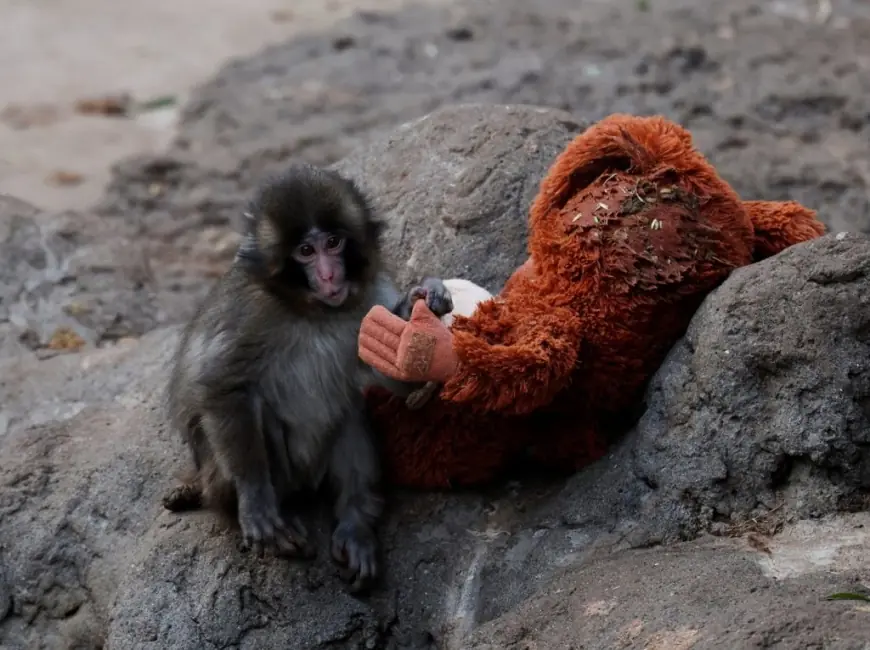
A seven-month-old macaque named Punch has become an online and local sensation after being abandoned by his mother and given a stuffed toy for comfort. The punch monkey story matters now because videos of the infant clutching the plush have triggered a chain of reactions—from expert concern about attachment to surging visitor interest and retail shortages.
Punch Monkey at Ichikawa City Zoo
Punch, a seven-month-old macaque housed at Ichikawa City Zoo outside Tokyo, was abandoned by his own mother shortly after birth. Zookeepers intervened and handed him a stuffed animal to provide comfort and a potential bridge back into the troop.
Zookeepers and the stuffed orangutan
Kosuke Shikano, a zookeeper, explained that the soft toy has long fur and several easy places for Punch to hold. Staff chose that particular plush because it looks like a monkey, with the hope that its appearance might help Punch integrate into the group later on. The toy is an orangutan figure rather than a macaque, but Punch has not let it go.
Behavior captured on video: comfort and rough handling
Footage circulating online shows Punch using the stuffed animal as a shelter and comfort object—escaping to it for protection and clutching it for cover. The same videos also show other members of the troop treating the baby roughly; clips depict Punch being dragged around like a chew toy. That contrast—between the refuge of the plush and the troop’s ornery treatment—has shaped public reaction to the images.
Viral response, #HangInTherePunch and public reaction
On TikTok the hashtag #HangInTherePunch has gone viral, drawing widespread online sympathy and a surge of visitors to Ichikawa City Zoo. The spectacle has produced measurable impacts: large crowds have come to see Punch in person, and retailers have felt the effect—a run on the same stuffed animal at Ikea has followed the viral clips.
Expert and staff perspectives on attachment and welfare
Nurse Miyu Igarashi said Punch has already become an idol-like figure at the zoo and expressed the wish that he remain lively. Alison Behie, a primatology expert at Australian National University, cautioned that a plush toy is not a replacement for a mother and will not provide the attachment necessary for full development. She added that the stuffed animal can create an avenue for retreat that might reduce stress responses in the moment, allowing Punch to feel less anxiety and stress.
The cause-and-effect chain is clear: maternal rejection prompted zookeepers to provide a stuffed toy, which Punch uses for comfort; videos of this behavior then became viral content, which in turn drove visitors to the zoo and increased demand for the same plush at retail outlets. What makes this notable is how a simple intervention intended to ease anxiety in a single animal became a broader social phenomenon with tangible effects on visitor patterns and consumer behavior.
Many specifics remain unclear in the provided context, including long-term plans for Punch’s reintegration with the troop and any additional medical or behavioral interventions. For now, the zoo’s immediate actions, public interest measured by crowd size and retail shortages, and expert warnings about the limits of surrogate comfort shape the unfolding picture of Punch’s early life.