
























Aaron Gordon edges closer to full-strength return as Nuggets aim to stabilize rotation

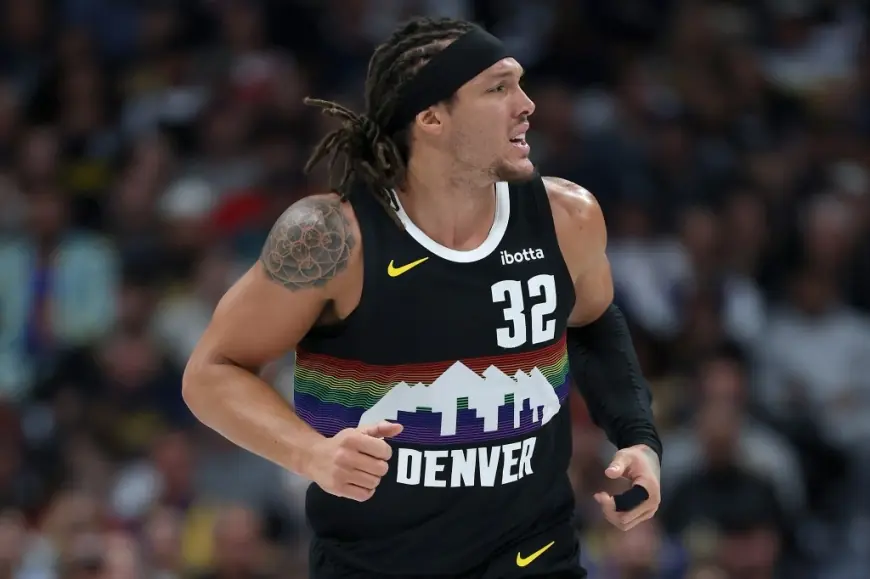
The Denver Nuggets moved players through contact and conditioning work this week as the team closes in on the final stretch of the regular season, and aaron gordon in particular progressed toward a return. The development matters now because Denver has 20 games remaining and is trying to reassemble a lineup that has been fragmented by injuries for the better part of the season.
Aaron Gordon's practice progress
Gordon was at Ball Arena early in the week for conditioning work and on-court sessions with assistant coaches before participating in the full-team practice where he "did basically everything but the contact stuff, " coach David Adelman said. The power forward has suffered two right hamstring strains this season — the first in November and the second on Jan. 23 — and the team has worked with him on a phased return plan that balances his eagerness to play with postseason prudence.
Over the last two seasons Gordon has missed 66 games with various soft-tissue issues, a history the club is weighing as it measures progress. The Nuggets have emphasized on-court situations in practice to restore confidence: Denver ran situational defensive drills with Gordon taking part, a step Adelman framed as part of a day-by-day protocol. The club also met with Gordon this week to map recovery steps and playing thresholds ahead of his re-entry.
Gordon's absence has tangible consequences for Denver’s performance: the team’s defensive rating is 9. 6 points better with him on the floor than with him off it, a measurable impact that helps explain the cautious approach to his timetable. What makes this notable is how quickly matchup dynamics change in the West; getting Gordon back could alter how the Nuggets defend opposing frontcourts during the final 20 games.
David Adelman sets short timeline for full group
Adelman offered the most optimistic timeline yet on Tuesday, expressing the hope that the Nuggets could have the entire rotation available with 20 games to go. He framed that benchmark as a nightly aspiration and acknowledged the pressure inherent in that target, calling it a stretch goal rather than a guarantee.
Literally put, Adelman’s 20-games-to-go marker would align with a home date next Thursday, a marker the coach used to illustrate the narrow window. Denver enters that stretch with a 36-22 record and has dropped six of its last nine contests, a slump that amplifies the urgency of reintegrating key pieces. The club has not had a fully healthy rotation since Nov. 12, the night multiple players went down in Los Angeles, and the team’s early-season 8-2 stretch underlines how different the roster looks when everyone is available.
Adelman also noted mental readiness as a hurdle. Repeated hamstring problems for Gordon and a recent hamstring strain for Peyton Watson mean both players must regain confidence that they can handle the explosiveness and contact of games, not just workouts. The coach described the return as a process in which physical readiness follows restored comfort with in-game actions.
Peyton Watson's conditioning and immediate outlook
Watson, who has been sidelined since suffering a hamstring strain on Feb. 4, also participated in conditioning and some full-contact drills with the team’s staff earlier in the week. The 23-year-old wing posted a short message on social media indicating he would be "back soon, " and Adelman said Watson saw contact work with coaches during Monday’s sessions. The coach did not detail Watson’s exact involvement in the subsequent full practice, but indicated both players were trending in the right direction.
The broader implication is clear: Denver’s ability to stop mismatches and stabilize rotations over the final 20 games hinges on successful, cautious reintegration of these wings. With playoff positioning and matchup planning on the line, the Nuggets are pushing to reclaim continuity while guarding against setbacks that could affect the postseason.
For now, the process remains incremental — more sprint reps, more situational defense, and incremental contact — with the club treating each step as a test of readiness as the calendar moves toward the playoffs.