
























Monarch Legacy Of Monsters Season 2 Reframes the MonsterVerse and Sets New Plot Lines in Motion

Season 2 of Monarch Legacy Of Monsters premiered on Apple TV on February 27, and early reviews emphasize that the series expands the MonsterVerse with larger-than-life Titans and sharper human drama. The new episodes both lean into feature-film-quality spectacle and push narrative threads that appear to connect directly to later MonsterVerse films.
Monarch Timeline: From 2014 Godzilla to 2017 Setting
The series places its present-day action after the events of the 2014 Godzilla film and explicitly sets much of Season 2 in the year 2017. That timeline positioning matters: it allows Monarch to bridge the awe-driven tone of the 2014 movie with the franchise’s later shifts toward coexistence, giving the show room to seed ideas that resurface in subsequent films.
Monarch Legacy Of Monsters: Season 2’s story structure and premiere
Monarch debuted on Apple TV in late 2023 and split its first season between two half-siblings searching for their missing father in the present and a group of researchers during Monarch’s early days decades earlier; those dual timelines remain central as Season 2 unfolds. The premiere episode, titled "Cause and Effect, " advances that structure while making the series feel increasingly filmic: critics note the season’s plots are easier to follow, the pace in the first half moves like a rocket with major plot twists in both present and past, and the back half introduces a device that delivers poignant emotional turns to close the season.
Apex Cybernetics and Brenda Holland’s coexistence hint
Rival tech firm Apex Cybernetics plays a larger role this season, portrayed in ways that both fill gaps from the films and set the company up for an eventual heel turn in Godzilla vs Kong. An exchange between May (Kiersey Clemons) and Apex CEO Brenda Holland (Dominique Tipper) reveals Brenda’s early interest in coexistence with Titans. That line of thinking — which later films make central — is presented as an emerging idea in 2017 that hasn’t yet taken root broadly, but which clearly foreshadows future developments, including the trajectory toward Mechagodzilla in the cinematic timeline.
Titan X, Godzilla and Kong: on-screen titans and VFX
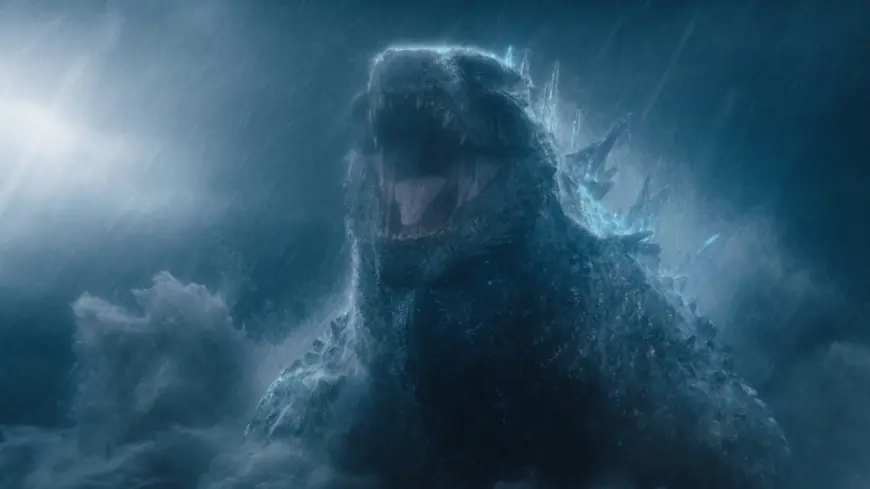
Season 2 gives far more screen time to Titans. Critics highlight a mix of Kong, Godzilla and an original creature called Titan X, all shown with feature-film-quality visual effects. Even when the two marquee monsters do not appear in a given episode, the show sustains Titan activity; that non-human focus is a structural advantage for the MonsterVerse because monsters do not require the scheduling of A-list actors and can reliably appear to give the series a cinematic texture.
Cast, characters and critical response
Monarch’s human characters earn consistent praise. The series’ human drama has been called the most compelling in the MonsterVerse since 2017’s Kong: Skull Island, bolstered by performances from Kurt Russell, Wyatt Russell, Anna Sawai and, new this season, Amber Midthunder. Reviews also single out Anna Sawai and Mari Yamamoto for anchoring the emotional core. Critics describe the season as confident and emotionally driven, balancing explosive, brutal kaiju fights with matured writing and stakes that feel personal. Some reviews note occasional exposition dumps needed to propel the kaiju-centric storyline, but overall call the season a top-shelf television outing that expands the franchise.
What makes this notable is the way the series uses its non-human stars and the television format to build connective tissue: Apex’s portrayal and Brenda’s coexistence line create cause-and-effect links that amplify the relevance of films like Godzilla: King of the Monsters and Godzilla vs Kong. The broader implication is that Monarch’s second season does more than stage cinematic monster battles — it consciously recontextualizes franchise ideas about coexistence and technological hubris while delivering the spectacle viewers expect.