
























Curious case of Daniss Jenkins leaves Pistons with troubling question as muted role continues

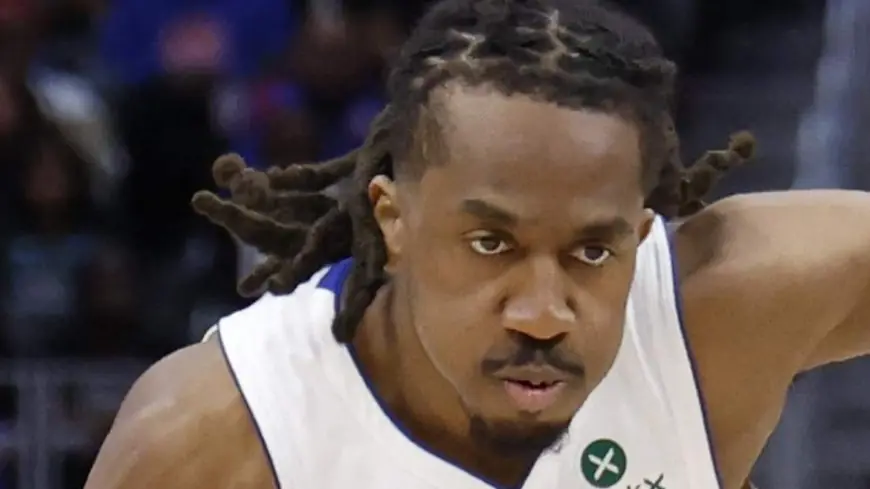
Daniss Jenkins has emerged as a revelation for the Detroit Pistons this season, earning a full-time contract and altering roster decisions, but recent form has revived a sharp question: is he reliable enough to be the Pistons' backup point guard in the playoffs? Jenkins' transition to a standard two-year deal and early impact are evident, yet a small stretch of games has highlighted alarming trends that the team must address before the postseason.
Daniss Jenkins' recent struggles: shooting slump and turnovers
The past six games since Jenkins was converted to a full-time deal paint a concerning picture. Over that span he is shooting 34 percent from the floor and just 11 percent from three-point range, a stark drop from season numbers that were closer to 43 percent overall and 38 percent from deep for most of the year. In the most recent outing referenced, Jenkins logged 21 minutes and finished with seven points (going 3-for-10 from the field, 0-for-2 from three, and 1-for-2 at the free-throw line) along with three rebounds in a loss.
Compounding the poor shooting: Jenkins has recorded more turnovers per game than assists during this stretch. He has scored in single digits in five consecutive games and has not started a contest since an earlier victory. Those data points fuel questions about his ball-handling decisions and playmaking when asked to run the offense in higher-leverage minutes.
Muted role continues — roster impact and contract context
Jenkins was described this season as a two-way contributor who forced his way into a full-time contract and a rotation spot. His presence has had real roster consequences: he stepped in and helped win games when other players were unavailable, and his emergence allowed the team to move on from Jaden Ivey and avoid a looming contract complication. That sequence of events elevated Jenkins' importance within the broader team-building picture.
At the same time, voices within the evaluation process have flagged concerns about his decision-making. Observers note that it's not only the dip in percentages that is troubling, but the underlying process—poor reads, ill-advised shot choices and a general look of being out of sorts when tasked with orchestrating the offense. Those process issues are particularly salient given the backup point guard role often requires steady, mistake-minimizing play against playoff defenses.
Outlook and what to watch next
There are two competing narratives. One frames Jenkins as a breakout, two-way find whose inconsistency has been an up-and-down pattern all season—flipping from red hot to ice cold—and therefore likely to snap out of this slump. The other emphasizes recent starts and minutes that suggest his role is, if anything, muted, and that the Pistons may need a steadier option with playoffs looming.
What to monitor in the coming games: whether Jenkins can regain his season shooting splits, reduce turnovers relative to assists, and demonstrate improved decision-making when running the offense. The team’s rotation choices and how the coaching staff deploys Jenkins in key minutes will be decisive for his playoff standing. Details may evolve as the regular season winds down and the Pistons finalize their postseason rotation plans.