

























Punch Monkey Sparks Local Debate as Japanese Zoo Responds to Viral Videos

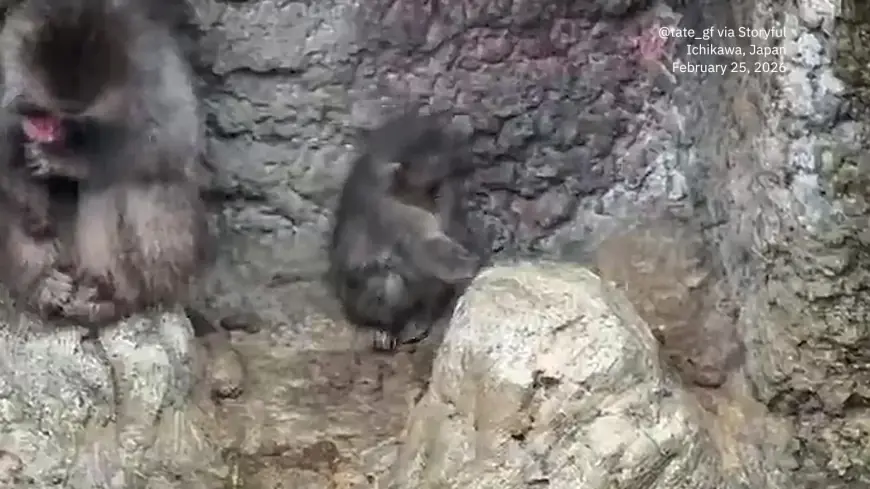
A 7-month-old primate nicknamed punch monkey has become an online sensation after multiple videos captured the infant seeking shelter from rain and reuniting with its group at a Japanese zoo. The footage has focused fresh attention on reports of hair loss among macaques and prompted the zoo to publicly address questions about enclosure conditions.
Punch Monkey sheltering captured in videos
Short clips show the 7-month-old maneuvering under cover as weather changed, then moving toward other macaques — behavior that reviewers described as both an attempt to shelter and an effort to stay with family. The presence of multiple videos has amplified the moment, turning a routine response to rain into viral material that circulated widely online.
The immediate cause — rain prompting the young animal to seek shelter — produced an effect that reached far beyond the enclosure: what began as simple, observable behavior sparked public scrutiny and an influx of attention to the animals' day-to-day conditions. The videos do more than document a single scene; they connected viewers to questions about the broader troop's welfare and how the habitat protects vulnerable infants during adverse weather.
Japanese zoo addresses macaques' hair loss and living conditions
Zoo officials have acknowledged the heightened attention and have responded to concerns about macaques' hair loss and overall living conditions. That response is an official action prompted directly by the surge in public interest after the clips circulated. The discussion now centers on whether current management and environmental provisions are adequate for young macaques and the troop as a whole.
What makes this notable is how a brief scene of an infant seeking shelter exposed longer-standing anxieties about animal care; the footage created a feedback loop in which public reaction compelled the institution to examine and explain its practices. The zoo’s decision to comment represents a clear cause-and-effect chain: viral visibility led to institutional engagement.
Observers tracking the situation have pointed to two concrete elements: the animal’s age — 7 months — and the visible signs viewers have flagged, such as hair loss among some macaques. Those details have given the conversation a tangible focus, shifting it from abstract concern to questions that can be checked and addressed by caretakers and veterinarians.
Zoo officials say they are monitoring the macaques and reviewing husbandry routines. The step of publicly addressing welfare concerns signals an intent to respond to the scrutiny, though the videos themselves remain the primary catalyst for renewed attention. The interplay between recorded behavior, public reaction, and institutional response underscores how a single young animal’s actions can prompt broader welfare assessments.
For now, the visuals of the infant sheltering and returning to its group have become the defining images of the episode. The footage has opened a window onto animal behavior at close range and pushed caretakers to explain what steps, if any, will follow from the public interest that the clips generated. The broader implication is that easily shared media can rapidly elevate routine moments into matters requiring formal responses from animal managers.