
























Grammy-Winning Band Demands ICE Remove Content in Scathing Takedown

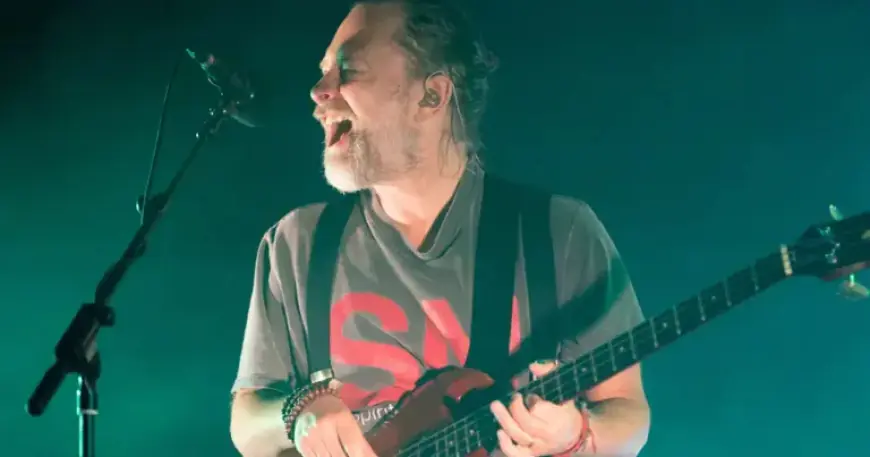
The Grammy-winning band Radiohead has taken a strong stance against the U.S. Immigration and Customs Enforcement (ICE), demanding the removal of content that uses their music to promote controversial policies. This declaration was made in a statement to NBC News on a recent Friday, highlighting the band’s disapproval of ICE’s social media tactics.
Radiohead’s Demands Against ICE
ICE posted a video on Instagram, which frames its immigration enforcement as a protective measure for American families. The video, accompanied by Radiohead’s song “Let Down,” claims that “Thousands of American families have been torn apart because of criminal illegal alien violence.” This prompted Radiohead to issue a clear response, stating, “We demand that the amateurs in control of the ICE social media account take it down.”
Context of the Controversy
Thom Yorke, the band’s lead singer, has been an outspoken critic of Donald Trump. Over the years, he has voiced his concerns about the administration’s immigration policies and other social issues. Recently, he expressed deep frustration over the appropriating of their music for what he termed “cruel and inappropriate” messaging.
Previous Incidents of Discontent
This incident is not isolated. Earlier this month, Radiohead guitarist Jonny Greenwood and filmmaker Paul Thomas Anderson publicly requested the removal of their music from a documentary on Melania Trump, alleging a breach of agreement for unauthorized use. These actions reflect the band’s consistent opposition to unapproved representation of their work.
Yorke’s Continued Opposition to Trump
Yorke’s criticism of Trump can be traced back as far as 2016 when he used Radiohead’s song “Burn the Witch” to convey his political sentiments. His statements have been direct, dubbing Trump a “f—ing clown” for pulling the U.S. out of the climate accord and warning against a world led by what he describes as “tin pot dictators.”
Conclusion
Radiohead’s stance serves as a reminder of how artists can leverage their influence to challenge political narratives. The band’s call for ICE to remove their music from promotional content highlights the ongoing conversation surrounding artistic integrity and ethical representation.