

























Monica Lewinsky Puts Grooming into Focus as Epstein files drive high‑profile depositions and political fallout

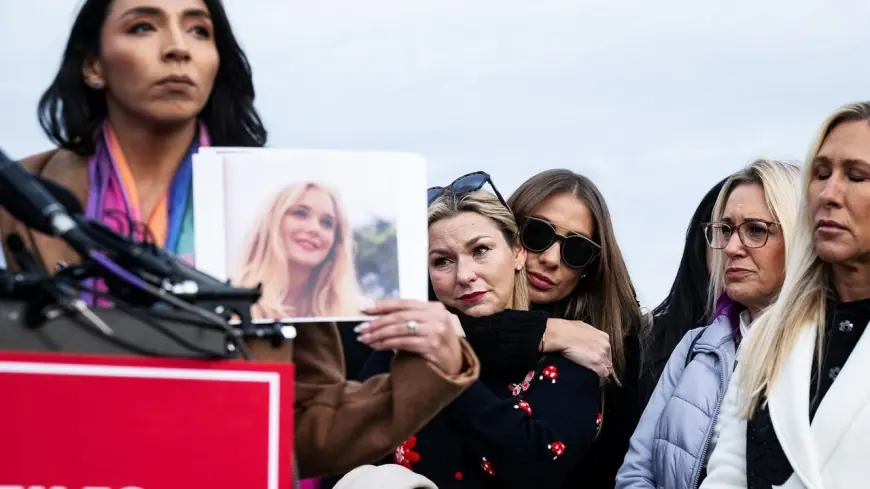
Why this moment matters: monica lewinsky used a recent piece to push the conversation away from simple blame and toward the long, manipulative process behind many exploitation cases — precisely as a wave of Epstein-related files has prompted closed-door depositions of senior figures. Her framing resurfaces a technical but urgent point about how consent is shaped, and it reshuffles the questions lawmakers and the public are now asking.
Monica Lewinsky’s emphasis on nuance shifts the conversation before the hearing details
Lewinsky’s writing foregrounds grooming as a slow, strategic process that creates perceived consent; she described a London dinner encounter where victim-blaming surfaced as a reflexive response to the files. What’s easy to miss is that this reframing puts pressure on institutions and investigators to treat evidence of coercion differently than simple compilations of images or emails. That shift matters in practical terms: it influences how testimonies are interpreted and which lines of inquiry feel urgent.
- Grooming reframed: The piece characterizes grooming as a “hidden step” that precedes trafficking, stressing manipulation over momentary encounters.
- Who this touches: survivors described in the released files, public investigators reviewing the material, and political figures whose names appear in the tranche.
- Next signals to watch for: whether depositions and transcripts shift from cataloguing presence in files to exploring patterns of manipulation and control.
- Public discourse effect: the dinner anecdote highlighted how easy narratives of victim blame can resurface even in informed circles.
Event details embedded: files, depositions, and the claims on the record
Separate developments in recent coverage show how the files have moved from revelation to oversight. A former president gave a closed-door deposition in New York, telling the panel he “saw nothing” and “did nothing wrong” in relation to the late financier at the center of the files. That testimony followed a separate deposition by his spouse, who likewise said she had no idea of the financier’s crimes. Appearing in the files was noted as not being an indication of wrongdoing; neither has been accused of misconduct by survivors who have come forward so far.
The former president was asked about a photo in the released materials showing him in a hot tub with an unidentified person; he said he did not know her and denied sexual contact related to the image. Both he and his spouse initially resisted a subpoena and characterized the panel’s action as politically motivated before agreeing to testify as potential contempt proceedings loomed. Committee leaders called the depositions historic and said transcripts and video would be released in coming days.
The hearings also tangled with other political lines: testimony raised further questions about another high-profile political figure’s connections to the financier, prompting some lawmakers to renew calls for broader questioning. The session was described by a committee chair as productive and part of a larger push to get answers and pursue accountability for victims.
Grooming, as Lewinsky stressed, is defined in the materials she discussed as a form of child sexual abuse that targets and isolates victims to build trust and control; targets are often vulnerable youth with low self-esteem or prior trauma. The contemporary term has been used in public conversation for roughly two decades and in scientific work for several decades longer, a timeline that frames why the current debate is getting new traction now.
The real question now is how investigators and legislators translate a nuance-rich understanding of grooming into lines of questioning and legal scrutiny that go beyond presence in files to explore patterns of manipulation and control.
It’s easy to overlook, but the difference between cataloguing materials and probing coercive relationships will change how these files are understood historically and legally.
If you’re wondering why this keeps coming up: the release of the files reopened debates about accountability, and commentary emphasizing grooming reframes public expectations for what testimony should establish.