
























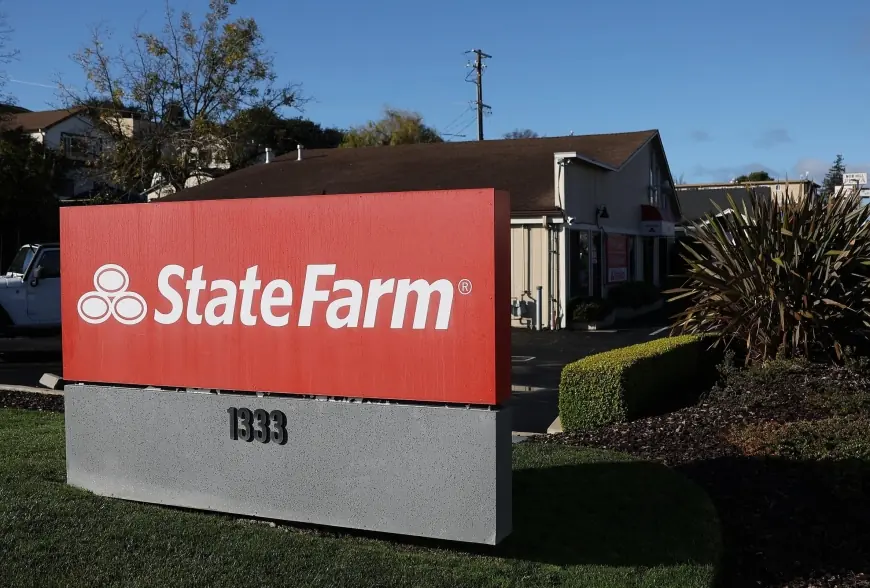
State Farm $5 Billion Cash-Back: Millions of drivers set to get about $100 per vehicle as premiums fall

Why this matters now: state farm’s decision to return $5 billion to auto customers puts immediate cash into the hands of millions of drivers while signaling faster-than-expected stabilization in auto insurance costs. The one-time distribution this summer is aimed at more than 49 million covered vehicles and will average roughly $100 per vehicle, though amounts will vary by state and by what policyholders paid in premiums.
State Farm impact: which customers see money first and how the savings stack up
Here’s the part that matters: this payout is targeted directly at people who hold auto policies, not as a policy credit but as an actual cash distribution. Policyholders do not need to take action to receive the dividend; some will get checks while others may be prompted by email to initiate a digital payment. Payments will differ by state and by individual premium history, so the average near $100 per vehicle is an overall guide, not a guarantee for every driver.
Lower auto rates helped create room for the dividend. Rate reductions averaged about 10% in the states that saw cuts, totaling roughly $4. 6 billion in savings on premiums. That combination—reduced premiums plus a one-time cash dividend—is the direct consumer impact to watch this summer. The real question now is whether the easing trends that enabled these moves hold long enough for further rate relief or repeat distributions.
What’s easy to miss is that the payout format matters: because the company will not issue the cash back as a policy credit, the money functions as immediate spending power for households rather than an offset against future premiums. For drivers juggling repair bills, medical expenses or other costs, that difference is meaningful.
Details of the announcement and the financial backdrop
- Dividend amount: $5 billion in a one-time distribution scheduled for this summer.
- Scope: the distribution covers customers across more than 49 million vehicles insured under the company’s auto policies.
- Average payout: around $100 per vehicle; actual amounts will vary based on state and premiums paid.
- Payment mechanics: recipients may receive a mailed check or an email prompting a digital payment; the cash back will not be issued as a credit to policies.
- Rate and premium context: the company lowered auto rates in 40 states, with rate reductions averaging roughly 10% and total premium savings estimated at $4. 6 billion for customers.
- Financial performance snapshot: revenue increased to $132. 5 billion in the most recent year reported, up from $123 billion the prior year; net income rose to $12. 9 billion from $5. 3 billion.
Downward trends in auto repair costs and a reduction in collision frequency in 2025 were cited as the operational conditions that enabled both rate cuts and the dividend. Consumer price index movement for motor vehicle insurance also showed small month-to-month and year-over-year changes during the most recent reporting period, underlining a softer short-term pricing environment for the line.
Embedded timeline:
- Prior year: revenue and net income reflect the company’s recent financial turnarounds (revenue rose from 123 billion to 132. 5 billion; net income rose from 5. 3 billion to 12. 9 billion).
- 2025: collision frequency and repair-cost trends eased, allowing rate reductions in 40 states and contributing to premium savings of about 4. 6 billion.
- This summer: the $5 billion one-time dividend will be distributed to eligible auto policy customers across more than 49 million vehicles.
If you’re wondering why this keeps coming up: the company framed the move as customer-first cash back paired with demonstrated financial strength. That mix—consumer relief plus a healthy earnings backdrop—explains both the scale of the payout and the company’s decision to deliver it as cash rather than as rate credits.
Signals to watch in the months ahead include whether repair-cost and collision trends continue to ease and whether premium reductions persist beyond the recent adjustments; those trends will influence whether customers see further relief or a return to earlier pricing pressures.
The bigger signal here is that a major insurer is using both premium reductions and a large cash dividend to convert improved underwriting performance into direct consumer relief—an approach that changes the immediate financial equation for many drivers.