























Donnie Wahlberg Defends Blue Bloods Legacy and Pushes Back on Boston Blue Backlash While Reflecting on Saying Goodbye to Danny

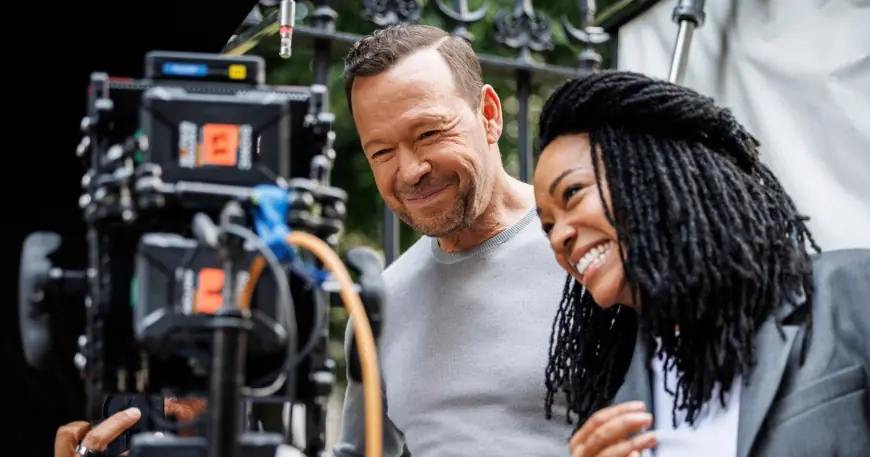
Donnie Wahlberg says he was devastated when Blue Bloods ended and has poured that loyalty into the spinoff Boston Blue, defending the show’s creative choices and urging skeptical fans to give the new chapter a chance.
Donnie Wahlberg on Boston Blue backlash and defending the Blue Bloods legacy
Wahlberg has been open about how hard it was to accept Blue Bloods’ cancellation after 14 seasons in 2024; he has described himself as deeply disappointed and said he fought hard to keep the original series going. That grief informed his thinking when the opportunity to continue Danny Reagan’s story came up. He walked away from the parent series, worked on the pilot script with the creators Brandon Margolis and Brandon Sonnier, and sought ways to make Danny’s move to Boston feel authentic while still surprising.
Boston Blue, which premiered in October 2025 and returned from its winter break on Friday, February 27, relocates Danny to Wahlberg’s real-life hometown. The series follows Danny as he settles in to look after his son Sean, and it has already been renewed for a second season. Wahlberg framed the new setting as an opportunity to make the character a fish out of water: Danny is no longer in control in the same way, he’s a guest at someone else’s table, and those adjustments make the role more interesting for the actor and narrative.
Sean recasting, fan reaction, and Wahlberg’s response
One of the clearest flashpoints has been the recasting of Sean, with Mika Amonsen stepping into the role after Andrew Terraciano. Fans expressed frustration over the change, and Wahlberg has pushed back on that backlash while praising both performers. He emphasized Andrew’s graciousness in the transition, noting that Andrew was supportive and even offered to help find the right person for the part. Wahlberg also commended Mika for approaching the role thoughtfully and for showing respect for the actor who previously inhabited the character.
Wahlberg has encouraged viewers who remain unconvinced to watch the midseason premiere, which he calls his favorite episode so far, as a way to see the recasting handled with care and to appreciate the direction the show is taking.
Faith, family and what Boston Blue is trying to preserve
Faith remains a throughline in the new series, though it manifests differently than Danny’s Irish-Catholic upbringing depicted on Blue Bloods. Wahlberg stressed that the Reagan traditions endure even when characters are hundreds of miles from New York: they continue to honor long-standing practices and adapt them to new family dynamics. That continuity of faith and family is presented as central to Danny and Sean’s identities and to the emotional stakes the spinoff seeks to sustain.
Practically, Wahlberg credits the creative process—particularly his collaboration on the pilot—with making the move to Boston plausible for Danny. The new environment introduces different accents, local rivalries, and manners of conversation that force the character to adapt, and those adjustments are part of the show’s aim to deepen the portrayal rather than simply transplant the old series to a new city.
With the show renewed for a second season and midseason episodes already generating debate, Wahlberg has positioned himself as a defender of the franchise’s legacy and an advocate for Boston Blue’s new direction. He has been candid about the emotional cost of saying goodbye to long-running relationships on set and about his commitment to fighting for what he believes honors the characters and the fans.
Recent updates indicate the story and casting choices remain points of discussion; details may evolve as the second season progresses.