

























Burger King Whopper Changes Signal Menu Upgrade, New Packaging and 'Patty' AI Rollout

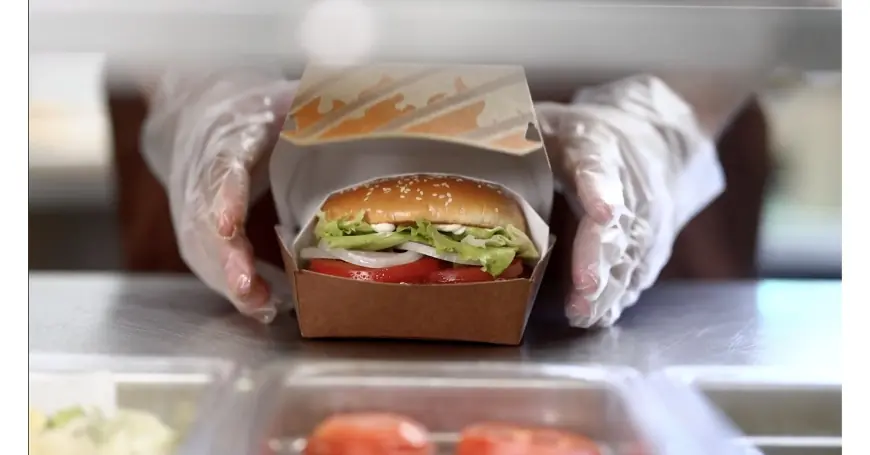
The company has implemented burger king whopper changes that elevate the sandwich’s bun, toppings and packaging while advancing broader operational and franchising moves. The timing matters because the menu updates are the first major Whopper revision in nearly 10 years and arrive alongside a new restaurant headset AI and a refranchising push.
Tom Curtis on Guest Feedback
Tom Curtis, President of Burger King U. S. & Canada, framed the updates as the result of direct Guest feedback gathered through initiatives that invited Guests to call or text him. Curtis said the chain spent recent years strengthening operations and modernizing restaurants, and that foundation allowed the brand to "thoughtfully elevate" its core menu without reinventing the Whopper. The company highlighted a development process that spanned years and testing in select markets before the broader rollout.
Whopper Recipe and Packaging
The Whopper remains served with more than a quarter-pound of 100% flame-grilled beef, but the sandwich now features a more premium bun — described in company materials as a glazed bun — and a reformulated, creamier mayo. The chain promised freshly cut onions and tomatoes, crisp lettuce, tangy pickles and better-tasting mayo, emphasizing that the updates refine the sandwich while keeping the meat and core toppings unchanged. The previous paper wrapping has been replaced with a box designed to preserve the sandwich’s integrity from kitchen to Guest.
These burger king whopper changes were described as enhancing flavor balance and consistency; company statements linked the packaging switch explicitly to ensuring the Whopper arrives at the same quality at which it left the kitchen. The upgrade is billed as the first significant change to the Whopper in nearly a decade.
Patty AI and Kitchen Operations
As part of the same strategic push, the brand is deploying a voice-AI tool for restaurant headsets called "Patty. " Built on an OpenAI voice model, Patty is intended to unify point-of-sale, kitchen equipment, inventory and digital ordering into a single operational command center. The tool is programmed to remove out-of-stock items from digital menus and the brand’s app, answer questions about menu preparation and product details, and analyze drive-thru audio to promote order accuracy and provide coaching insights.
Company communications say Patty can assist workers and managers, help prevent stockouts in digital channels, and provide coaching without interrupting service. The rollout of this automation is presented as an operational complement to the menu work and part of broader modernization efforts.
Reclaim the Flame Strategy and Refranchising
These moves sit under the longer-running Reclaim the Flame program, which the parent company intends to continue with renewed emphasis on core menu quality and accelerated refranchising. Executive materials list four strategic shifts: changes to core menu items, broader operational use of artificial intelligence, extending a higher marketing fee rate, and continuing the refranchising of restaurants formerly operated by Carrols.
The company framed these initiatives as a continuation of multi-year efforts to reposition and modernize the brand in its core market.
Franchise Economics, Testing and Brand Signals
The brand said the Whopper updates were tested in select markets and performed well after years of development. It declined to disclose specific impacts on cost-of-goods-sold for franchisees, but noted that both the company and franchisees have invested in the sandwich and worked to ensure costs did not increase. The chain emphasized a focus on boosting four-wall profits for franchisees in the wake of several major operator bankruptcies.
A correction to the initial product announcement removed the phrase "and free of artificial colors, flavors and preservatives" from the third paragraph of company materials. The company also referenced last year’s launch of a "Whopper by You" platform and indicated new Guest-inspired creations followed that effort; the provided context for that comment is unclear in the provided context.
What makes this notable is the convergence of menu craftsmanship and automation: the company is pairing a visible product upgrade — a new glazed bun, creamier mayo and boxed packaging for a sandwich served with more than a quarter-pound of flame-grilled beef — with back-of-house AI meant to protect operational consistency and digital ordering accuracy. The broader implication is that the brand is using product-level changes and technology together to shore up value and reliability for Guests and franchisees.
The company’s statements also reiterated the brand’s scale: it was founded in 1954 and operates more than 19, 000 locations in more than 120 countries and U. S. territories, with nearly all restaurants owned and operated by independent franchisees. Guests were invited to try the updated Whopper and to engage with the brand through its loyalty program and other channels.