























Yogurt Shop Murders Solved: Families Reach Emotional Closure After a Cold Case Finally Moves Forward

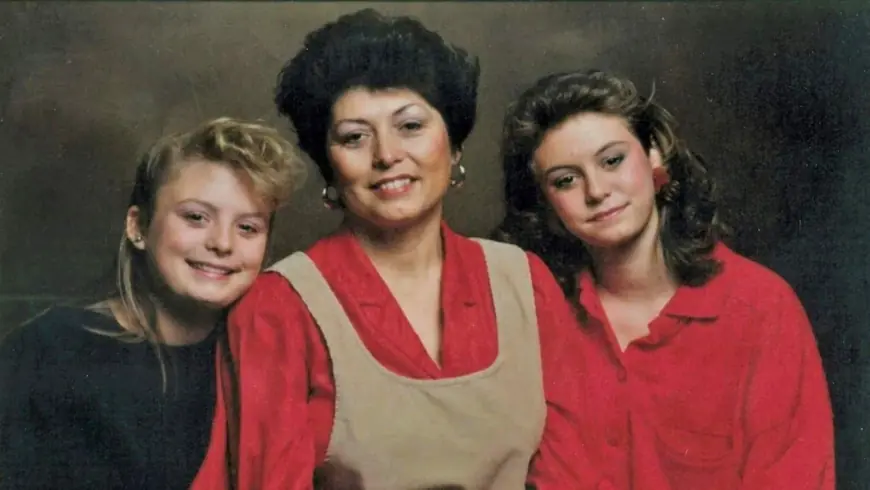
The announcement that the yogurt shop murders solved has brought a rare, wrenching form of closure to families who spent decades waiting for answers. For parents and siblings, the change is practical and emotional: names cleared, a suspect identified through new forensic work, and a public conversation about how the community lost its sense of safety in the early 1990s. Here’s the part that matters — survivors and relatives are now confronting both relief and unfinished questions.
Yogurt Shop Murders Solved: Immediate impact on families, exonerations and community healing
The identification of a suspect after more than three decades led investigators to formally clear four earlier suspects in February 2026, and law enforcement made contact with the victims’ families as the case advanced. The practical impacts are tangible: people who had been under suspicion are no longer treated as suspects, and long-running public curiosity has shifted toward the families’ need for dignity and answers. Community rituals of remembrance have resumed in a different key; victims are being publicly remembered with renewed attention to their lives, not just the crime.
Victims’ relatives have described how the case erased a degree of local innocence and left a lasting wound. Families sustained efforts over the years — from billboards and tip lines to rewards — that kept the case in public view even as conventional leads grew cold. What's easy to miss is how persistent those small, labor-intensive efforts were in preserving traces of the case until technology and investigative focus changed the trajectory.
Evidence, timeline and the investigative breakthroughs behind the shift
What can be stated from available records: on December 6, 1991, four teenage girls who had been working at and were closing a frozen yogurt shop did not make it home after planning a sleepover. First responders were alerted to a fire at the shop late that night and, after extinguishing the blaze, discovered charred remains. Investigators concluded the girls had been shot execution-style, found nude and tied, and that there was evidence of sexual assault. The victims named in public materials are Amy Ayers, Jennifer Harbison, Sarah Harbison and Eliza Thomas.
- Dec. 6, 1991: Fire at the frozen yogurt shop; responders find the four victims.
- About eight days after the crime: a 15-year-old, Maurice Pierce, was found carrying a. 22 firearm; he named friends who were questioned and later dismissed.
- 2017 and beyond: advanced testing addressed earlier possible DNA matches and investigators pursued newer forensic routes; later testing on a shell casing and a victim’s fingernail contributed to identifying a deceased suspect.
Early investigative steps included questioning several teenagers, administering polygraph tests to some individuals, and dismissing those initial suspects when no physical links emerged. Over the years, forensic methods evolved; investigators used firearms databases and DNA testing on crime-scene material to pursue leads. That chain of work ultimately tied evidence to a deceased individual identified publicly as a suspect. The investigation remains active and officials have asked for patience as they continue working through next steps.
A docuseries in August 2025 renewed public interest in the case, and a televised special in late February brought renewed national attention to the victims and the investigative developments. The public retelling has amplified family voices after decades of private grief.
The real question now is how investigators and communities translate identification into lasting accountability and support for families. With prior suspects cleared in early 2026 and a new suspect identified through forensic work, the immediate technical hurdles have shifted into legal and emotional terrain: confirming the chain of evidence, handling any outstanding investigative threads, and addressing victims’ families’ needs for recognition and safety.
Key takeaways: the case shifted from decades-long uncertainty to a new phase in which four previously suspected individuals were exonerated and investigators identified a deceased suspect based on modern forensic testing. That transition has altered how the families and the community can remember the victims and pursue closure.
It is important to note that details are still emerging and the investigation is ongoing; public statements indicate work continues and may produce further developments. The adults who lost daughters in 1991 are now navigating a mixture of relief, sorrow, and the return of painful memories as the case moves into this next chapter.
It’s easy to overlook, but decades of small, stubborn efforts by families—billboards, tip lines, rewards—were what kept the case alive until technology and focused investigation made new progress possible.