























Ucl Draw Repeats Old Rivalries and Sets Familiar Path to Budapest Final

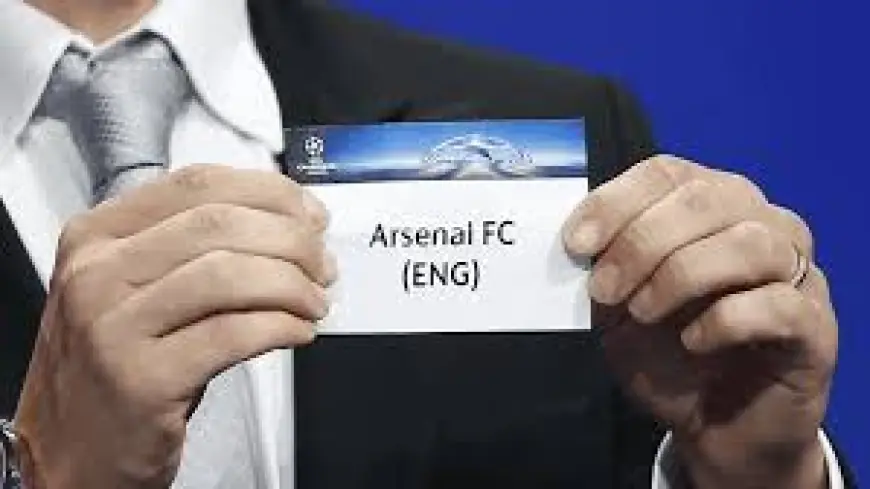
The ucl draw reopened a sequence of recent rematches and mapped a clear route to the final in Budapest, turning routine bracket news into a reminder: many of these ties are reruns of very recent meetings. That rearranges priorities for managers, fans and fixture planning — and makes some early knockout ties feel more like continuation than reset. Here’s the part that matters: a handful of headline matchups already carry recent history and direct consequences for the quarter-finals.
Ucl Draw — why these ties feel like repeats
For several teams this stage is not a fresh test but a sequel. Chelsea will face Paris Saint-Germain, a tie that directly echoes last summer’s Club World Cup final in New Jersey where Chelsea beat PSG 3-0. Manchester City and Real Madrid will meet again in the knockout phase for the fifth consecutive season, and Man City’s December win in Madrid marked their ninth meeting with Real since April 2022. Liverpool, Newcastle and City all face opponents they met in the league phase this season, so tactical familiarity and recent form will shape preparations more than long-term scouting.
Key matchups, scheduling and immediate logistics
The last-16 pairings spelled out several heavyweight clashes: Chelsea v Paris Saint-Germain; Manchester City v Real Madrid; Arsenal v Bayer Leverkusen; Newcastle United v Barcelona; Liverpool v Galatasaray; and Tottenham v Atlético Madrid. Six Premier League clubs qualified for the last 16 but there are no all-English ties. Newcastle host Barcelona in the first leg, while the Premier League clubs that qualified automatically will play their second legs at home.
- First legs: 10 and 11 March (ET).
- Second legs: 17 and 18 March (ET).
- Final: Puskás Arena, Budapest, Hungary — Saturday, 30 May.
Route mapping and medium-term implications
The competition bracket is already linked: if Newcastle and Tottenham both progress they would meet in a quarter-final, and Chelsea and Liverpool occupy the other quarter-final path. Arsenal finished the league phase unbeaten in terms of wins — the only team to win all eight games — with Bayern Munich three points behind. If Arsenal overcome Bayer Leverkusen, they would then face either Sporting or Bodø/Glimt in the last eight. A statistical rating model gives Arsenal a 27. 40% chance to win the tournament, with Bayern at 14. 28%.
Managerial and player backstories that sharpen the ties
Chelsea’s last-16 with PSG carries managerial and roster echoes: Chelsea were the Club World Cup winners over PSG, with two goals from Cole Palmer in that final and that team having been managed by Enzo Maresca at the time. Chelsea’s director of football framed the return as a tough opener that does not inspire fear, urging a game-by-game approach. At Manchester City, the matchup with Real is framed as a big game — the club’s director of football called it ‘like a final’ and welcomed the repeat trip. Guardiola faces a fresh tactical variable in Álvaro Arbeloa, who replaced Xabi Alonso as Real Madrid’s head coach in January; Guardiola noted the change adds a new element and that the game will be truly difficult because of the opponent’s quality.
On the other side, Liverpool highlight that their second leg at home is an advantage tied to Anfield’s atmosphere, an advantage the club’s ambassador explicitly underlined. Tottenham’s tie with Atlético Madrid is complicated by domestic priorities: Spurs are described as likely to be prioritising Premier League survival, and Conor Gallagher faces a quick reunion with Atlético after joining Spurs from that Spanish club in January. Atletico’s manager and Tottenham’s coach know their sides are aiming for a quarter-final slot against either Barcelona or Newcastle.
Recent meetings, oddities and areas labeled developing
Several ties have direct, recent precedents: Chelsea v PSG repeats the Club World Cup final; City’s December win in Madrid continues a long run of meetings with Real; Liverpool’s Istanbul rematch with Galatasaray follows a September league-phase defeat in Turkey. Some contextual details in coverage of past meetings are unclear in the provided context and require clarification — for example, the description of a September meeting at St James’ Park includes references that do not align cleanly with other listed teams and should be treated as developing until resolved.
It’s easy to overlook, but the bracket’s structure ensures certain potential quarter-finals are already set by the draw: Newcastle v Tottenham and Chelsea v Liverpool are possible crossovers that will determine half-bracket dynamics and travel patterns for the spring knockout schedule.
Writer’s aside: What’s striking is how many last-16 ties are immediate rewinds of very recent fixtures — that compresses turnaround times for tactical counters and heightens the premium on short-term form.
Key takeaways for stakeholders: fans of the involved clubs will feel the impact first through travel and fixture congestion; managers must adapt to opponents they have just faced; and the bracket makes at least two high-stakes domestic rematches (City–Real and Chelsea–PSG) central to the path to Budapest.