

























Bill Clinton Deposition: Former President Denies Knowledge of Epstein Crimes, Says Forcing Hillary to Testify Was 'Not Right'

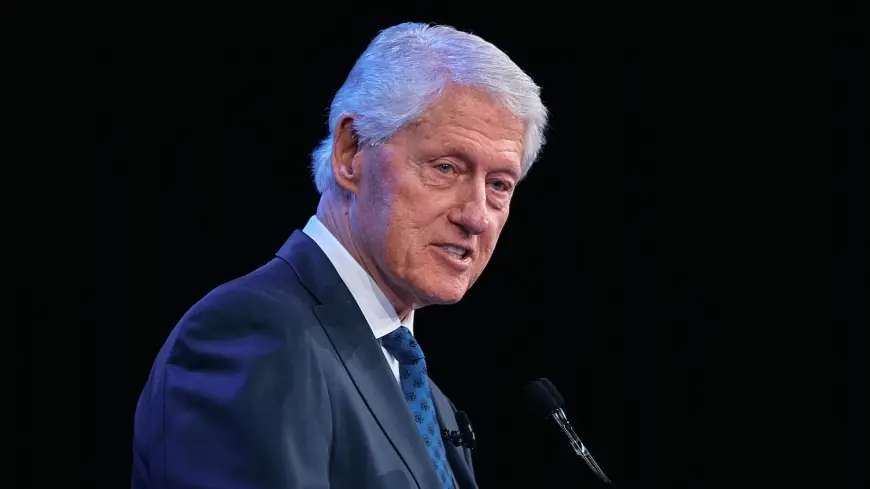
The bill clinton deposition took place behind closed doors in Chappaqua, New York, where the former president denied any knowledge of crimes committed by Jeffrey Epstein and criticized the committee for compelling his wife to testify. The session, the first time a former president has been compelled to appear before a congressional panel, set in motion Republican plans for additional witnesses and a potential public release of video within a narrow timeline.
Bill Clinton Deposition in Chappaqua
In an opening statement released after the session, the former president said he would often respond "I do not recall" during questioning because the events were "all a long time ago, " and declared, "I saw nothing, and I did nothing wrong. " The closed-door deposition was conducted on Friday by the Republican-led House Oversight Committee and marked a historic moment as the first compelled congressional testimony by a former president.
James Comer Calls Testimony 'Very Productive'
Oversight Committee Chairman James Comer and Republican members described the day as a "very productive deposition" when they left the proceedings. Comer said the president "answered every question or attempted to answer every question" and praised Clinton's demeanor, noting that "Everybody knows President Clinton. He's got southern people skills, he's a charming individual. " Comer added that the committee plans to release video of both Clintons' depositions "hopefully in the next 24 hours, " while acknowledging no specific timeline beyond that window.
Photos of Jeffrey Epstein and Ghislaine Maxwell Were Raised
Members questioned the former president under oath about his relationship with Jeffrey Epstein and about photographs that show him alongside Epstein and Ghislaine Maxwell. Maxwell has been sentenced to 20 years in prison for sex trafficking and other crimes. The committee has focused part of its inquiry on contacts with Epstein after his first conviction, and Comer emphasized interest in anyone who spent time with Epstein post-conviction, pressing the question: once people knew Epstein was a sex offender, why did they continue a relationship?
Hillary Clinton's Thursday Deposition and Bill Clinton's Reaction
The former president's testimony followed a Thursday deposition by Hillary Clinton. In her session, she said she did not know Epstein, could not recall ever encountering him and never visited his island or his home or office. Bill Clinton said he had to "get personal" in his statement and blasted the committee for forcing his wife to answer questions, asserting that "You made Hillary come in. She had nothing to do with Jeffrey Epstein. Nothing. She has no memory of even meeting him. She neither traveled with him nor visited any of his properties. " He added that "Whether you subpoenaed 10 people or 10, 000, including her was simply not right. "
Democratic Response and Committee Next Steps
Both Republicans and Democrats on the panel described the former president as cooperative. Rep. Robert Garcia, the top Democrat on the committee, said Clinton had been "pretty interested in answering, I think, all the questions of both the Republicans and the Democrats. " Chairman Comer said the committee intends to bring more individuals in to testify as it digs further into relationships with Epstein, and he reiterated an interest in examining contacts after Epstein's first conviction. Comer relayed these investigative priorities directly to journalist Rachel Scott while outlining the committee's next moves.
What makes this notable is the combination of precedent and process: the committee's decision to compel a former president into a closed-door deposition not only underscores the scope of its inquiry but also produced immediate, concrete actions — plans for additional testimonies and a prospective video release within 24 hours — that will shape public access to the proceedings. The timing matters because the sequential depositions of Hillary Clinton and then Bill Clinton concentrated the committee's scrutiny on the couple's ties to Epstein and set a rhythm for follow-up witnesses and potential disclosures.
The bill clinton deposition therefore serves both as a focal point for the committee's investigation into post-conviction associations with Epstein and as a prompt for further oversight activity, with Republicans signaling a drive to expand testimony and Democrats calling attention to the former president's cooperation under oath.