
























What Is Anthropic — Why the Pentagon standoff and a political blacklist push matter to tech and national security

The question of what is anthropic has moved from academic debate into a flashpoint affecting regulators, tech workers and political actors. The rapid sequence of headlines shows a standoff with the Pentagon, a possible presidential blacklist measure, and corporate-level diplomacy — all squeezing the company and those who interact with its systems. Here’s who is first in the squeeze and why this matters now.
What Is Anthropic’s immediate impact: agencies, employees and political pressure
For agencies managing sensitive systems and for employees inside adjacent firms, the current coverage signals immediate operational and reputational pressure. If government bodies escalate enforcement or blacklist moves proceed, procurement, partnerships and workplace morale could be affected. For tech staff watching their employers’ posture, the combination of public criticism and political moves raises questions about vendor risk and corporate responses.
Event details and the headline timeline
Three distinct headlines have framed the recent story and mark where the pressure is coming from. Each headline carries its own emphasis and a published time stamp that tracks how quickly the issue evolved:
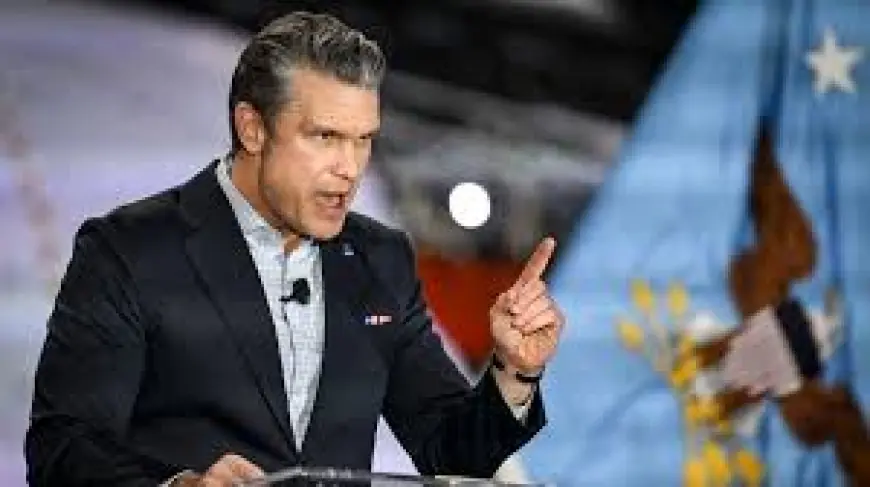
- "Pentagon Attacks Anthropic Chief as Deadline Looms in Standoff" (published 5 hours ago)
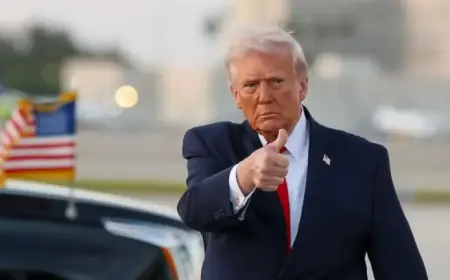
- "Trump moves to blacklist Anthropic over AI fight with Pentagon" (published 30 minutes ago)
- "Sam Altman aims to 'help de-escalate' tensions with Pentagon as OpenAI employees voice support for Anthropic" (published 3 hours ago)
Here’s the part that matters: those three lines show a squeeze from security critics, an explicit political escalation, and a concurrent attempt at corporate-level de-escalation — all visible in hours, not days.
Pressure vectors: military scrutiny, political action and peer-company responses
The standoff with the Pentagon centers on criticism directed at Anthropic’s leadership while a deadline is described as looming, creating a concrete regulatory pressure point. Simultaneously, a political actor has moved to blacklist Anthropic, adding a legislative or executive pressure channel that could alter market access. At the same time, a tech leader is seeking to help de-escalate tensions, and employees at a peer company have publicly voiced support for Anthropic, signaling industry solidarity that complicates any simple resolution.
Key takeaways
- The situation is multi-directional: military critique, political targeting, and industry-level responses are all active.
- Operational impacts would hit procurement and partnerships first, then ripple to workforce morale and vendor risk assessments.
- Political moves to blacklist a firm can change its access to government contracts and relationships in weeks if implemented.
- Corporate diplomacy and employee advocacy are likely to shape public perception and could blunt or amplify official actions.
Signals to follow and uncertainties in play
The real question now is which pressure point becomes decisive: will the Pentagon deadline lead to formal restrictions, will the political blacklist move gain traction, or will corporate de-escalation keep interactions steady? The sequence of headlines suggests all three tracks are active but their outcomes remain unclear in the provided context. If further moves narrow vendor access or prompt policy clarifications, that will confirm a longer-term shift in how such firms are governed.
It’s easy to overlook, but the interplay between a military critique, an explicit political action and company-level diplomacy is rare to see compressed on this timeline; that compression increases the chance of abrupt operational impacts for partners and customers.
If you’re wondering why this keeps coming up, note that the three recent headlines — the Pentagon attack and looming deadline, the presidential blacklist motion, and the de-escalation effort with employee support — together create overlapping pressure that could change Anthropic’s standing with both government and industry in the short term.