























LaTroy Lewis Fired by Falcons After Sexual Assault Allegations Surface

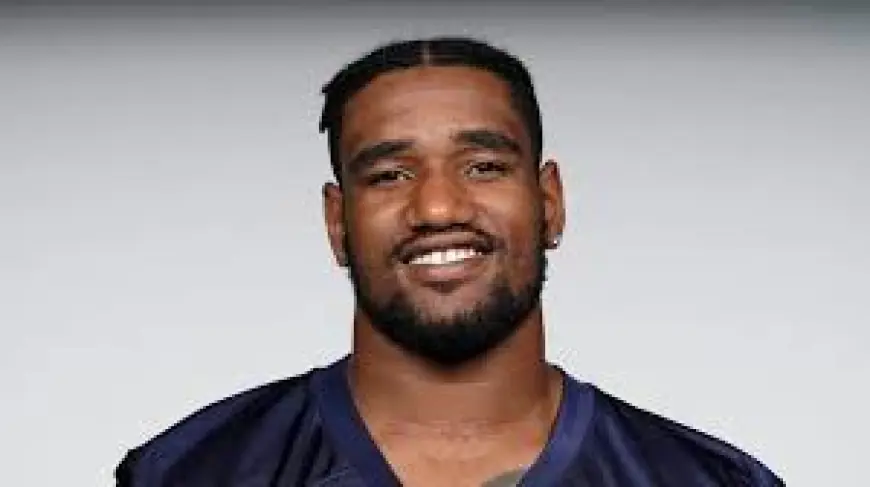
The Atlanta Falcons dismissed assistant defensive line coach LaTroy Lewis on Friday, February 27, 2026 (ET), days after he joined the staff and shortly after allegations of sexual assault and harassment from his time at the University of Michigan spread widely online. Police in Ann Arbor, Michigan are investigating the claims, placing Lewis at the center of a rapidly escalating case that has moved from social media posts to a formal law-enforcement inquiry.
Falcons Cut Ties Within Weeks of Hiring
Lewis was hired earlier this month as part of Atlanta’s offseason coaching staff buildout. His employment ended abruptly once the allegations gained traction and the team began gathering information. By Friday afternoon, the Falcons confirmed he was no longer on staff, an unusually swift move that reflects how teams increasingly respond to serious allegations—especially when investigations are active and public scrutiny is intense.
The firing also underscores the NFL’s broader sensitivity to off-field controversies involving violence or sexual misconduct claims, even when the accused has not been charged. Teams face pressure from fans, sponsors, and the league office to demonstrate immediate action and risk management.
What the Allegations Say and Where the Investigation Stands
The allegations involve a woman who says she met Lewis through a dating app in December 2024 while Lewis was working at Michigan. The woman alleges a sexual assault occurred and describes subsequent threatening or aggressive contact. Police have confirmed an active investigation in the Ann Arbor area.
No criminal charges have been publicly announced as of Saturday, February 28, 2026 (ET). The case is in the investigative phase, which typically includes interviews, review of digital communications, and any available medical or forensic documentation. The public record at this stage remains incomplete, and key details may be clarified if authorities file charges or close the matter without further action.
Michigan Coaching Links Add Fuel to the Story
Lewis’s coaching path has included multiple college stops, but the Michigan connection is central to the current controversy because the alleged incident is tied to that period. The case has also intensified conversation about how collegiate athletic departments handle complaints involving staff, including who is notified, what internal steps are taken, and how responsibilities differ for supervisors and administrators.
The renewed focus comes as major programs across the US face growing demands for clearer reporting pipelines, stronger documentation, and more transparent accountability standards when serious allegations involve employees.
Who LaTroy Lewis Is: Playing Career and Coaching Background
LaTroy Lewis, 32, is a former University of Tennessee linebacker who had brief stints in pro football before moving into coaching. His coaching résumé includes graduate assistant and analyst roles, followed by position-coach responsibilities that helped put him on the radar for an NFL staff opportunity.
For many fans in the US, this story lands at the intersection of sports and workplace accountability. In the UK, Canada, and Australia—where American football and college sports coverage is more selective—the case is still drawing attention because it reflects a familiar pattern in global sports: how institutions respond when allegations emerge after hiring decisions are already made.
Key Dates in the LaTroy Lewis Timeline (ET)
| Date | Event |
|---|---|
| Dec. 2024 | Alleged incident connected to Lewis’s time at Michigan |
| Early 2025 | A separate dispute prompts a police response in Michigan (as described in the complaint narrative) |
| Feb. 10, 2026 | Lewis joins the Falcons coaching staff |
| Feb. 27, 2026 | Falcons dismiss LaTroy Lewis; Ann Arbor police confirm an active investigation |
What Happens Next for the Falcons and the Case
For Atlanta, the immediate next step is operational: reassigning responsibilities on the defensive line staff and managing reputational fallout. Teams often tighten internal vetting practices after high-profile incidents, especially when allegations relate to prior workplaces and the information becomes widely public after a hire.
For Lewis, the next phase depends on law enforcement. If charges are filed, the case moves into court proceedings. If not, the investigation could still continue while authorities review evidence. Either way, the public timeline is likely to be shaped by official updates from police and, potentially, civil filings.
The outcome will also influence a larger conversation inside American sports about how quickly organizations act, how thoroughly candidates are screened, and how institutions balance due process with public accountability when allegations are serious and the spotlight is immediate.