























Pakistan Strikes Afghanistan; Taliban Open to Talks After Bombings in Kabul and Kandahar

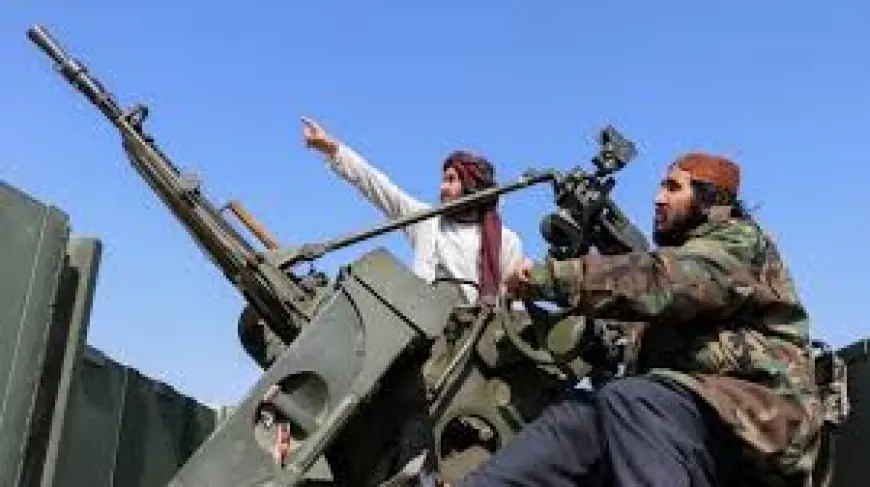
Pakistan has carried out strikes inside Afghanistan that have been framed as an "open war" against the Taliban government. The Afghan Taliban have signalled openness to talks after bombs hit Kabul and Kandahar, but key operational and political details are unclear in the provided context.
Pakistan strikes and the phrase "open war"
One headline presents the action as Pakistan striking Afghanistan in what it calls an "open war" against the Taliban government. A separate prompt asks what that label — "open war" — actually amounts to, highlighting a definitional and legal question about scope and intent. The wording alone elevates the episode beyond routine cross-border exchanges and places emphasis on whether the strikes mark a sustained campaign rather than isolated incidents.
Kabul and Kandahar bombings
Another headline links the strikes to bombings in Kabul and Kandahar and states that the Afghan Taliban have become open to talks after those events. The two place names — Kabul and Kandahar — are the specific locations identified in the material provided. How those strikes were executed, their timing, the units involved, and any casualty or damage figures are unclear in the provided context.
Afghan Taliban openness to talks
The Afghan Taliban are named explicitly as being "open to talks" in the wake of the bombings. That creates a cause → effect chain in the available material: Pakistan bombs Kabul and Kandahar (cause); the Afghan Taliban signal willingness to engage in discussions (effect). Whether the Taliban’s openness represents a shift in posture, a tactical pause, an opening for mediated diplomacy, or a short-term response to pressure is unclear in the provided context.
What details are missing and why it matters
Multiple crucial facts are not present. Casualty counts, dates and times of the strikes, the identity of Pakistani units or decision-makers directing the operations, any Pakistani official statements, and whether third parties or mediators are involved are all unclear in the provided context. The absence of those measurable details makes it impossible to determine the scale, legal basis, or likely durability of the claimed actions and of the Taliban’s stated willingness to talk.
How the framing shapes implications
Framing matters: labelling the events as an "open war" elevates the political stakes and could influence regional and international responses even where operational details remain sparse. What makes this notable is the juxtaposition of kinetic action — identified as strikes on Kabul and Kandahar — with an apparent opening to negotiation from the Afghan Taliban; that combination suggests tactical aims that may extend beyond immediate battlefield effects, though the precise objectives are unclear in the provided context.
Next steps that are not yet detailed
The available material points to three discrete claims: Pakistan strikes in Afghanistan described as an "open war"; a question about what that phrase means in practice; and the Afghan Taliban being open to talks after bombs hit Kabul and Kandahar. What follows from those claims — whether meetings will be arranged, whether ceasefires will be proposed, whether third-party mediators will be engaged, or whether the strikes will continue — is unclear in the provided context.
Until operational timelines, official statements from named Pakistani authorities, and any confirmation from Afghan Taliban spokespeople are supplied, the situation remains defined by strong language and sparse verifiable detail. Pakistan’s actions as presented and the Taliban’s stated willingness to talk form the core narrative, but many consequential facts are currently missing.