
























Sainsburys to cut 300 head‑office jobs as it restructures tech team and Argos deliveries

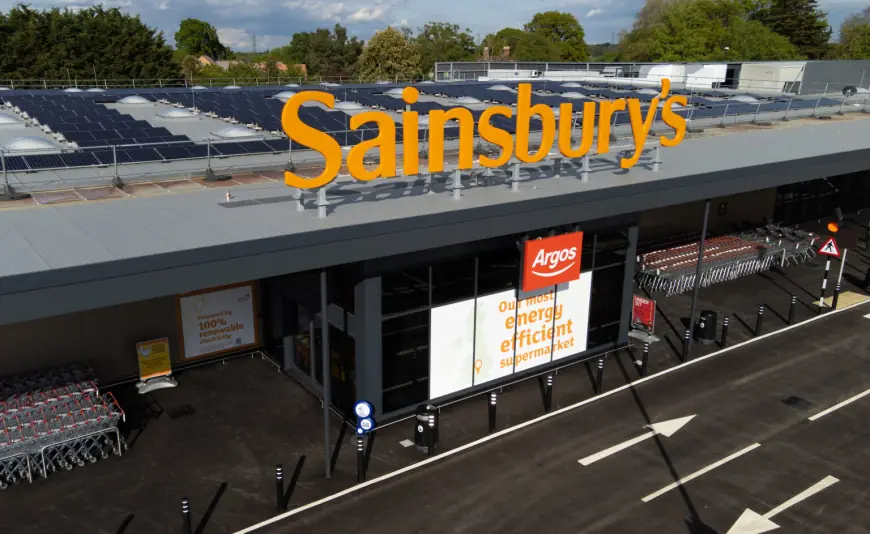
sainsburys is putting around 300 head office roles at risk as it restructures its technology and data functions and overhauls the Argos delivery network — a move designed to separate the supermarket and Argos businesses and to sharpen operational focus.
Sainsburys tech restructure and rationale
The group says most of the cuts fall within technology and data, where the business is consolidating routine reporting tasks and reorganising teams into one dedicated unit for Argos and two teams for the supermarket. The change is presented as part of a wider push to free teams to focus on core retail priorities while maximising data and technology investment.
Details of the Argos delivery overhaul and leadership changes
Changes to Argos include a restructure of local delivery hubs and an overhaul of the same‑day home delivery model. Local warehouse teams will be reorganised, with shift patterns changed so staff work more regular hours and drivers do less overtime; standard shift contracts will increase. The company says jobs are not at risk among the delivery driver workforce. As part of the move to give Argos clearer autonomy, a separate leadership board for Argos will be created and is to be headed up by managing director Graham Biggart.
Store leadership, Sainsbury’s Local and regional directors
The group will introduce four new regional store director roles focused on the convenience estate. Those roles are planned as: one in the North of England, one in Central England and two in the South. Regional store directors for the Sainsbury’s Local convenience store chain will be introduced to drive growth, reflecting the view that customers use supermarkets and convenience stores differently and require distinct leadership lines.
Workforce impact, consultation and scale
The proposals place around 300 roles at risk and employees impacted have entered a consultation period. The firm employs around 140, 000 staff across the UK, and it says the head‑office changes affect less than 1% of that workforce. The restructure also touches head office operations as the group seeks to streamline decision‑making and remove duplication.
How this ties to past cost programmes and digital investments
The moves form part of year three of the group’s Next Level strategy and follow earlier cost programmes. The group previously announced plans to cut more than 3, 000 jobs in an earlier round of restructuring; that prior programme included closure of 61 in‑store cafés, the removal of patisserie and hot food counters and about a 20% reduction in senior management roles. A later reference to January 2025 reiterates a plan to cut more than 3, 000 roles as part of a broader cost‑saving programme. The supermarket has also targeted £1bn in operating cost savings over three years.
Sector context and recent technology moves
The company has said it is investing more in technology to improve efficiency, naming initiatives such as AI forecasting tools and warehouse robotics. The group has integrated its Chop Chop rapid delivery service into its main app: the standalone Chop Chop app, launched in 2016 to offer 60‑minute grocery delivery from around 50 stores, has been decommissioned in favour of a single digital platform to simplify the customer journey as shopping habits shift online.
Competitive pressures and peer activity
The announcement comes amid intense sector competition. Major supermarkets are using technology and other changes to control costs as Asda seeks to turn around its performance with price cuts and discount grocers Aldi and Lidl continue to open new UK outlets. Peers have announced their own head‑office and workforce changes: one supermarket said it would cut almost 400 jobs in a restructure of in‑store bakeries, another set out plans to remove around 180 head office roles while creating approximately 250 new positions for online growth and faster fulfilment. Online retail and fulfilment peers are also shifting staff: one online groceries group has signalled a reduction of about a fifth of its workforce in a recent round, and another is preparing to cut around 1, 000 roles globally with the majority expected in the UK.
Argos performance and speculation
Argos, bought by the group in 2016, has struggled since the Covid pandemic. The group has cited significant headwinds including weak consumer confidence, heavy online competition and widespread discounting for a fall in Argos sales over the crucial Christmas quarter. In the most recent trading snapshot cited by the group, supermarket sales increased by 3. 4% in the three months to 3 January while Argos sales fell 1% in the period. The poor performance has fuelled ongoing speculation that the group might look to offload Argos after an approach from the Chinese firm JD. com in the autumn.
Employees, customers and observers should expect further updates as the consultation period progresses and the group implements the reorganisation plans.