
























Hillary Clinton deposition pause and Bill Clinton’s closed-door testimony reshape Oversight Committee timetable

The pause in the Hillary Clinton deposition after a photograph leaked and the follow-up closed-door testimony from Bill Clinton are already altering what the committee will release and when. Hillary Clinton appears at the center of both the procedural scramble over recordings and transcripts and renewed lines of questioning that touch on President Donald Trump; the immediate consequence is a tighter, more contested timeline for video and transcript publication.
Why the pause matters for timing and disclosure — and who feels it first
Here’s the part that matters: the committee has a recording policy that now sits at the center of a dispute. The deposition of Hillary Clinton was temporarily paused when a photo from the closed-door session was shared outside the room. That leak has forced the committee to weigh attorney review of recordings against members’ demands for rapid public access. The most immediate effects will be felt by the two former presidents, committee staff managing sensitive materials, and anyone waiting for a public transcript or video.
Event details: what happened during the depositions
- Hillary Clinton sat for a deposition that lasted around six hours focused on what she knew about Jeffrey Epstein and co-conspirator Ghislaine Maxwell.
- Her deposition was paused after Republican Rep. Lauren Boebert sent a photo of the closed-door proceeding to a conservative influencer; Benny Johnson, a right-wing YouTuber, posted that photo and said Boebert had provided it.
- Committee rules prohibit outside press or photographers from taking photos of closed-door proceedings; Boebert left the deposition and was defiant when speaking to reporters, saying, "Why not?" and sarcastically noting she admired Clinton's blue suit and wanted to show it to everyone.
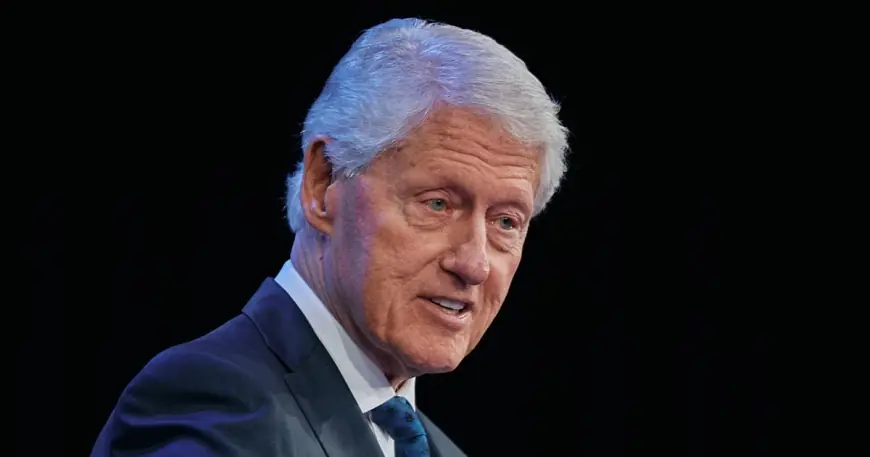
- Bill Clinton subsequently met with the same Republican-led House Oversight Committee in a closed-door deposition and opened by saying he "saw nothing" and "did nothing wrong" related to Jeffrey Epstein.
- Bill Clinton acknowledged knowing and traveling with Epstein but said his wife had "nothing to do with Jeffrey Epstein" and "no memory of even meeting him. " He criticized the panel for making his wife sit for a deposition and wrote that "whether you subpoena 10 people or 10, 000, including her was simply not right. "
How committee leaders, members and timing responded
Committee Chair James Comer framed the moment as historical, noting the rarity of a former president testifying before Congress in more than 40 years and saying no one is being accused of wrongdoing while the committee seeks answers. Comer said he expected the Bill Clinton deposition to take even longer than Hillary Clinton's testimony and that the meetings were taking place in Chappaqua, New York, where the Clintons have a house.
Comer indicated that video and a transcript of Hillary Clinton’s deposition would be made public sometime Friday or Saturday and that the Bill Clinton video and transcript would be released "quickly" afterward, subject to attorney review. The depositions are being recorded on video; Comer has said those recordings will only be released after Clinton's attorneys have a chance to review them.
Where records and politics cross: questions about President Donald Trump
Trump was the subject of some questions during Bill Clinton’s interview. Comer said Bill Clinton stated that Trump "has never said anything to me to make me think he was involved" with Epstein. Rep. Robert Garcia, the committee’s top Democrat, disputed Comer’s summary, saying it was "not an accurate description" and noting Bill Clinton brought up additional discussions with President Trump that a full record would raise new questions about comments Trump has made in the past. Garcia called for the full transcript to be released.
Peripheral notes, logistics and media-adjacent lines from coverage
- The Clinton interview began around 11 a. m. ET, a person familiar with the timing provided that detail; Rep. Anna Paulina Luna said about an hour into the deposition that he was "being very cooperative" and "answering all of our questions. "
- Lawmakers may question Lutnick on Epstein ties, Comer has said.
- Vehicles of the motorcade believed to be carrying former Secretary of State Hillary Clinton arrived at the Chappaqua Performing Arts Center on the day she appeared for a deposition in the House Oversight Committee investigation of Epstein in Chappaqua, New York, on Feb. 26, 2026. Photo by Shannon Stapleton.
- Other items present in published coverage include appeals for reader support such as "Your generous monthly contribution— or whatever you can give—will help secure our future, " a call to "Support trusted journalism and civil dialogue, " and an invitation to subscribe to "Here’s the Deal, " a politics newsletter with Lisa Desjardins; readers were asked to check their inbox to confirm their subscriptions. The organization that published that material described itself as a 501(c) not-for-profit organization. © 1996 - 2026. All Rights Reserved.
The Clintons had filed sworn declarations the prior month stating they had "no personal knowledge" of any "criminal activities" by Jeffrey Epstein or Ghislaine Maxwell. Hillary Clinton has said she has no recollection of ever having met Epstein; the rest of that sentence is unclear in the provided context.
What’s easy to miss is how procedural disputes—photo leaks and attorney review of recordings—are now central to whether the public sees the whole record quickly or after extended delay. The real question now is whether the committee will stick to the projected Friday–Saturday window for Hillary Clinton materials or slow release further while disputes over protocol and summaries continue.
Writer’s aside: the combination of a paused deposition and a former president testifying is an unusual procedural mix; it will test the committee’s rules and members’ patience as transcripts and video become political leverage as much as documentary record.