

























Ian Huntley attack forces immediate questions about prison safety, hospital care and public memory

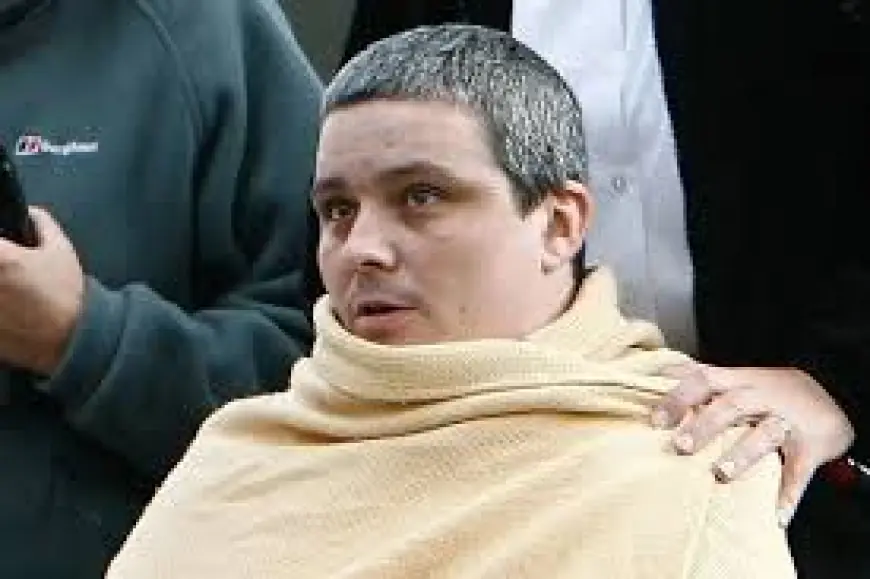
Who feels the impact first is not just the man on the hospital bed: Ian Huntley’s serious condition after a violent prison assault ripples through prison staff, fellow inmates and a public still remembering the 2002 murders. The 52-year-old remains in hospital with significant head trauma and is undergoing treatment, while authorities and the prison system face renewed scrutiny over safety and supervision.
Immediate impact on care and custody: Ian Huntley at the centre of renewed safety concerns
Huntley’s condition—described as serious with significant head trauma—places strain on hospital teams treating him and on prison authorities managing an ongoing investigation. Durham Constabulary noted there was no overnight change in the 52-year-old man’s state; he remains in hospital in a serious condition. Previously, the suspected assailant was said to be a male prisoner in his mid-40s who was being held in detention but had not been arrested at this stage. Detectives are liaising with prison staff while a formal police investigation proceeds.
What happened at the prison workshop and who is suspected
The attack took place at a prison workshop in HMP Frankland, the high-security establishment in County Durham. Huntley was found lying in a pool of blood after being bludgeoned with a makeshift weapon. A triple killer, aged 43 and serving a whole-life term for three murders, is suspected of carrying out the attack; he is understood to have admitted those murders after a week-long spree in October 2020. The suspected victim and attacker identities are part of the ongoing inquiry and remain subject to formal confirmation.
Press front pages and public reaction
Early editions of Friday’s papers ran before the result of the Gorton and Denton by-election and focused heavily on the prison assault. One tabloid headlined "I've done it! I've done it!"—quoting the apparent words shouted by the prisoner who allegedly struck Huntley with a metal pole. Another early account quoted that the attacker got him "when he least expected it, " and some coverage described Huntley as "close to death. " An unrelated front-page invitation asked readers to sign up for a morning newsletter, and a 2026 copyright notice accompanied the pages.
Wider context appearing alongside the attack in early editions
The same early editions mixed the Huntley story with several national items: warnings that hospitals and care homes face what was described as an "impending car crash, " citing analysis that the number of foreign nurses granted entry to Britain has fallen by 93% over three years; an internal audit at a lobbying company connected to a senior political figure found a significant tranche of emails missing, the firm later went into administration and a former ambassador had stopped accessing a particular email address last February; peers were accused of sabotaging assisted-dying legislation, with one critic saying supporters were "attacking Lords who are only doing their job" and commentary that roughly 50 MPs favouring the bill could try alternative parliamentary routes if it failed; and a front-page photograph of a national leader with his teenage daughter at a military parade prompted speculation she is being groomed for eventual leadership.
Quick Q&A
Q: Who was hurt and how serious is it?
The 52-year-old Ian Huntley suffered significant head trauma and is undergoing treatment; his condition was described as serious with no overnight change police.
Q: Who is suspected of the attack?
A 43-year-old triple killer serving a whole-life term for three murders is suspected of attacking Huntley; he had admitted those murders after a week-long spree in October 2020.
Q: Is this the first time Huntley has been attacked in custody?
No. Previous incidents recorded in the prison system include a throat slashing in 2010 that required 21 stitches and a 2005 attack where boiling water was thrown over him at another prison.
Here's the part that matters: the assault reopens questions about supervision inside high-security workshops and how seriously institutions manage inmates who may be targets or threats. The real question now is whether the current investigation will prompt policy or operational changes within the custodial and medical systems.
Timeline rewind: Huntley was convicted for murders committed in August 2002; he was attacked with boiling water in 2005 and slashed across the throat in 2010; the suspected attacker admitted three murders in October 2020.
It’s easy to overlook, but the prison where this occurred is widely known by a nickname that reflects public perception of its population; it houses some of the most dangerous criminals, including murderers and rapists. A brief, candid aside: renewed violence against high-profile prisoners tends to expose operational gaps slowly rather than instantly, so official updates should be followed closely as the inquiry progresses.