











![Scary Movie 6: 'scary movie 6' Spoofs 'Sinners', 'Weapons', and 'A Quiet Place' [Exclusive]](https://www.filmogaz.com/uploads/images/202602/image_430x256_69a1eded49ef8.webp)







Green Party Policies Put Quality of Life Front and Center — Who Feels the Shift First?

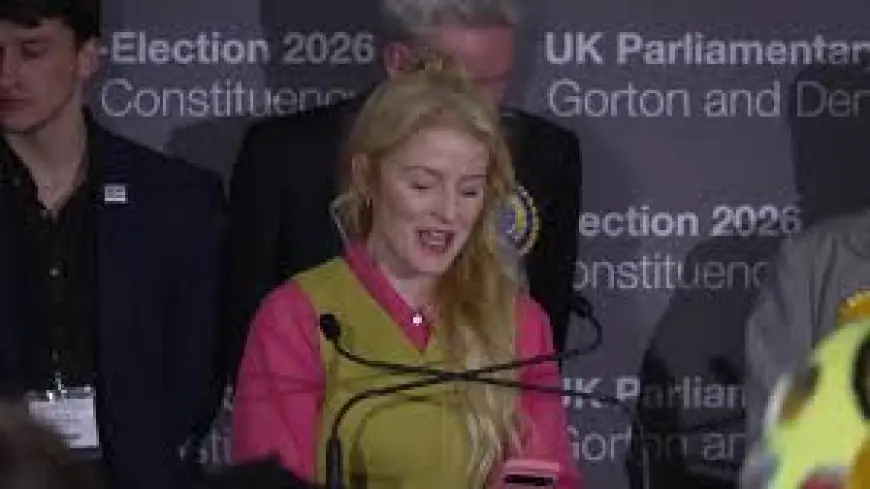
Here’s the part that matters: the debate over Green Party Policies is being framed less as niche environmentalism and more as a direct reshaping of people’s everyday lives. The material in the provided context presents the party as prioritizing sustainable living and social housing, which signals immediate effects on constituents in places like Gorton and Denton, while provoking fierce, theatrical pushback from political commentators.
Impact: Green Party Policies and who feels the change first
The context makes clear that the party’s platform, as presented there, claims to target improvements in quality of life and the environment simultaneously. That combination suggests working-class and vulnerable communities could be the first to see tangible changes—housing initiatives are explicit, and sustainability measures are central to the manifesto material described. Opponents in the same context responded by casting these aims as extreme and harmful to entrenched interests, turning policy proposals into culture-war flashpoints.
Policy claims and the political theatre surrounding them
The provided context describes the Green Party as having recently displaced Labour in Gorton and Denton and as promising a manifesto rooted in sustainable living and constituent needs. Critics within the context characterize the party in hyperbolic terms—calling it "toxic" and likening its agenda to a threat—while a political analyst in the text frames the party’s stated goals as focused on protecting vulnerable people and improving the environment. That analyst’s rhetoric in the context further caricatures the plan as hostile to fossil-fuel interests, using a deliberately grotesque image about billionaires and vegan leather jackboots to underline the satire.
Specific commitments highlighted in the context
One of the clearer, concrete claims preserved in the context is attributed to the MP for Gorton and Denton, Hannah Spencer, who in that material cackles that the party plans to build 150, 000 social homes a year and to achieve net-zero by 2040, concluding with an emphatic line that there is "nothing you can do to stop us. " Those two figures—the annual social homes target and the 2040 net-zero goal—are presented as central policy promises in the passage provided.
Personal side notes included in the same coverage
The context also contains a separate human-interest item: Tom Booker, aged 43, expresses a nostalgic reassessment of his twenties, which he says were marked by existential dread, financial anxiety and relationship turmoil. Booker reflects that, in hindsight, the decade appears better because of less responsibility and physical decline. His friend Martin Bishop predicts that Booker will later be nostalgic about his current situation, bluntly calling his life "utter shit" in the passage provided.
- Immediate implication: the social-housing target and net-zero date make the party’s platform tangible in ways voters can judge locally.
- Groups affected first: residents of constituencies like Gorton and Denton, and vulnerable households tied to housing and environmental policy shifts.
- Political signal to expect next: intensified rhetorical attacks and theatrical commentary as opponents seize the most striking policy numbers.
- Public perception question: whether promises framed as benefits will be read as threats by those who fear economic disruption.
The real question now is whether the tone of the wider conversation—satirical and outraged in the material provided—will obscure the concrete targets that were stated. We're temporarily off Facebook while we explain irony to a f**king algorithm; that opening line in the context underlines the self-aware, mocking voice that colors the description of the party.
It's easy to overlook, but the juxtaposition of bold numerical promises (150, 000 social homes a year; net-zero by 2040) with theatrical denunciations changes the terms of debate: numbers invite scrutiny, mockery shapes headlines. Expect the public exchange to hinge on whether voters focus on measurable commitments or on the caricatures used by critics.
Writer's aside: the coverage provided leans heavily on irony and hyperbole, which makes parsing factual commitments harder than it needs to be. That tonal choice will shape both how supporters sell the platform and how opponents mobilize fear.