
























Satellite Imagery Reveals Damage at Votkinsk After Long-Range Ukrainian Strike

Satellite imagery released in the wake of a long-range Ukrainian strike shows extensive damage to a Russian missile plant in Votkinsk, raising fresh questions about weapons production, battlefield reach and verification of high-profile attacks. The images and official statements matter because they intersect battlefield claims, industrial vulnerability and a broader military posture in the region.
Satellite Imagery Shows Damage at Votkinsk
Open-source groups published satellite imagery that appears to show a gaping hole in the roof of one workshop at the Votkinsk plant, with visible signs of fire damage. The imagery has been circulated alongside verification work from live verification journalists including Thomas Copeland and contributors Richard Irvine-Brown and Alex Murray, who highlighted the images as central to understanding the strike's impact. The plant in Votkinsk is identified in reporting as producing Iskander ballistic missiles and other missiles including the Oreshnik and the submarine-launched Bulava.
What Ukrainian Officials Say About the Strike
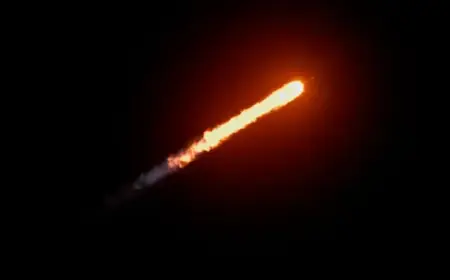
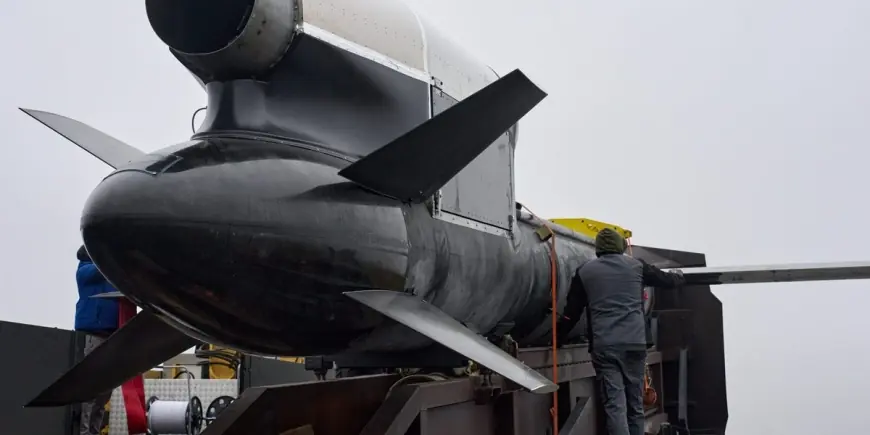
Ukrainian President Volodymyr Zelenskyy stated that the attack involved locally made Flamingo cruise missiles and described the strikes as precise, noting that the missiles reached targets at a distance he placed at 1, 400 kilometers. Other Ukrainian statements described a range figure of nearly 900 miles for the Flamingo in this operation. Zelenskyy declined to disclose the number of Flamingo missiles used; he said some were intercepted by Russian air defenses and some were not, and he emphasized that all missiles that were launched reached their targets.
Flamingo Missiles: Range, Preparation and Production
The Flamingo missile has been compared by Kyiv to larger Western cruise missiles, with claims that it is cheaper per unit and can reach longer distances—figures cited in reporting include an asserted maximum range of 1, 900 miles. The ground-launched variant requires up to 40 minutes to prepare for launch. Ukraine is working to scale production: a manufacturer named FirePoint was said to hope for a production rate of up to seven Flamingos per day by the end of 2025, though manufacturing has reportedly been disrupted by prior strikes and will depend on funding and component availability.
Local and Russian Responses
Russian regional authorities have not issued a full confirmation that the Votkinsk factory was struck. Alexander Brechalov, governor of the Udmurt Republic, said that an unspecified facility in the region had been attacked and that three people were sent to hospital; he also warned of drone threats over the area. Russian defense statements noted the interception of incoming threats in the same reporting cycle, with a claim that 77 Ukrainian drones were shot down on Saturday, while not mentioning Ukrainian missile threats.
Wider Military Movements and the Night of February 21
The strike on Votkinsk was reported to have occurred on the night of February 21, part of a larger wave when Kyiv launched a substantial number of drones and missiles toward Russian territory in what was described as one of the largest long-range attacks to date. At the same time, naval and air activity was highlighted elsewhere: the aircraft carrier USS Gerald R Ford was observed leaving port in Greece and heading toward the eastern Mediterranean as part of a military build-up near Iran, and aviation enthusiasts filmed three F-22 fighter jets taking off from a Suffolk air base and heading toward Israel, an activity an expert suggested could contribute to an air dominance posture in the region.
Verification Challenges, Misinformation and AI
Verification teams are using satellite imagery, open-source intelligence and data analysis to assess the strike's effects while also highlighting the information environment's risks. Separately, artificial intelligence has been used to amplify a false claim that a Mexican cartel captured a woman who helped authorities track that cartel's leader, illustrating how advanced tools can complicate efforts to establish factual timelines around high-profile events. The verification work emphasized that some attacks are "significant but not critical" in their immediate strategic effect, an expert assessment invoked in coverage of the Votkinsk damage.
Taken together, the satellite imagery, statements from leaders and local officials, and concurrent military movements underscore a tense and evolving security picture in which production lines, long-range strike capability and information verification are all active fronts. Details remain subject to further confirmation and technical analysis as more imagery and on-the-ground reporting emerge.