

























Thieves Target Valuable Pokémon Cards as Franchise Turns 30

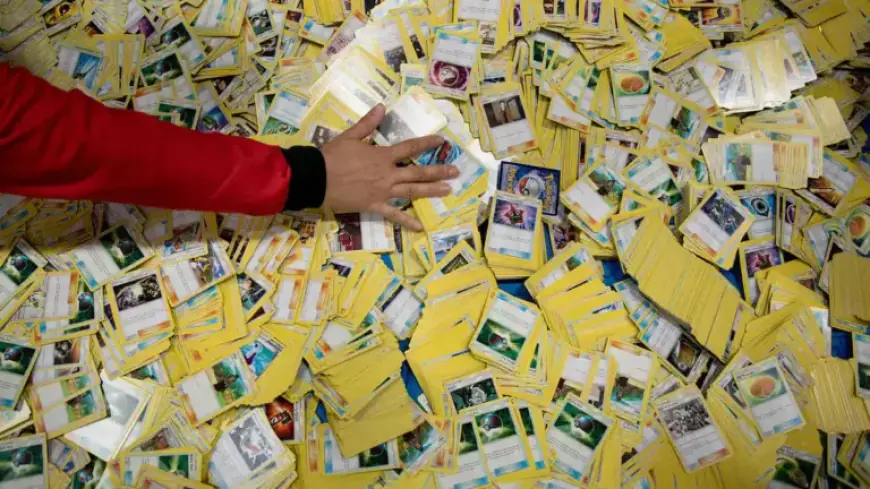
In a shocking incident this January, masked thieves stole over $100,000 worth of Pokémon cards from a store in New York City. The robbery occurred during a gathering of Pokémon enthusiasts, turning a friendly meetup into a terrifying crime scene.
Valuable Pokémon Cards Attract Criminal Activity
This theft coincides with the 30th anniversary of the iconic franchise, which has seen a significant resurgence in the value of its collectibles. Pokémon cards featuring beloved characters like Pikachu, Charizard, and Bulbasaur have surged in popularity, driving prices skyward.
In February, influencer Logan Paul famously auctioned a rare Pikachu card for a record-breaking $16.5 million. This highlights how seemingly simple cards have transformed into valuable assets, attracting serious collectors and investors alike.
Growing Demand and Security Concerns
Nick Jarman, the founder of a card trading association, emphasized that the demand for these collectibles is high and continuous. He remarked on the “wide ecosystem” for reselling stolen cards through online platforms, conventions, and informal networks. This situation makes it easy for thieves to liquidate stolen cards quickly, often in different states.
Unfortunately, the New York incident is part of a disturbing trend. In California this month, criminals stole approximately $180,000 worth of Pokémon cards by drilling through a store wall. Duy Pham, the owner of the targeted store, stated that his shop had been robbed twice in under a year, underscoring how collectors have become prime targets.
Global Reach of Criminal Activity
- Theft incidents have been reported in Japan, the UK, Canada, and Australia.
- Some crimes appear to be opportunistic, while others suggest prior reconnaissance of the stores.
- Many retailers struggle to enhance their security measures due to financial constraints.
As the Pokémon franchise continues to grow, more than 1,000 different characters have emerged, with new generations introduced every few years. The market for collecting these cards is becoming increasingly lucrative, with platforms like Collectr offering tools for portfolio management. However, not everyone views the trend positively.
Grace Klich, a Pokémon influencer in the United States, noted her frustration, saying, “When local shops are being robbed and people are held at gunpoint for cards, it’s no longer fun or cute.” This sentiment reflects a growing concern among enthusiasts about the dark turn the collectible market is taking.