














Pokemon Day: Fans on what the series means as it turns 30 (pokemon day)

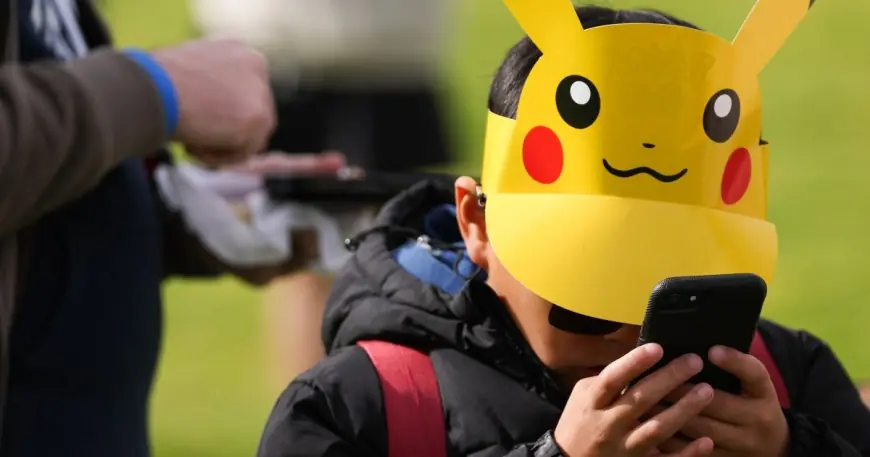
On pokemon day fans and collectors are reflecting on three decades that began when Pocket Monsters launched in Japan. The milestone has prompted conversations about how a Game Boy release in 1996 grew into a global phenomenon spanning TV, movies, trading cards and mobile games.
Pokemon Day: Fans Share Reactions
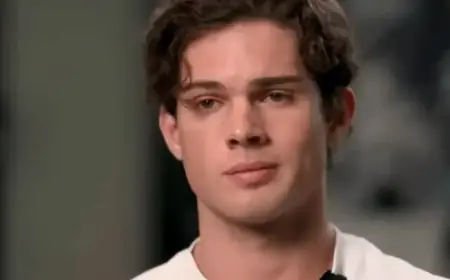
Fans were asked why they love the series, why it appeals to so many people, and why it continues to prove so popular. Benson Lu, 26, says his life revolves around Pokémon: he has played the mobile game Pokémon Go every day for a decade, watches the animated show every week, goes to the local card shop in his Los Angeles suburb to play the trading card game every week, and has a collection of cards worth more than $70, 000. “I don’t remember when was the last day I did not think about Pokémon at all, ” he said.
How it began in 1996
Pokémon began when the first games were released on Nintendo's Game Boy handheld in 1996 as Pokémon Red and Pokémon Green in Japan. They were not expected to be a huge hit, but strong word-of-mouth and the console's low price helped the games sell more than one million copies in their first year on sale. From that start, the franchise expanded to an animated TV series, movies and a spin-off Trading Card Game (TCG).
The trading card frenzy
The TCG helped create a craze so large the press called it "Pokémania, " and schools even began to ban children from bringing the cards to the playground. When the Covid-19 pandemic hit, there was an explosion in Pokémon-related content and Pokémon TCG in particular saw a big increase in interest. Some collectors prize cards as investments: social media star Logan Paul sold a card for a record $16. 5 million, and he had bought a PSA Grade 10 Pikachu Illustrator card a few months prior for $5. 3 million, later wearing the card on a chain around his neck in videos. The Pikachu Illustrator card features a Pikachu holding a pen and feather sweeper.
Collectors, values and crimes
The fervor around cards has also driven crime and high-value thefts. In Southern California, break-ins at trading card stores have amounted to hundreds of thousands of dollars of losses and some collectors have been robbed at gunpoint. Last Tuesday thieves stole more than $80, 000 of Pokémon cards from Do-We Collectibles in Anaheim — the second time that store has been targeted. Other stores around Los Angeles and in New York have been hit by Pokémon thieves too. Duy Pham, owner of the Anaheim store, said the financial incentive for robbers and scalpers means “the hobby will never be the same. ” “It’s rougher for collectors and players, ” Pham said. “It’s hard for us to get anything. ”
Grading, prices and personal stories
Companies such as Beckett Grading Services and Professional Sports Authenticator authenticate and grade the quality of Pokémon cards on a scale of 1-10, with 10 being pristine mint condition and fetching the highest prices. Collectors can pay retail for a standard pack of randomized Pokémon cards — around $5 for 10 cards — or buy specific cards secondhand at much higher prices. Aiden Zeng, 17, described the risk: he spent $1, 000 on packs that were only valued at $60 on the resale market. Zeng said his fandom began in elementary school with character guidebooks and that he tried to collect every single type of card for his favorite, Black Kyurem. “I memorized every single Pokémon’s specific move set, what region they come from, some of the lore behind it, ” Zeng said.
Why it endures for many
Observers point to character design and flexibility of play. Heather Cole, teaching assistant professor of game design and interactive media at West Virginia University, said, “I think the longevity of it has to do with the characters and world-building it does with the characters. ” Pokémon streamer Josh Rosenberg, better known as Jrose11, highlighted accessibility and variety of play styles: “I think what's magical about Pokemon is that not only do you have thousands of creatures, all of whom are memorable and well-designed, but you have a game that can be played in so many different ways, and none of those ways are incorrect, ” he says. Drew Stephenson, a 17-year-old European Pokémon TCG finalist and an expert at card battles, said he rarely plays the video games these days but agreed that “there is a huge amount to do” for fans.
Mobile game and global reach
The brand sparked a second global trend when the mobile phone game Pokémon GO launched in 2016, using a device's GPS and camera to place monsters in the real world. That app has since been downloaded more than a billion times. Today the franchise is reportedly the highest-grossing media franchise in history and continues to reach new generations of fans across the world by offering different ways to play and collect.
On pokemon day, reflections from players, collectors and experts underline a common thread: a blend of memorable characters, multiple entry points for play, and an ecosystem that now ranges from game cartridges and television to billion-download mobile apps and multimillion-dollar trading cards.