
























By Election Shock in Gorton and Denton Rewrites Local Power — Who Feels the Shift First

The Gorton and Denton by election has immediate winners and a long list of shaken stakeholders: local voters who have not seen Labour defeated since 1931; a Green Party that now says it can win beyond its traditional targets; and party leaders whose authority and narratives are under pressure. This is a local result with national ripple effects — and the groups who feel it first are candidates, activists and voters inside the constituency.
Immediate impact: parties, voters and political momentum
Here’s the part that matters: the Green victory ripped up expectations and altered the competitive map in Gorton and Denton. The Greens’ leadership framed the outcome as seismic, Labour’s leader called the performance very disappointing and promised to continue the fight, and Reform and Conservatives both described the result as evidence of momentum on their sides. Local activists, canvass teams and tactical voters now face a new arithmetic for future contests in the area.
By Election numbers, history and what changed
This contest ended a run dating back to 1931 when Labour last lost in the area. At the 2024 general election Labour had secured 50. 8% of the vote with 18, 555 ballots for Andrew Gwynne; the Green Party had 10. 6% and placed third. In the by election the Greens captured 14, 980 votes and recorded a 28-point jump in share, while Labour slipped into third place behind Reform and suffered a 25-point fall in its vote share. The scale of those swings is what turned a predicted three-way tussle into a historic first for the Greens in this kind of parliamentary contest.
Reactions, claims and contested points inside the count
Senior figures reacted sharply. The Green Party leader described the result as seismic and the new Green MP, a 34-year-old plumber, framed the outcome as proof that the party can win beyond previous targets. Labour’s frontbench termed the outcome very disappointing and vowed to keep fighting. Labour’s former deputy prime minister called it a wake-up call. The Reform UK chair said his party was absolutely thrilled by its performance. A senior Conservative commentator declared that Labour’s loss showed the party leader’s premiership was finished, and singled out the Conservative candidate in the seat as the most sensible choice on offer.
Coverage of the contest was edited by Dulcie Lee, Sam Hancock and Jack Burgess, with political editor Chris Mason in Manchester. That editorial team noted the match was widely cast as a three-way contest between Labour, Reform and the Greens.
Process questions and observer claims
Greater Manchester Police stated they received no reports of electoral offences connected to the by election. That police position follows observers from an election monitoring group who said their teams saw concerningly high levels of so-called family voting at polling stations in the constituency. The tension between those statements leaves some procedural questions unresolved in local debate.
Wider patterns and what this says about the voting system
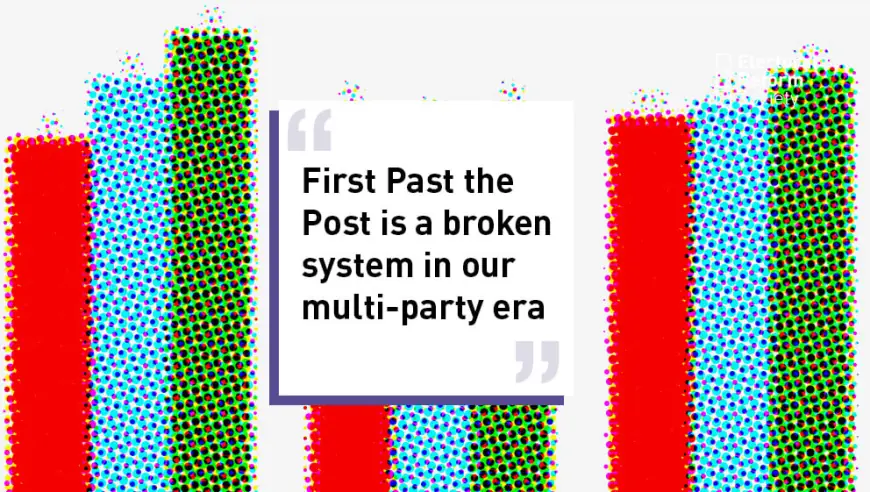
Commentators have been flagging how multi-party contests interact with First Past The Post. Critics point to the 2024 general election as an example of disproportionality — Labour won a large share of MPs from a smaller share of votes — and argue that where three or more parties compete strongly, many ballots can effectively be sidelined. Campaigns in Gorton and Denton featured tactical appeals urging voters to choose between parties seen as the only option to stop another, and that framing intensified the contest dynamics.
The by election was seen as an opportunity months earlier for the Mayor of Greater Manchester to attempt a Westminster return, but that bid did not materialise after the prime minister leaned on internal party rules that blocked that candidacy; discussions about the mayor’s ambitions had been present in political conversation since at least last summer. This result is the second Westminster by-election since the general election. The first was won by Reform UK in Runcorn and Helsby in Cheshire last May, narrowly beating Labour; that victory was counted as the tenth consecutive Westminster by-election where a different party took a seat from the incumbent party.
The contest has also revived memories of a by-election in Caerphilly where Plaid Cymru persuaded many voters unwilling to back Reform to coalesce behind a single alternative. If anti-Reform votes split more evenly in future contests, observers warn, similar outcomes could enable smaller surges to succeed.
The bigger signal here is that long-standing local loyalties can be upended quickly when multiple parties converge and tactical narratives take hold.
Who feels this most? Local residents choosing a new MP, campaign teams recalibrating targets, and national leaders counting psychological wins and losses. Recent coverage framed the Greens’ win as their first-ever parliamentary by-election victory if confirmed as such; that label will shape party messaging going forward.
Writer’s aside: The real test will be whether these shifts stick in the next general contest or settle back once national campaigning resumes.