






















Customers complained, so Burger King Whopper Changes add premium bun, box and mayo in first update in nearly a decade

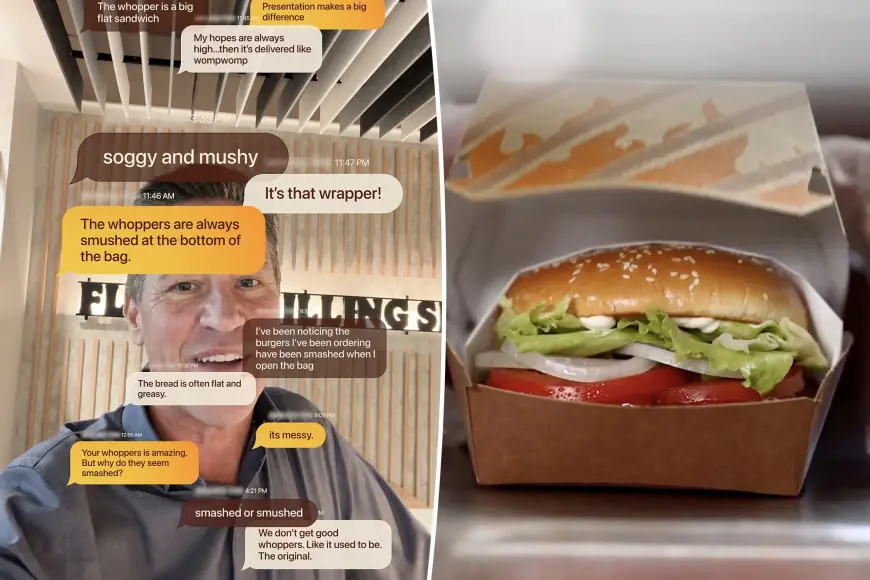
The Burger King Whopper Changes respond directly to customer complaints and aim to affect two groups first: diners who wanted a less‑smashed, higher‑quality sandwich experience and franchisees expected to shoulder rollout costs. The refresh — announced on Thursday — focuses on a more premium bun, a creamier mayo, and boxed packaging intended to stop the Whopper from arriving crushed. The chain says this is its first update to the core sandwich in nearly a decade.
Who feels the impact first: diners wanting a better bite, and the franchisees paying to deliver it
Here’s the part that matters: customers who had been complaining about a flattened Whopper are the explicit drivers of these changes, and franchisees are the other immediate audience because the new Whopper will cost each franchisee an extra $4, 000 to implement. Management cautioned managers against raising menu prices aggressively, noting that higher prices could drive away customers already exhausted by inflation. The company is betting the premium ingredients and packaging will generate additional sales that justify the investment.
Burger King Whopper Changes — what’s different in recipe and packaging
The overhaul centers on three visible swaps: a “more premium, better tasting bun, ” a creamier, better‑tasting mayonnaise replacing the current condiment, and a boxed package that replaces the paper wrapper criticized for crushing the sandwich. The Whopper continues to be topped with freshly cut onions and tomatoes, crisp lettuce and tangy pickles. The flame‑grilled patty remains the same, and the sandwich is still made with more than a quarter‑pound of beef and said to be free of artificial colors, flavors and preservatives. The boxed packaging is described as intended "to ensure it makes it to Guests exactly the way it left the kitchen. "
Operations, feedback and a new direct line to leadership
Leadership framed the move as possible because the company spent recent years strengthening operations and modernizing restaurants to create a more consistent foundation across the system. That groundwork, executives said, made it possible to "elevate" the core menu without reinventing the Whopper. A new initiative launched earlier this month lets guests call or text the company president to share ideas and request improvements, a direct feedback channel that influenced the changes.
- Premium bun and creamier mayo added to the Whopper.
- Packaging swaps paper wrapper for a box to prevent a crushed sandwich.
- Patty formula unchanged; still more than a quarter‑pound beef and free of artificial colors, flavors and preservatives.
- Rollout carries a $4, 000 cost per franchisee; management warns against steep price increases for customers.
Business tradeoffs and the lift to sales the chain is hoping for
Management is positioning the tweaks as an elevation rather than a reinvention: one executive used a metaphor of putting the "famous iconic burger in a tuxedo instead of a leisure suit. " Franchisees who requested a creamier mayonnaise were explicitly noted as contributors to the change. The company says it is being careful with price decisions because larger increases could repel price‑sensitive customers. The expectation is that the premium presentation and taste upgrades will stimulate additional sales, but that outcome is not guaranteed in the provided context.
The Whopper’s origin and a reminder of its place on the menu
The Whopper was founded in 1956 by co‑founder James McLamore. It was inspired when David Edgerton and James McLamore noticed a popular drive‑in advertising a large hamburger built around a quarter‑pound patty on a big five‑inch bun with lettuce, tomatoes, mayonnaise, pickles, onions and ketchup. The two decided their Miami‑area stores would benefit from a larger burger and named it the "Whopper" to convey its size. McLamore suggested putting signs reading "Home Of The Whoppe" under the Burger King name to indicate the new product was the specialty of the house.
If you’re wondering why this keeps coming up, the answer is straightforward: persistent customer complaints about a smushed sandwich pushed leadership to act. The real question now is how quickly franchisees will adopt the changes and whether customers respond by returning more often.
It’s easy to overlook, but the initiative to let Guests call or text the company president is a notable operational shift — it formalizes customer input into product decisions in a way that few chains do. That pathway and the modest price sensitivity warning are the clearest signals in the announcement about how the company plans to balance quality upgrades with customer affordability.
A quick editor’s aside: the decision to box the sandwich speaks to a simple truth about fast food — presentation affects perceived quality as much as recipe tweaks, and fixing the wrapper was a low‑complexity, visible change that addresses the core complaint.